
Click the image to continue
Allergy patch testing at Canadian clinics typically costs between $150 and $400 per session. This article is for patients and families comparing allergy care options and costs in Canada, including what is included in the price, potential extra fees, and how to choose a clinic.
If you or your child has suspected contact dermatitis, eczema, or unexplained skin rashes, a patch test can help identify triggers. Knowing the likely out-of-pocket cost and what to expect will help you budget and plan your care.
What is an allergy patch test?
An allergy patch test is a specialized diagnostic tool used by dermatologists and allergists to identify substances that cause delayed-type hypersensitivity reactions on the skin. Unlike immediate allergic reactions (such as those caused by foods or pollen), delayed reactions can take days to appear and are often responsible for chronic conditions like eczema, contact dermatitis, or persistent skin rashes. Patch testing is the gold standard for diagnosing allergic contact dermatitis, which is common in both adults and children in Canada.
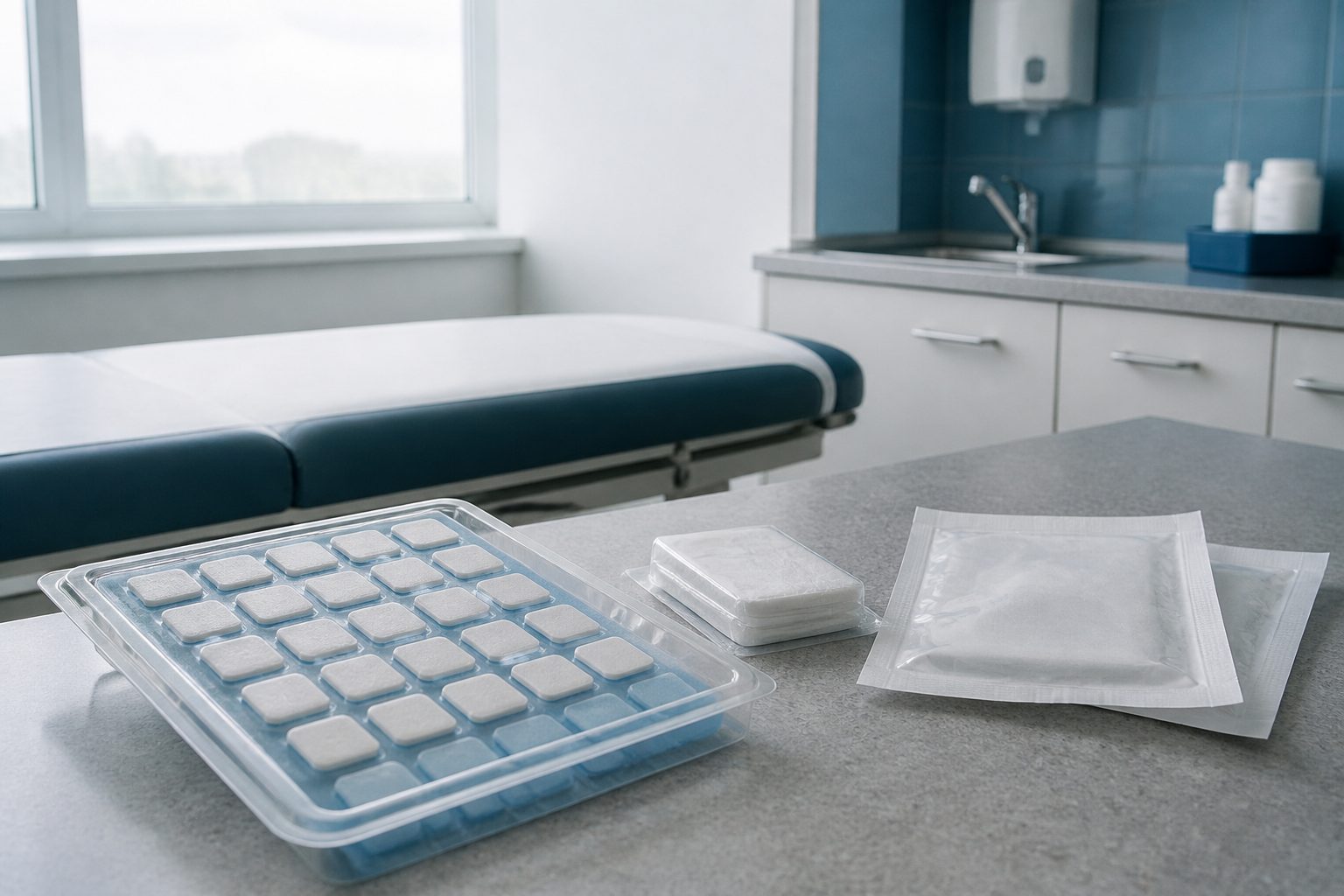
The process involves placing small amounts of potential allergens—substances suspected of causing your skin problems—onto adhesive patches. These patches are then applied to your back, typically in rows. The test substances may include metals (like nickel or cobalt), preservatives, fragrance mixes, dyes, rubber accelerators, and other chemicals commonly found in Canadian workplaces, homes, and personal care products. The patches remain on your skin for 48 hours, during which you must avoid getting them wet or dislodged. After removal, your skin is checked for signs of a reaction, such as redness, swelling, or blistering, over the next several days (usually up to 96 hours from the initial application).
This method is different from skin prick or scratch tests, which are used to diagnose immediate allergies (such as hay fever, pet dander, or certain food allergies). Patch testing is specifically designed to detect delayed contact allergies that might not show up on other types of allergy tests. The results can help guide treatment, such as recommending avoidance strategies, changes in skin care routines, or further medical management if you have occupational or chronic skin conditions.
Patch tests are widely available at dermatology clinics across Canada, but the specific allergens used may vary depending on regional exposures and patient history. Always consult with a specialist to ensure the most relevant substances are included in your test panel.
Average allergy patch test prices in Canada
The cost of an allergy patch test in Canada can vary significantly depending on several factors, including the clinic’s location, the type of clinic (private versus hospital-based), and the specific services included in the package. On average, private dermatology and allergy clinics charge anywhere from $150 to $400 for a standard patch test panel. Here’s a breakdown of what influences these prices and what you should consider before booking:
- Number of allergens tested: The standard panel usually includes 20–40 common allergens, but if you need additional or custom substances tested (such as workplace chemicals or personal care products), expect to pay extra—often $10–$30 per additional allergen.
- Clinic location: Prices tend to be higher in major urban centers like Toronto, Vancouver, and Montreal due to higher overhead costs and greater demand. Rural or smaller city clinics may offer slightly lower rates, but availability could be limited.
- Included services: Some clinics offer comprehensive packages that combine the initial consultation, patch application and removal, result interpretation, and a follow-up visit for a single fee. Others may charge separately for each step, especially for extended consultations or written reports.
- Public vs. private coverage: In provinces like Ontario, British Columbia, and Quebec, medically necessary patch testing ordered by a specialist may be partially or fully covered by provincial health insurance. However, coverage varies by province and is often limited to standard allergens. If you are referred by a family doctor to a hospital-based clinic, you may pay little or nothing out-of-pocket for the basic test, but custom testing and expedited appointments are usually not covered.
- Expedited appointments and extras: Some clinics charge premium fees for urgent or after-hours appointments, same-week testing, or additional documentation for employers or insurance companies.
It’s important to confirm all costs with the clinic before your appointment. Ask for a written quote and clarify which services are included. If you have private insurance, check your policy to see if patch testing is reimbursable. In all cases, be prepared for potential out-of-pocket expenses, especially if you require testing for non-standard allergens or need quick access to a specialist.
What is included in the patch test price?
When you pay for a patch test at a Canadian clinic, the base price generally covers a specific set of services and materials, but it’s important to understand exactly what you’re getting for your money. Typically, the standard fee includes:
- Application of a standard allergen panel: Most clinics use a pre-selected set of 20–40 common allergens, which may include substances like nickel, fragrances, preservatives, rubber chemicals, and other everyday contact allergens relevant in Canada.
- Initial consultation: This first appointment with a dermatologist or allergist involves reviewing your medical and exposure history, discussing symptoms, and determining which allergens are most appropriate to test based on your background and concerns.
- Patches placement and removal: The cost generally covers the application of the patches (usually on your back), as well as their removal, which happens during a follow-up visit 48 hours later. This means you are paying for at least two in-person appointments.
- Reading and interpretation of results: After the patches are removed, a specialist examines your skin for any reactions, interprets the findings, and documents the results. Some clinics schedule a second reading 24–48 hours after patch removal to check for delayed reactions.
Some clinics may also include a brief follow-up appointment within the base price to discuss your results, explain what they mean, and provide recommendations for avoidance or further treatment. However, it’s common for clinics to charge separately for extended follow-up visits, especially if you have complex results or need additional counseling. If you require testing for specific, non-standard substances (such as workplace chemicals, personal care products, or custom allergens you bring from home), expect extra fees. These custom tests often require additional preparation and materials, which are not included in the standard panel price.
Always ask your clinic for a detailed breakdown of what is covered in the quoted price. Inquire about additional costs for extra allergens, extended consultations, or written reports for employers or insurance. This way, you can avoid surprises and budget accurately for your patch test experience.
Patch test cost comparison: Canada and other countries
| Country | Typical patch test cost (USD) | Local currency | What’s included |
|---|---|---|---|
| Canada | $150–$400 | CAD 200–540 | Standard panel, two visits, basic report |
| United States | $250–$800 | USD | Panel, consultation, often separate follow-up fee |
| United Kingdom | $220–$500 | £170–£390 | Panel, NHS may cover if referred; private includes consult |
| India | $35–$120 | ₹3,000–₹10,000 | Panel, two visits, usually not covered by insurance |
| Philippines | $40–$130 | ₱2,200–₱7,500 | Panel, two visits, consult extra |
| Australia | $200–$500 | AUD 300–750 | Panel, consult, Medicare may cover part |
| Germany | $180–$400 | €170–€370 | Panel, consult, insurance may reimburse |
| Singapore | $150–$350 | S$200–S$470 | Panel, consult, follow-up extra |
What is not included: additional and hidden costs
While most patch test price quotes cover the basics, there are several potential extra costs to keep in mind:
- Custom allergens: If you bring personal care products, workplace substances, or rare chemicals for testing, clinics may charge $15–$40 (CAD 20–55) per extra item.
- Extended panels: Testing more than the standard 20–40 allergens may add $50–$150 (CAD 70–200) to your bill.
- Follow-up visits: Some clinics charge separately for a post-test consultation or for ongoing management.
- Specialist referral: If your family doctor refers you to a dermatologist or allergist, the initial consult may be covered by provincial insurance, but the test itself may not be.
- Travel and time off: Patch testing requires three clinic visits over one week. Plan for time off work or school and possible travel costs.
Always ask for a detailed price breakdown before booking. Clarify which items are included, and request a written estimate.
How to compare clinics and prices
When choosing a clinic for patch testing, consider the following factors beyond just the base price:
- Accreditation: Dermatology clinics and allergy centers in Canada are regulated and often affiliated with hospitals or university medical centers. Accreditation by the College of Physicians and Surgeons of the province is standard.
- Specialist experience: Look for clinics with dermatologists or allergists experienced in diagnosing contact dermatitis and managing complex allergy cases.
- Panel size and selection: Ask how many allergens are included in the standard panel, and whether custom testing is available for your specific exposures.
- Patient support: Some clinics have dedicated staff for international patients, offer translation services, or provide written reports for workplace or school accommodations.
- Cost transparency: Choose clinics that provide clear, upfront pricing and explain all potential fees.
Reading independent patient reviews can also help you gauge reliability and care quality.
Ways to save on patch testing in Canada
For Canadian residents, the first step is to check if your provincial health plan will cover any part of the cost. In some provinces, patch testing is publicly funded if ordered by a dermatologist for a confirmed or strongly suspected allergic skin condition. If you are referred by your family doctor, ask the specialist’s office to clarify coverage when you book.
If you must pay out-of-pocket, consider:
- Booking at a hospital-based clinic, which may have lower fees than private clinics
- Asking if group or package discounts are available for multiple family members
- Checking if your employer or private insurance will reimburse part of the cost (for occupational exposures)
- Comparing several clinics and asking for written quotes
Some teaching hospitals and university clinics offer reduced rates for patients willing to participate in student training or research programs. Availability varies by province and city.
What to expect during the patch test process
The patch test process in Canada typically involves a series of carefully timed appointments over the course of about one week. Understanding what to expect at each stage can help you prepare and ensure accurate results:
- Initial consultation: Your first visit is a thorough assessment with a dermatologist or allergist. The specialist will take a detailed medical and exposure history, examine your skin, and discuss your symptoms. Based on this information, they’ll select which allergens to include in your test panel—often a mix of common substances and, if relevant, custom allergens from your home or workplace. This is also the time to ask questions about the process, costs, and aftercare.
- Patch application: During your second appointment, the nurse or doctor will apply adhesive patches containing small amounts of each test substance to your back. This typically takes 20–40 minutes, depending on the number of allergens. The patches must stay in place for 48 hours. During this period, you’ll be instructed to keep your back dry (no showers or swimming) and avoid activities that could cause sweating or patch displacement, such as heavy exercise or wearing tight clothing.
- Patches removed and first reading: After 48 hours, you return to the clinic for patch removal. The specialist performs an initial reading, checking for early signs of skin reactions (such as redness, swelling, or small blisters) at each test site. They’ll record the findings and may take photographs for your medical record.
- Final reading: A third appointment is scheduled 24–48 hours after patch removal (typically on day 4 or 5). This visit is crucial for detecting delayed reactions, which are common in contact allergies. The specialist examines your back again, notes any new or evolving reactions, and provides a final interpretation of the results.
After the final reading, your doctor will discuss the findings with you, explaining which substances caused reactions and what that means for your daily life. You’ll usually receive a written summary, including avoidance strategies and recommendations for alternative products. In some cases, further testing or referrals may be suggested if the results are inconclusive or if additional allergens need to be investigated. If you have questions or experience severe reactions after leaving the clinic, contact your healthcare provider promptly. Following the aftercare instructions is essential for both your comfort and the accuracy of your results.
Tips for planning your patch test
Preparing for an allergy patch test in Canada involves more than just booking an appointment. Because the process requires multiple visits over a period of up to a week, careful planning can save you time, stress, and money. Here are practical steps and considerations to help you get the most from your patch test:
- Schedule wisely: The patch test process typically involves three to four visits over 4–7 days. Make sure your calendar is clear for these dates, and avoid booking during periods when you might need to travel, swim, or participate in sports or activities that could dislodge the patches.
- Clothing choices: Wear loose, comfortable clothing during the testing period. Tight clothes or heavy backpacks can rub against the patches, potentially affecting the results or causing them to fall off. In colder Canadian provinces, plan for layers that can be easily adjusted.
- Skin care precautions: Follow all instructions from your clinic regarding bathing and skin care. You will likely be told to keep your back dry and avoid applying lotions, creams, or topical medications to the test area. If you have questions about what is allowed, call the clinic in advance.
- Managing reactions: Mild itching and redness are common, but if you experience severe discomfort, swelling, or blistering, contact the clinic immediately. Many clinics provide an after-hours contact number for urgent concerns.
- Travel considerations: If you are coming from another province or outside Canada, coordinate with the clinic well ahead of time. Some allergens may need to be ordered in advance, especially if you require testing for less common substances. Confirm all appointment dates and ask about local accommodation if you need to stay overnight.
- Bring relevant information: Prepare a list of all personal care products, medications, and workplace exposures you suspect may be causing your symptoms. Bring samples or ingredient lists if possible—this helps the specialist decide if custom testing is needed, which may affect both the process and the cost.
- Insurance and payment: Check with your provincial health plan and your private insurance (if applicable) to see if any costs can be reimbursed. Many clinics require payment upfront for private tests, so clarify payment methods and receipts for insurance claims.
By taking these steps, you can ensure a smoother patch test process, improve the accuracy of your results, and avoid unnecessary delays or expenses.
Frequently asked questions
Is allergy patch testing covered by Canadian health insurance?
Coverage varies by province and is often limited to cases where the test is medically necessary and ordered by a specialist. Some provinces cover the test itself, while others only cover the consultation. Check with your provincial health plan and the clinic for details.
How many allergens are tested in a standard patch test panel?
Most Canadian clinics use standard panels with 20–40 common contact allergens, such as metals, fragrances, preservatives, and rubber chemicals. Additional allergens can usually be added for an extra fee.
Are there risks or side effects to patch testing?
Patch testing is generally safe. Some patients may experience mild irritation, redness, or itching at test sites. Rarely, strong allergic reactions or infection can occur. Your doctor will discuss risks and how to care for your skin during the test.
How long does it take to get patch test results?
The patch test process takes about one week, with results available after the final reading. Your doctor will explain the findings and provide a report with recommendations for managing your allergies.
Can I request testing for specific products or chemicals?
Yes, most clinics can test personal care products, workplace substances, or custom allergens if you bring samples. There is usually an additional fee for each extra item tested. Discuss your needs with the clinic in advance.
Related guides
Disclaimer: Prices in this article are indicative and may vary by clinic, province, and individual case. Always request a written quote and consult a qualified doctor for diagnosis and treatment.