
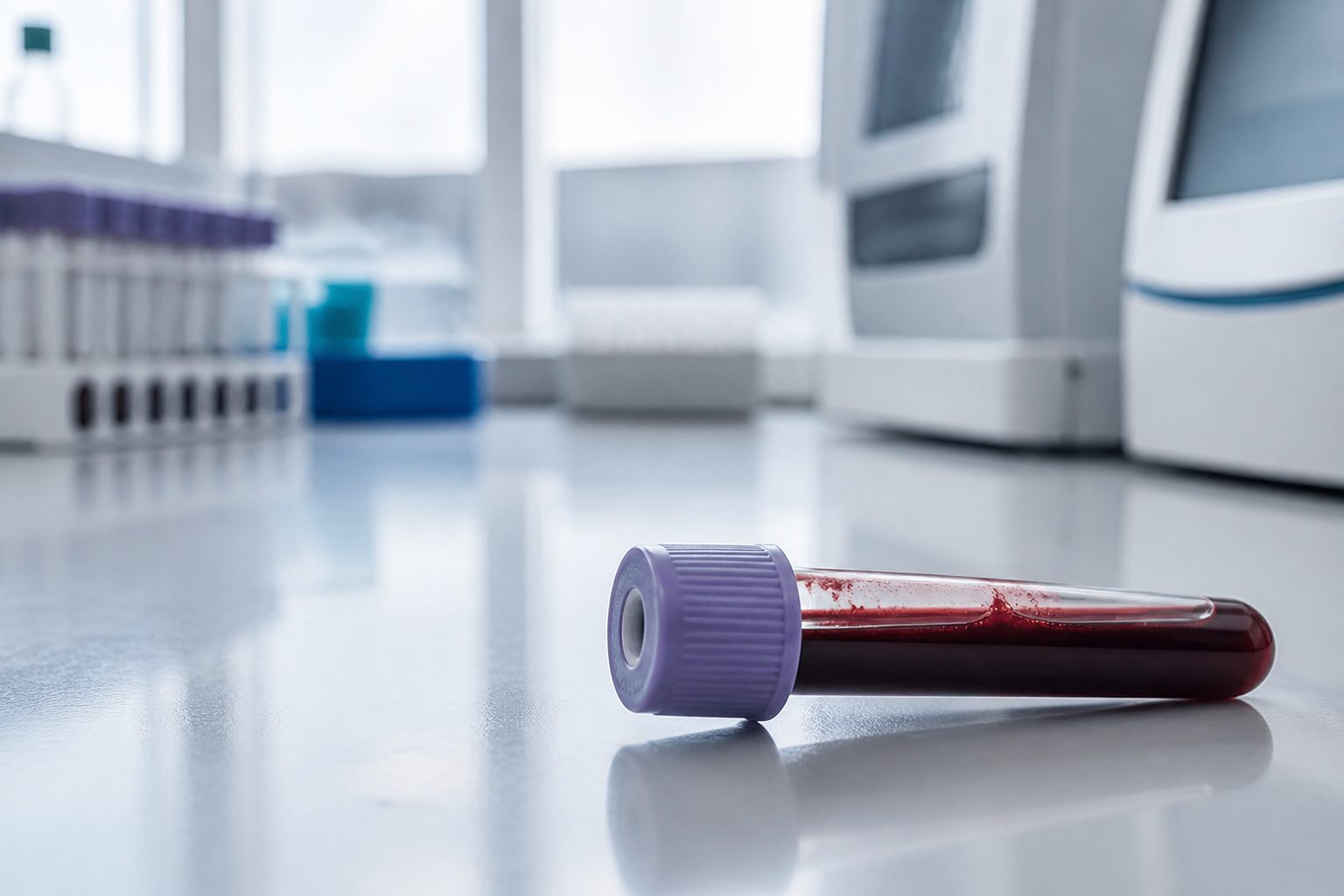
Allergy blood tests in the Netherlands are widely available at clinics, hospitals, and specialized diagnostic labs. Most patients pay $80-$220 (around €75-€200), depending on the number of allergens tested and whether public or private healthcare is used.
This guide is for international and local patients seeking clear, up-to-date information about allergy blood test pricing, what’s included, insurance coverage, and how the Dutch system compares to other countries.
What is an allergy blood test?
An allergy blood test is a laboratory procedure designed to detect specific antibodies—most commonly immunoglobulin E (IgE)—in your bloodstream that are produced in response to allergens. In the Netherlands, these tests are a standard part of allergy diagnosis and are particularly useful when skin testing is not possible or may yield unreliable results. For example, blood testing is preferred for patients with widespread eczema, those taking antihistamines, or individuals who have had severe allergic reactions in the past.
Common types of allergy blood tests include ImmunoCAP (the most widely used in Dutch laboratories), RAST (RadioAllergoSorbent Test), and specific IgE panels tailored to inhalant allergens (such as pollen, dust mites, and animal dander) or food allergens (like nuts, milk, eggs, and shellfish). Some panels are broad, testing for dozens of substances at once, while others are highly targeted based on your symptoms and exposure history.
The process involves a simple blood draw—usually from a vein in your arm—after which your sample is sent to a specialized laboratory for analysis. The results quantify the level of IgE antibodies directed against each tested allergen. Higher levels suggest a sensitization, but your doctor will interpret these findings in the context of your medical history and symptoms. It’s important to note that a positive blood test does not always mean you will have a clinical reaction, so these results are just one part of the diagnostic process.
After testing, your healthcare provider will use the results to identify your allergy triggers and develop a management plan. This may include strategies for allergen avoidance, prescription of medications, or consideration for immunotherapy (allergy shots or sublingual tablets). The choice of test and interpretation of results should always be guided by a qualified medical professional familiar with Dutch diagnostic protocols.
Typical costs for allergy blood tests in the Netherlands
Costs for allergy blood tests vary by clinic, test type, and the number of allergens checked. In the Dutch system, prices are generally transparent, but patients should ask for a written quote. Main cost factors include the test panel (how many allergens), whether you use public or private care, and if you have Dutch or international insurance.
Below is a table comparing allergy blood test prices in the Netherlands with other countries:
| Country | Typical cost range (USD) | Typical cost range (local currency) | What’s included |
|---|---|---|---|
| Netherlands | $80-$220 | €75-€200 | Lab test, results report, often excludes consult fee |
| Germany | $90-$250 | €85-€230 | Lab test, report, consult sometimes included |
| France | $65-$180 | €60-€165 | Lab test, report, consult sometimes included |
| UK | $110-$320 | £90-£260 | Lab test, results, consult often extra |
| India | $15-$60 | ₹1,200-₹5,000 | Lab test, basic report |
| USA | $150-$400 | $150-$400 | Lab test, report, consult extra |
| Bangladesh | $18-$65 | ৳2,000-৳7,000 | Lab test, report |
| Philippines | $25-$95 | ₱1,400-₱5,400 | Lab test, report |
| Indonesia | $20-$70 | Rp 320,000-1,100,000 | Lab test, report |
What is included in the price
In the Netherlands, the quoted price for an allergy blood test usually covers the laboratory analysis and a results report sent to your referring doctor. It rarely includes the initial consultation with an allergist or ENT specialist (which may cost $60-$120/€55-€110 extra). If you require a consultation to interpret results or plan treatment, ask your clinic if this is included or billed separately.
Most basic panels test for 10-20 common allergens, while expanded panels (30-50 allergens or more) cost more. Prices for individual allergen tests are lower, but comprehensive panels are often more cost-effective if you need broader screening.
Insurance coverage and reimbursement
Insurance coverage for allergy blood tests in the Netherlands depends on your residency status, the type of clinic you visit, and the referral process. For Dutch residents with mandatory basic health insurance (basisverzekering), allergy blood tests are generally covered when ordered by a general practitioner (huisarts) or a medical specialist. However, you will still be responsible for paying your annual deductible (eigen risico), which is set at €385 in 2024. This deductible applies to most non-preventive medical costs, including laboratory diagnostics, so if you haven’t yet met your deductible for the year, you will pay up to this amount out of pocket before insurance covers additional costs.
If you are a non-resident, an expat without Dutch insurance, or you choose to use a private clinic, you will usually need to pay for the test yourself. Prices for self-pay patients can vary widely, with private clinics often charging more than public hospitals or large diagnostic labs. Some international health insurance policies may reimburse these costs, but you typically need to obtain pre-authorization and submit a detailed invoice (factuur) in English or Dutch. Always check with your insurer beforehand to confirm which providers are recognized and what documentation is required for reimbursement.
It’s crucial to clarify with your insurer whether only the test itself is covered, or if consultation fees, follow-up appointments, and additional diagnostics are also included. Some Dutch private clinics have agreements with select international insurers and may offer direct billing, which means you won’t need to pay upfront. However, this is not universal, so always verify before your appointment. For EU residents with a European Health Insurance Card (EHIC), you may be eligible for local rates at public hospitals, but this generally does not apply to private clinics.
To avoid unexpected costs, ask your healthcare provider for a written estimate of all charges and keep copies of all paperwork. If you plan to claim reimbursement, ensure that invoices list the test codes, provider details, and the medical reason for testing. This will help smooth the claims process and maximize your chances of getting your costs covered.
Hidden costs and what to check before booking
When booking an allergy blood test in the Netherlands, it’s important to be aware that the advertised price may not reflect the total amount you’ll pay. Several hidden costs can arise, especially if you are using private clinics or are not a Dutch resident. Common additional expenses include:
- Consultation fees: Before the test, you may need to see an allergist, ENT (ear, nose, and throat specialist), or dermatologist. These consultations are often billed separately from the test itself, and fees can range from €50 to over €150 depending on the provider and location.
- Additional or extended testing: Basic allergy blood tests may only cover a limited number of allergens. If your doctor recommends more comprehensive IgE panels, skin prick tests, or patch testing, these can add significant costs—sometimes doubling or tripling your initial estimate.
- Follow-up appointments: After your results are ready, a follow-up consultation is often necessary to interpret the findings and discuss treatment options. This is typically a separate charge, and may also include the cost of a prescription or referral for further care.
- Translation services: If you require English-language reports or interpretation during your visit (common for expats or international students), some clinics charge extra for these services. Fees can vary, so always inquire in advance if this applies to you.
Before committing to an appointment, ask the clinic for a detailed, itemized quote that includes all expected charges, not just the test itself. This should cover consultation fees, testing, follow-up, and any administrative or translation costs. If you are a non-resident or using a private provider, confirm whether Dutch VAT (21%) will be added to your bill. While many medical services are VAT-exempt in the Netherlands, private clinics sometimes apply VAT to certain diagnostics or if you do not have Dutch insurance. Always clarify this point to avoid surprises. Finally, check cancellation policies and whether rescheduling incurs fees, as these can also contribute to the overall cost if your plans change.
How to save on allergy blood testing in the Netherlands
Allergy blood testing can be expensive, but there are several ways to manage and reduce your costs in the Netherlands. The first step is to discuss your symptoms in detail with your doctor. By focusing on the most likely allergens based on your history and environment, you can avoid unnecessary broad testing panels, which are more costly. Ask your doctor if a stepwise approach is possible—starting with a small group of common allergens and only expanding the panel if initial results are inconclusive.
Where you choose to have your test can also make a significant difference. Public hospitals and large diagnostic laboratories (such as those affiliated with regional health authorities or academic medical centers) often offer lower prices for standard allergy panels compared to private clinics. However, private clinics may provide faster appointments, shorter wait times for results, and additional services such as English-language support or more personalized care—features that can be valuable for expats and international students.
If you are an EU citizen or resident, bringing your European Health Insurance Card (EHIC) can help you access public healthcare services at local Dutch rates or with direct reimbursement from your home insurer. Expats and international students should also check with their insurance provider to see if there are special arrangements, discounts, or direct billing options with certain clinics or hospitals. Some insurers have preferred provider networks that offer negotiated rates for diagnostic tests.
Finally, always request a detailed, itemized invoice for your records. This is essential if you plan to claim reimbursement from your insurer, and it can help you compare costs between providers. By taking these practical steps—targeting your testing, choosing the right facility, and leveraging insurance benefits—you can significantly reduce your out-of-pocket expenses for allergy blood testing in the Netherlands.
How Dutch allergy testing compares to other countries
The Netherlands offers high-quality, standardized allergy blood testing with modern laboratory equipment. Turnaround time for results is typically 2-5 working days. Prices are mid-range compared to Western Europe—higher than in South and Southeast Asia, but lower than in the UK or USA. Dutch clinics are known for clear billing, English-speaking staff, and strong data privacy protocols.
Unlike in some countries, Dutch doctors rarely order unnecessary tests. Diagnostic protocols are evidence-based and aligned with European guidelines. International patients appreciate the transparency and efficiency of the Dutch system, though wait times for public clinics can be longer than in private settings.
How to choose a clinic or hospital for allergy blood tests
When selecting a facility, consider:
- Accreditation: Most Dutch hospitals and large labs hold NEN-EN-ISO 15189 or similar quality certifications.
- Specialist access: Some clinics have on-site allergists, ENTs, or dermatologists for integrated care.
- Language support: Major centers in Amsterdam, Rotterdam, Utrecht, and The Hague offer English-language services.
- Location and wait time: Private clinics may have faster appointments, but public hospitals are more affordable.
- Cost transparency: Request a full quote covering all possible fees.
For complex allergies or if you need immunotherapy, choose a center with a multidisciplinary team. For basic blood tests, most diagnostic labs provide reliable, standardized results.
Preparing for your allergy blood test
Proper preparation can help your allergy blood test go smoothly and ensure accurate results. In the Netherlands, most allergy blood tests do not require fasting, so you can eat and drink normally before your appointment unless your doctor gives specific instructions. However, always confirm with your provider if you are unsure, as certain combined tests (such as those that include other blood panels) may have different requirements.
Continue taking your prescribed medications unless specifically told to stop by your doctor. Unlike skin tests, antihistamines and many other medications generally do not interfere with blood-based allergy testing, but always double-check if you are on immunosuppressants or other specialized treatments.
Bring essential documents to your appointment:
- Your referral letter from a GP or specialist (verwijsbrief), if required by your insurance or the clinic
- Valid identification (passport, Dutch ID card, or residence permit)
- Your health insurance card and any relevant policy documents
If you have a history of fainting or anxiety during blood draws, inform the staff ahead of time. Dutch clinics are accustomed to supporting patients with needle phobia and can offer you a private space or allow you to lie down during the procedure.
Results are usually available within five to seven working days, but this can vary depending on the laboratory and the complexity of the test panel. Some clinics offer secure online access to your results, while others will send them to your referring doctor. Arrange a follow-up consultation to review your results in detail—this is especially important if your doctor suggests immunotherapy, dietary changes, or other treatments based on your findings.
If you need English-language reports for insurance claims or to share with healthcare providers abroad, request these in advance. Many Dutch clinics can accommodate this, but may require extra processing time or a small fee. Taking these steps will help you get the most from your appointment and ensure a smooth experience.
Frequently asked questions
How long does it take to get allergy blood test results in the Netherlands?
Most clinics provide results within 2-5 working days. Some private labs offer same-day or next-day service for an extra fee. Ask your clinic about their standard turnaround time and how you will receive your report (email, post, or in-person pickup).
Can I get an allergy blood test without a referral in the Netherlands?
Some private clinics allow self-referral for allergy blood tests. However, public hospitals and insurance-covered testing typically require a referral from a general practitioner or specialist. Self-pay patients have more flexibility but should still consult a doctor for interpretation.
Are allergy blood tests covered by Dutch health insurance?
Yes, for Dutch residents, insurance generally covers medically indicated allergy blood tests ordered by a doctor, though you may need to pay the annual deductible. For private or non-resident care, coverage depends on your specific insurance policy.
What is the difference between allergy blood tests and skin prick tests?
Blood tests measure IgE antibodies in your blood and are suitable for patients with skin conditions, severe eczema, or those unable to stop antihistamines. Skin prick tests involve exposing the skin to allergens and observing reactions. Your doctor will advise which is best for your situation.
Can children have allergy blood tests in the Netherlands?
Yes, allergy blood tests are safe for children and commonly used when skin testing is not practical. Pediatric allergy specialists are available in major hospitals and clinics. Always inform the clinic of your child’s age and medical history in advance.
Related guides
Disclaimer: Prices and information in this guide are indicative and may vary by location, patient case, and clinic. Always request a written quote and consult a qualified healthcare provider for diagnosis and personalized advice.