
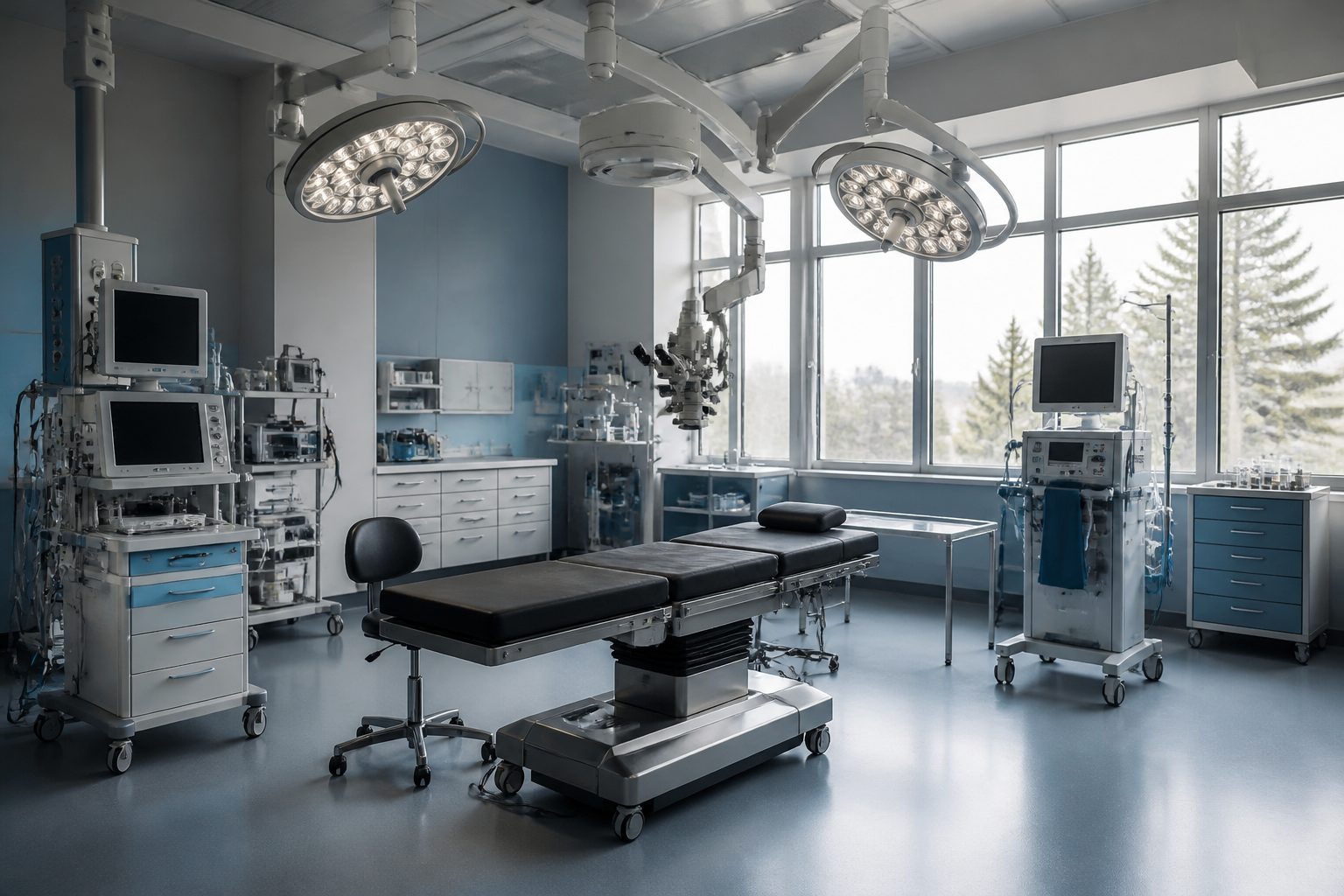
Balloon sinuplasty in Brazil is a popular option for patients with chronic sinus issues who want a less invasive treatment. For international and local patients, total costs usually fall between $2,200 and $4,800 at private hospitals and specialty ENT clinics.
This guide explains what goes into the price, what’s typically included (and what’s not), and how to get a reliable estimate for your own situation. It’s written for patients considering sinus surgery in Brazil, whether you’re paying out of pocket or through private insurance.
What is balloon sinuplasty and who is it for?
Balloon sinuplasty is a minimally invasive procedure used to treat chronic sinusitis and other sinus blockages. Unlike traditional sinus surgery, it uses a small balloon catheter to gently widen blocked sinus passages, allowing for improved drainage and relief from symptoms like congestion, facial pain, and recurrent infections. The procedure is typically performed under local or general anesthesia in an outpatient setting and offers faster recovery times compared to conventional methods.
This technique is suitable for adults and children with chronic sinusitis that hasn’t responded to medication or other conservative treatments. Patients with certain anatomical issues or severe sinus disease may not be candidates, so a detailed evaluation by an ENT specialist is essential before proceeding.
Typical balloon sinuplasty costs in Brazil
Most private hospitals and specialty ENT clinics in Brazil charge $2,200 to $4,800 for balloon sinuplasty. This range covers the procedure itself, anesthesia, and basic facility fees. The final amount depends on the hospital, region, and whether extra services are needed. Public hospitals may offer the procedure at lower or zero cost for Brazilian residents through the SUS (Sistema Único de Saúde), but wait times can be long and not all facilities provide this service.
International patients should expect to pay at the higher end of the range, especially in major cities like São Paulo, Rio de Janeiro, and Brasília. Costs at smaller private clinics in secondary cities may be lower but can vary depending on the surgeon’s experience and the clinic’s reputation.
What’s included in the quoted price?
When you receive a quote for balloon sinuplasty in Brazil, it’s vital to understand exactly what the quoted price covers, as inclusions can vary widely between hospitals and clinics. A comprehensive quote should specify the following elements:
- Surgeon’s fees: This is the professional fee charged by the ENT specialist performing the procedure. In Brazil, fees can differ based on the surgeon’s experience, reputation, and the complexity of your case.
- Anesthesia (local or general): The cost of anesthesia depends on whether local anesthesia with sedation or general anesthesia is used. Some clinics include this in the package, while others bill separately.
- Operating room/facility fees: This covers the use of the surgical suite, equipment, and nursing staff during your procedure. Private hospitals in major cities like São Paulo may charge more due to higher facility standards and advanced technology.
- Pre-op consultation and basic tests: Initial assessments, ENT examinations, and routine blood work may be bundled in the price. However, advanced imaging (such as CT scans) might be extra unless specifically included.
- Post-op observation and first follow-up: Most reputable providers include immediate post-operative monitoring and at least one follow-up visit to check your recovery.
In Brazil, some hospitals offer all-inclusive packages—especially those catering to international patients—which can simplify budgeting and planning. These packages might also include airport transfers, translation services, and help with logistics. Other facilities may itemize every element, so you’ll need to add up the total yourself. To avoid any surprises, always request a detailed written breakdown of what’s covered in your quote, and clarify whether there are any time limits (for example, how many days of follow-up care are included). International patient coordinators at larger hospitals can provide these details in English or Portuguese and should be your point of contact for clarifying inclusions before you commit.
Hidden and extra costs to consider
The initial quote for balloon sinuplasty in Brazil may not reflect the full cost of your care, as certain services and scenarios can incur additional charges. Understanding these potential extras is essential for accurate budgeting, especially for international patients or those with complex medical needs. Common hidden or extra costs include:
- Advanced imaging (CT scans): If you haven’t had a recent CT scan or if the hospital requires a new one, this can add a significant amount to your bill. Imaging costs may vary by facility and region, with private clinics in large cities typically charging more.
- Pre-surgery blood tests: While some basic labs may be included, more comprehensive testing—especially for patients with underlying health issues—may be billed separately.
- Medications: Post-operative prescriptions such as antibiotics, painkillers, nasal sprays, and saline rinses are often not included in the surgical package. Pharmacies in Brazil generally require a prescription and costs can vary by brand and formulation.
- Additional post-op visits or complication management: If you require more than the standard number of follow-up appointments, or if complications arise (such as infection or bleeding), these visits and treatments may result in extra fees.
- Hospital stay (overnight admission): Although balloon sinuplasty is usually an outpatient procedure, some patients may need to stay overnight for observation, especially if general anesthesia is used or if there are medical concerns. Private room charges can be substantial in major urban hospitals.
- Translation or medical interpretation services: For non-Portuguese speakers, professional interpreters may be necessary for consultations, consent forms, and discharge instructions, and these services are rarely included in the base price.
- Travel, accommodation, and meals: International and out-of-town patients must budget for flights, local transportation, hotels, and daily expenses. Brazil’s major cities have a range of options, but costs can add up quickly, particularly in tourist-heavy areas.
To avoid unexpected expenses, ask your hospital or clinic to provide a written list of what is included and what is not. If you are traveling from another country, plan to stay in Brazil for at least 5–7 days to allow for pre-operation assessments, the procedure itself, and your initial recovery and follow-up. Consider purchasing travel health insurance that covers surgical complications and check if your home country’s insurance offers any reimbursement for care abroad. Being proactive about these hidden costs will help you manage your budget and reduce financial stress during your medical journey.
Cost comparison: Brazil and other countries
| Country | Typical cost (USD) | Includes | Notes |
|---|---|---|---|
| Brazil | $2,200–$4,800 (R$11,000–24,000) | Surgery, anesthesia, facility, first follow-up | Lower costs in regional cities; major hospitals in São Paulo/Rio charge more |
| United States | $3,200–$8,000 | Surgery, anesthesia, facility | Higher if done in major metro areas; insurance may cover part |
| India | $1,200–$2,800 (₹1–2.3 lakh) | Surgery, anesthesia, 1–2 follow-ups | Prices generally lower, but variable by hospital tier |
| Mexico | $2,000–$4,000 (MX$34,000–68,000) | Surgery, anesthesia, facility | Popular for US medical tourists; English-speaking staff common |
| United Kingdom | $3,500–$6,200 (£2,800–£5,000) | Surgery, anesthesia, facility | Private sector only; NHS rarely covers except for severe cases |
| Turkey | $1,800–$3,200 (₺57,000–101,000) | Surgery, anesthesia, 1 follow-up | Competitive for international patients; JCI-accredited options |
| Thailand | $2,500–$4,200 (฿90,000–151,000) | Surgery, anesthesia, facility, follow-up | Packages for international patients; English widely spoken |
| UAE | $3,800–$6,500 (AED 14,000–24,000) | Surgery, anesthesia, facility | High-end private hospitals; international patient coordinators |
What drives balloon sinuplasty prices in Brazil?
Several key factors influence the price you’ll pay for balloon sinuplasty in Brazil, and understanding these can help you interpret quotes and make informed choices. Here’s what typically affects the total cost:
- Hospital reputation and location: Major private hospitals in cities like São Paulo, Rio de Janeiro, and Brasília often charge higher fees due to their advanced infrastructure, international accreditations (like JCI), and the higher cost of doing business in urban centers. Smaller clinics in less touristy cities may offer lower prices, but ensure they meet quality standards.
- Surgeon’s experience and qualifications: ENT surgeons with extensive training, international fellowships, or a recognized reputation in sinus surgery usually command higher fees. Surgeons who regularly treat international patients may also charge more due to additional language skills or support services.
- Type of anesthesia: General anesthesia is more expensive than local anesthesia with sedation, as it requires an anesthesiologist, longer monitoring, and sometimes overnight observation. Your specific health profile and the complexity of your sinus condition will determine which is recommended.
- Complexity of your case: If your sinus anatomy is challenging, or if you require additional procedures (such as polyp removal or correction of a deviated septum), the surgery will take longer and may involve extra equipment or staff, increasing the overall cost.
- Inclusion of extras and bundled services: Some hospitals offer packages that include imaging, post-op medications, and follow-up visits, which can raise the upfront price but may offer better overall value and convenience. Others charge a la carte, so you’ll need to tally each component.
Brazil’s healthcare market is competitive, so prices can vary significantly even within the same city. Always review your quote carefully, comparing both the inclusions and the credentials of the provider. Ask your surgeon or hospital to explain any costs that seem higher or lower than average market rates, and don’t hesitate to request clarification or a written breakdown. This transparency is crucial for avoiding unexpected expenses and ensuring you understand exactly what you’re paying for.
How to get an accurate cost estimate
To avoid surprises, follow these steps when seeking a quote for balloon sinuplasty in Brazil:
- Request a detailed, itemized quote from at least two hospitals or clinics. Ask what’s included and what could be extra.
- Send your recent CT scan and medical history (if available) for review. This helps the ENT team assess case complexity.
- Ask about payment terms, deposit requirements, and cancellation/refund policies.
- Check whether translation or international patient services are available if you don’t speak Portuguese.
- If you have insurance, confirm whether Brazilian providers accept your plan and what documents or approvals are needed.
For international patients, larger hospitals in São Paulo and Rio de Janeiro often have English-speaking coordinators who can help with logistics and billing questions.
How to save safely on balloon sinuplasty in Brazil
Reducing the cost of balloon sinuplasty in Brazil is possible without sacrificing safety or quality, provided you take a strategic approach. Here are several practical, safe ways to control your expenses while ensuring you receive high-standard care:
- Consider reputable ENT clinics outside major tourist centers: Clinics in cities like Belo Horizonte, Curitiba, or Porto Alegre often have lower overheads compared to São Paulo or Rio de Janeiro, resulting in more affordable procedure costs. However, always verify the clinic’s reputation and the surgeon’s credentials.
- Opt for local anesthesia if appropriate: If your condition allows and your surgeon agrees, choosing local anesthesia with sedation instead of general anesthesia can significantly reduce both anesthesia and recovery room costs. Discuss this option thoroughly to ensure it’s safe for your case.
- Bring recent imaging and lab results from your home country: If you have a recent CT scan and blood tests, bring official reports (preferably translated into Portuguese or English) to avoid repeating costly diagnostics in Brazil, provided the hospital accepts external results.
- Look for international patient packages: Many hospitals offer bundled deals for international patients, which may include airport pickup, translation services, hotel partnerships, and comprehensive follow-up care. These packages can offer good value and reduce logistical hassles.
- Travel during off-peak periods: Airfares and accommodation in Brazil are generally lower from March to June and August to November. Traveling during these times can help you save on your overall trip costs.
While cost savings are important, never compromise on safety or professional standards. Always verify that your surgeon is board-certified by the Brazilian Society of Otorhinolaryngology and that the clinic or hospital meets Brazilian (ONA) or international (JCI) accreditation standards. Request to see proof of accreditation, read independent patient reviews, and ensure the facility is equipped for emergencies. Saving money should never come at the expense of your health or outcome quality.
How to choose a hospital or clinic
Selecting the right hospital or clinic for your balloon sinuplasty in Brazil is a critical step that will influence both your medical outcome and your overall experience. To make an informed decision, consider the following factors in detail:
- Accreditation: Look for facilities accredited by the Brazilian National Accreditation Organization (ONA) or international bodies such as the Joint Commission International (JCI). Accreditation ensures the hospital meets rigorous standards for patient safety, infection control, staff qualifications, and emergency preparedness. You can verify accreditation status on the respective organizations’ websites.
- ENT specialist reputation and experience: Research your surgeon’s credentials, including board certification by the Brazilian Society of Otorhinolaryngology, years of experience, and the number of balloon sinuplasty procedures performed. Patient reviews, testimonials, and before-and-after case studies can provide valuable insights into satisfaction and outcomes.
- International patient services: If you are traveling from abroad, prioritize hospitals with dedicated international patient departments. These teams can assist with visa documentation, airport transfers, translation and interpretation, and coordination of follow-up care in your home country. They can also help you navigate Brazilian healthcare bureaucracy and cultural differences.
- Transparency and communication: Choose providers who offer clear, itemized pricing and are willing to provide written treatment plans. Transparent communication about what is and isn’t included in your care helps prevent misunderstandings and unexpected expenses.
- Location and accessibility: Proximity to major airports (such as São Paulo-Guarulhos or Rio Galeão) and the availability of comfortable, safe accommodation nearby can make your trip smoother. Consider the ease of transportation, especially if you’ll require follow-up visits or are traveling with a companion.
If you cannot visit the hospital or clinic in person before your procedure, request a virtual consultation with your surgeon and the international patient coordinator. This allows you to ask questions, clarify expectations, and gauge the professionalism of the team. Taking these practical steps will help you select a hospital or clinic that aligns with your medical needs, safety expectations, and travel preferences, ensuring a smoother and safer medical journey in Brazil.
Planning your trip for sinus surgery in Brazil
Most balloon sinuplasty procedures in Brazil are outpatient, so you won’t need a lengthy hospital stay. Plan to arrive at least 2 days before your procedure for tests and consultations. After surgery, you’ll likely be able to travel home within a week, but always follow your surgeon’s advice.
For international patients, São Paulo and Rio de Janeiro have the largest selection of private ENT hospitals and international services. Secondary cities like Curitiba, Porto Alegre, or Belo Horizonte may offer lower costs, but fewer English-speaking staff. Book accommodation near your hospital, and arrange airport transfers if needed.
Bring all relevant medical records, recent scans, and a list of medications. Check Brazil’s visa requirements for your nationality and ensure you have medical travel insurance that covers complications and trip changes.
Frequently asked questions
How long does balloon sinuplasty recovery take?
Most patients feel well enough to return to light activities within 2–3 days. Full recovery, including resolution of mild congestion or drainage, takes about 1–2 weeks. Your surgeon will provide specific aftercare instructions.
Can I use Brazilian public health (SUS) for balloon sinuplasty?
Some public hospitals in Brazil offer balloon sinuplasty for eligible residents free of charge, but wait times are often long and not all facilities have the required equipment. Private care is much faster but comes at a cost.
Is balloon sinuplasty covered by international insurance?
Certain international health insurance plans may reimburse balloon sinuplasty if you have pre-approval and documentation. Always confirm coverage and documentation requirements with both your insurer and the hospital before treatment.
What are the risks and complications?
Balloon sinuplasty is generally safe but, like any procedure, carries risks such as bleeding, infection, or rare injury to sinus tissues. Complication rates are low when performed by experienced ENT surgeons using proper technique.
Will I need to stay overnight in hospital?
Most balloon sinuplasty procedures are performed on an outpatient basis, so overnight admission isn’t usually required. However, if you have other health conditions or complications, your surgeon may recommend a short stay for observation.
Related guides
Disclaimer: Prices in this article are indicative and may vary by hospital, surgeon, and individual case complexity. Always obtain a written quote and consult a qualified ENT specialist before making any treatment decisions.