
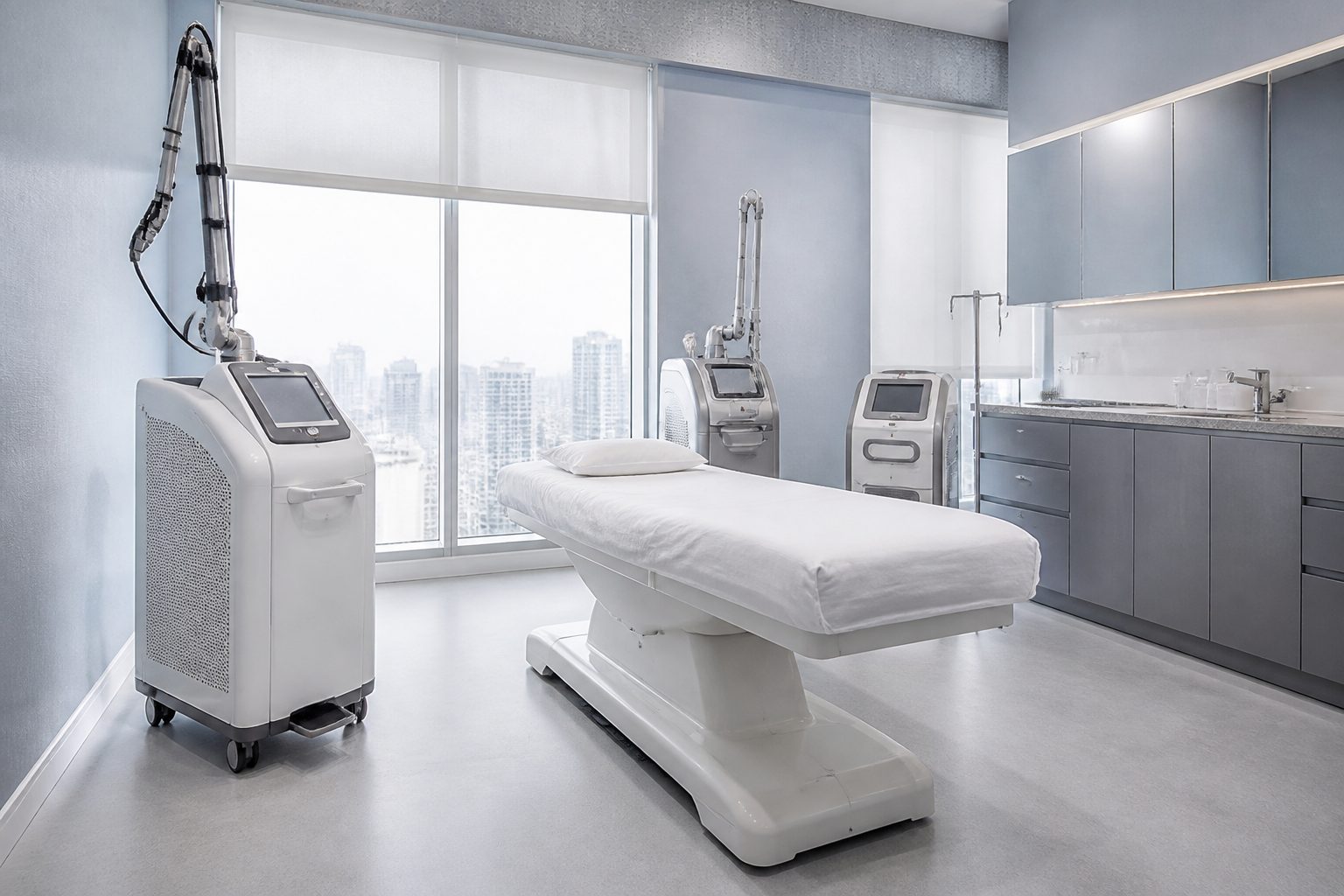
If you’re considering acne laser treatment in Vietnam, you can expect to pay between $250 and $600 (₫6-15 million) per session at reputable dermatology clinics. This guide explains what’s included, how these costs compare to other countries, and what international patients should know before booking.
This article is for patients and families comparing acne laser treatment costs in Vietnam, especially those interested in dermatology clinics with experience treating international patients. We break down what influences price, typical inclusions and exclusions, how to budget, and practical planning tips.
How much does acne laser treatment cost in Vietnam?
In Vietnam, acne laser treatment is typically priced per session, with most patients requiring a series of 3-6 sessions for best results. The majority of reputable clinics in major cities like Ho Chi Minh City and Hanoi charge $250-$600 (₫6-15 million) per session, depending on the type of laser technology used (such as fractional CO2, Nd:YAG, or pulsed dye lasers), the severity and extent of acne, and the reputation of the clinic. Some clinics offer package deals for multiple sessions, which can reduce the average cost per session.
Prices at smaller or less established clinics may be lower, but international patients are advised to choose licensed dermatology centers with experienced staff and modern equipment. The cost usually includes the procedure, consumables, and basic aftercare, but may not cover consultation fees, medications, or follow-up visits.
What is included in the price—and what is not?
Understanding exactly what you are paying for is crucial when comparing acne laser treatment costs in Vietnam. While clinics in major cities like Ho Chi Minh City, Hanoi, and Da Nang often advertise competitive per-session rates, the inclusions and exclusions can vary significantly. Here’s a detailed breakdown to help you interpret quotes and avoid unexpected expenses:
Common inclusions in the quoted price
- Initial skin assessment: Most clinics will include a brief examination by a dermatologist to determine your suitability for laser treatment and select the appropriate protocol.
- Laser device usage and consumables: The session fee generally covers the use of advanced laser machines (such as Q-switched or fractional lasers) as well as single-use items like protective eyewear, gloves, and applicators.
- Basic topical anesthesia: For patient comfort, a numbing cream is often applied before the procedure. This is usually included unless you require a stronger or additional anesthetic.
- Post-treatment soothing products: Clinics typically apply a calming cream, gel, or face mask immediately after treatment to reduce redness and irritation.
- Short observation period: After your session, you may be monitored for 15–30 minutes to ensure there are no immediate adverse reactions before you leave the clinic.
Typical exclusions—potential extra charges
- Initial consultation fee: Some clinics charge a separate fee (often $10–$30 USD), which may be deducted from your total if you proceed with treatment. Always ask if this is included or waived.
- Laboratory tests: If you have underlying health conditions or complex acne, pre-procedure blood tests or skin swabs may be recommended at an additional cost.
- Prescription medications: Topical creams, antibiotics, or anti-inflammatory drugs prescribed for aftercare are rarely included in the session price and are paid for separately at the clinic or a local pharmacy.
- Follow-up visits: While your first post-procedure check may be free, subsequent visits for monitoring or managing complications are often billed per appointment.
- Additional or combination therapies: If you require more intensive treatment (such as oral isotretinoin, chemical peels, or microdermabrasion), these will be quoted separately and can significantly increase your overall cost.
To avoid misunderstandings, always request a detailed written estimate from your clinic. Clarify which services, products, and aftercare are included in the quoted price, and ask for a list of possible extra charges. This will help you accurately compare clinics and budget for your entire course of treatment in Vietnam.
Comparing acne laser costs: Vietnam vs other countries
Vietnam is widely known as a cost-effective destination for dermatology care, with prices for acne laser treatment significantly lower than in many Western and regional countries. Below is a comparison of typical costs per session in several countries (all figures in USD):
| Country | Indicative cost per session | Notes on inclusions |
|---|---|---|
| Vietnam | $250-$600 (₫6-15 million) | Procedure, basic aftercare; consultation extra |
| Thailand | $350-$900 (฿13,000-33,000) | Often includes consultation, aftercare kit |
| India | $150-$500 (₹12,000-42,000) | Usually excludes consultation, drugs |
| Singapore | $600-$1,200 (S$800-1,600) | Procedure, aftercare; higher for premium clinics |
| Philippines | $200-$700 (₱11,000-39,000) | Procedure, minimal aftercare; consult extra |
| United States | $700-$2,500 | Procedure only; consult and meds extra |
| United Kingdom | $600-$1,300 (£480-1,050) | Procedure, some aftercare; consult extra |
| Australia | $500-$1,200 (A$750-1,800) | Procedure; consult and aftercare separate |
Vietnam offers a strong balance of affordability and quality, especially in major cities where dermatology clinics cater to international patients. However, prices can vary by clinic reputation, technology, and whether you select a package.
What drives the price of acne laser treatment in Vietnam?
Several factors influence the final cost of acne laser procedures in Vietnam:
- Type of laser technology: Newer systems (e.g., fractional CO2, Q-switched Nd:YAG) are more expensive than older models.
- Clinic reputation and location: Well-known clinics in central Ho Chi Minh City or Hanoi typically charge more than smaller suburban practices.
- Dermatologist experience: Board-certified dermatologists with international training may command higher fees.
- Extent of treatment area: Treating the full face costs more than a targeted area such as the chin or cheeks.
- Number of sessions: Most patients need 3-6 sessions, and package deals can sometimes reduce per-session costs.
- Additional therapies: If your acne requires adjunct treatments (e.g., chemical peels, oral medications), expect higher total costs.
When comparing quotes, make sure you are looking at clinics with similar standards of equipment, hygiene, and aftercare support.
How to choose a clinic for acne laser treatment
Choosing the right clinic is perhaps the most important decision for international patients seeking acne laser treatment in Vietnam. The quality of care, safety standards, and overall experience can vary widely, so it’s essential to do thorough research before making a commitment. Here’s a step-by-step guide to selecting a reputable clinic:
- Qualified dermatologists: Ensure that the clinic’s doctors are licensed dermatologists with board certification and specialized training in laser dermatology. In major Vietnamese cities, you can often find practitioners who have trained abroad or are members of international dermatological societies. Don’t hesitate to ask for proof of credentials and experience treating foreign patients.
- Modern equipment: Ask which laser systems are used (e.g., Q-switched, fractional CO2, or diode lasers) and how often they are serviced. International-standard clinics will use FDA- or CE-approved devices and have maintenance logs available. Newer machines often provide better results with less downtime and fewer side effects.
- Accreditation and hygiene: While few Vietnamese clinics hold international accreditations like JCI, look for those with strong reputations, clear hygiene protocols, and local health department certification. Check that the clinic follows strict sterilization procedures and uses single-use consumables.
- International patient support: Clinics experienced with foreigners often have English-speaking staff, clear pricing in multiple currencies, and can assist with logistics such as airport transfers or hotel recommendations. This can make your experience smoother and reduce misunderstandings.
- Written quotes and transparent policies: Always request a detailed written quote that outlines all fees, cancellation terms, refund policies, and aftercare support. This protects you from unexpected costs or disputes.
In addition, request to see before-and-after photos of previous patients (with their consent) to gauge the clinic’s results. Read independent online reviews and check for any complaints about safety or hidden fees. Finally, schedule an in-person consultation before agreeing to treatment—this allows you to assess the clinic’s professionalism, ask questions, and ensure you feel comfortable with the staff and environment. Taking these steps will help you choose a clinic that prioritizes your safety, delivers effective results, and offers a positive medical tourism experience in Vietnam.
Hidden costs and how to avoid them
Even though Vietnam is known for affordable acne laser treatments compared to many Western countries, international patients should be vigilant about potential hidden costs that can inflate your total expenditure. These extra fees often arise from the unique needs of medical tourists or from clinic-specific policies. Here’s how to recognize and minimize these hidden expenses:
- Consultation fees: While some clinics waive the initial consultation if you proceed with treatment, others charge a non-refundable fee (typically $10–$30 USD). Confirm this in advance and ask if it will be deducted from your total bill.
- Medications: Prescription creams, antibiotics, or anti-inflammatory drugs for post-laser care are almost always billed separately. Prices can vary, and imported products may be more expensive. Ask for a price list for recommended aftercare products before your session.
- Follow-up visits: If you develop complications or require additional monitoring, each extra appointment may incur a separate charge. This is especially relevant if you are staying in Vietnam for an extended period or need treatment continuity after returning home.
- Medical translation: While English is widely spoken in major clinics, smaller or regional clinics may charge for translation services if you require assistance in another language. Clarify language support and any associated fees at the time of booking.
- Travel and accommodation: These are not included in treatment quotes. Plan for at least 2–4 days in Vietnam for your course of treatments, factoring in hotel costs, local transport, and meals. Prices vary by city and season, so budget accordingly.
To avoid unpleasant surprises, always request a comprehensive, itemized invoice before committing to a clinic. Ask detailed questions about what is—and is not—included, and get written confirmation of all potential extra charges. If you might need additional sessions, inquire about the cost per session and whether package pricing applies. Planning ahead and maintaining clear communication with your clinic will help you avoid unexpected costs and keep your treatment affordable.
How to save money safely
Saving on acne laser treatment in Vietnam is possible, but it’s important to balance cost with quality and safety. Here are several tested strategies to reduce expenses without compromising your results or risking complications:
- Package deals: Most reputable clinics offer discounts if you commit to a package of multiple sessions—typically three, five, or six treatments. This can reduce your per-session cost by 10–25%. Before paying upfront, ask about refund policies if you need to stop treatment early due to travel, medical reasons, or unsatisfactory results. Ensure the clinic honors unused sessions or allows you to transfer them if necessary.
- Off-peak appointments: Scheduling your treatments during less busy periods—such as weekday mornings or early afternoons—can sometimes earn you a lower rate. Clinics may offer promotions or special rates during these times to fill their schedule, especially in larger cities like Ho Chi Minh City and Hanoi.
- City choice: While the largest cities have the widest selection of English-speaking clinics and the latest technology, smaller cities such as Da Nang, Nha Trang, or Can Tho often offer similar treatments at lower prices, sometimes 10–20% less. However, check that the clinic is properly licensed and that staff can communicate in English or provide a translator if needed.
- Group or family rates: If you are traveling with a friend or family member who also wants treatment, some clinics will offer a group discount. This is especially common for cosmetic clinics that cater to international patients and can help reduce the overall cost for both parties.
Regardless of the savings, never compromise on safety. Avoid clinics that are unlicensed, use outdated equipment, or cannot provide proof of staff qualifications. The risk of burns, infection, or unsatisfactory cosmetic results is not worth any potential savings. Always verify credentials, ask to see the laser devices, and read independent reviews before booking your treatment. Prioritizing licensed, well-reviewed clinics ensures you get safe, effective care at a fair price.
Practical planning tips for international patients
For international patients seeking acne laser treatment in Vietnam, careful planning is essential to ensure a smooth, cost-effective, and safe experience. Vietnam’s dermatology sector is well-developed in major cities, but navigating the logistics as a medical tourist requires attention to detail and an understanding of local nuances. Here are detailed steps and factors to consider when preparing for your journey:
- Book in advance: Vietnam’s reputable clinics, especially in Ho Chi Minh City and Hanoi, can have busy schedules. Contact your chosen clinic weeks ahead to secure consultation and treatment dates that fit your travel plans. Build in a buffer of several days at the end of your trip for potential follow-up appointments or unexpected delays.
- Bring medical history: Prepare a summary of your dermatological history, including prior acne treatments, allergies, and a list of current medications (with generic names). If you have records in English or Vietnamese, bring copies for your dermatologist to review. This aids in personalizing your treatment and avoiding adverse reactions.
- Schedule downtime: Laser treatments often cause temporary redness, swelling, or mild discomfort. Plan for at least 1-2 days post-procedure where you can rest, avoid strenuous activities, and stay out of direct sunlight. This is especially important in Vietnam’s tropical climate, which can exacerbate skin sensitivity.
- Consider the weather: Vietnam’s humid, sunny climate can slow skin recovery and increase the risk of pigmentation changes after laser therapy. Pack broad-spectrum sunscreen (SPF 50+), a wide-brimmed hat, and lightweight clothing to protect treated skin. Follow your clinic’s aftercare instructions meticulously, and avoid outdoor excursions during peak UV hours.
- Travel insurance: Purchase a travel insurance policy that specifically covers elective procedures and possible complications abroad, such as infections or allergic reactions. Some international insurers offer medical tourism add-ons; check policy exclusions and ensure you understand the claims process in case of medical issues.
Additionally, research Vietnam’s visa requirements for your nationality. Some clinics can provide supporting documentation for medical visas or extend your stay if needed for treatment. Confirm this service in advance to avoid immigration issues. By taking these steps, you can focus on your recovery and maximize the benefits of your acne laser treatment in Vietnam.
Frequently asked questions
How many sessions of acne laser treatment do I need?
Most patients require 3-6 sessions, spaced 2-4 weeks apart, for optimal results. The exact number depends on the severity of acne and the type of laser used. Your dermatologist will recommend a personalised plan after assessing your skin.
Is acne laser treatment in Vietnam safe for international patients?
Yes, if you choose a reputable clinic with experienced dermatologists and modern equipment. Clinics serving international patients typically follow strict hygiene protocols. Always check credentials and seek a full consultation before treatment.
Can I combine acne laser treatment with a holiday in Vietnam?
Yes, but plan for some downtime after each session, as you may experience redness or swelling. Avoid sun exposure and strenuous activities for at least 48 hours post-procedure. Schedule treatments early in your trip to allow for follow-ups if needed.
Are results permanent or will I need maintenance?
Laser treatment can significantly reduce acne and improve skin texture, but results are not always permanent. Some patients benefit from maintenance sessions every 6-12 months, especially if acne recurs. Ongoing skincare and sun protection are important.
Will my insurance cover acne laser treatment abroad?
Most international and local health insurance policies do not cover elective cosmetic procedures like acne laser treatment. Some medical travel insurance plans may cover complications, but not the procedure itself. Confirm your coverage before travel.
Related guides
Disclaimer: Prices are indicative and vary by clinic, technology, and individual needs. Always obtain a personalised written quote and consult a qualified dermatologist before proceeding with any treatment.