
This guide is for anyone considering skin cancer screening in Indonesia, whether you are a local resident, an expatriate, or a medical traveler seeking affordable dermatology care. Expect to pay $25-$90 (IDR 400,000-1.4 million) for a basic screening, with fees influenced by clinic type, doctor experience, and any additional diagnostic tests.
Indonesia offers a growing number of dermatology clinics and hospitals with international standards, particularly in major cities like Jakarta, Surabaya, and Bali. Screening is accessible and often more affordable than in Western countries, but costs can vary widely.
What is included in a skin cancer screening
In Indonesia, a standard skin cancer screening is designed to detect early signs of skin cancer and other suspicious skin changes. The process typically begins with an initial consultation, where a board-certified dermatologist reviews your medical history and discusses any concerns or symptoms you may have. This is followed by a thorough visual examination of your skin, which may include a full-body check or focus on specific areas that you or your doctor are concerned about. The goal is to identify any moles, spots, or lesions that look abnormal or have changed over time.
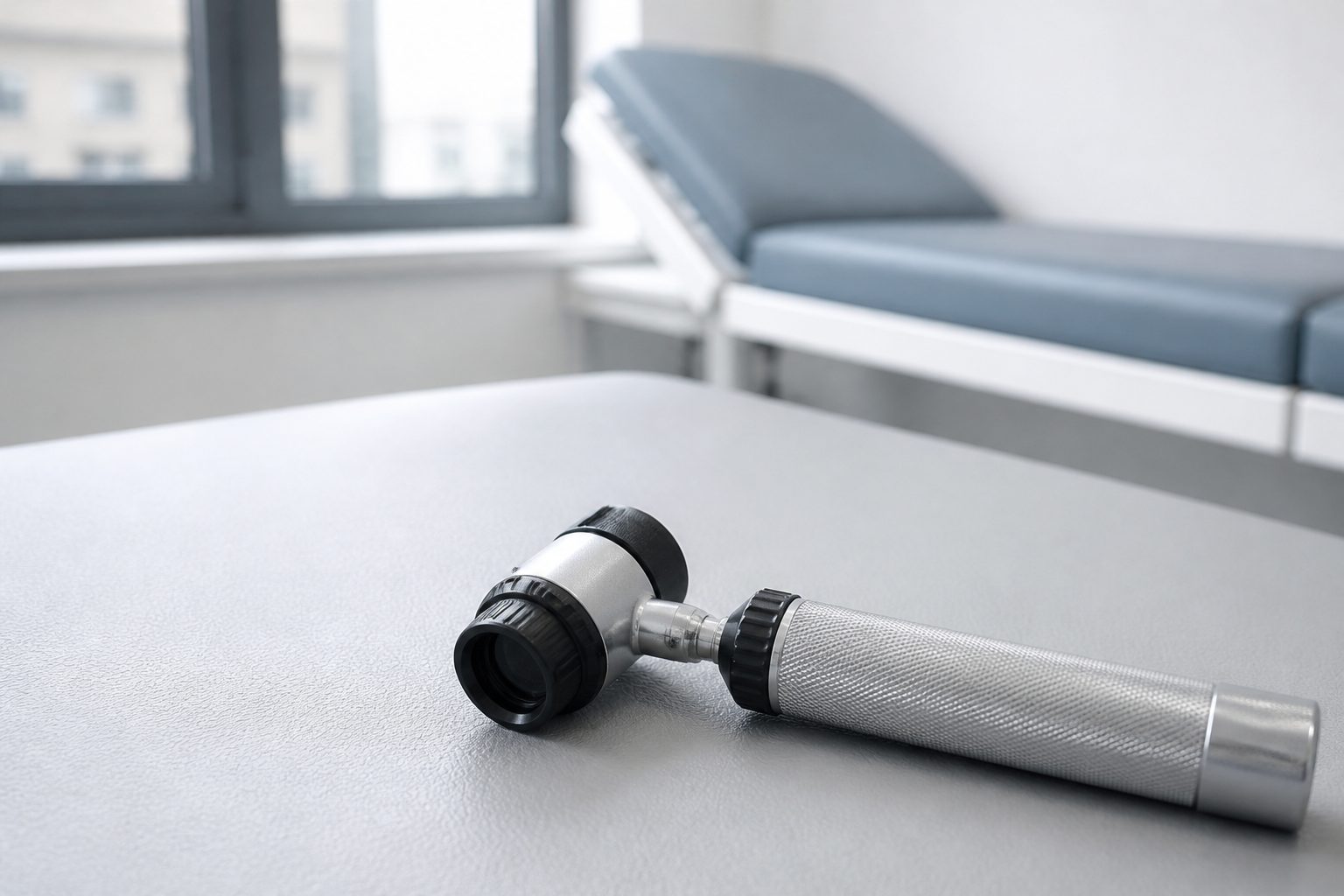
During the examination, many clinics—especially those in major cities like Jakarta, Surabaya, or Denpasar—use a dermatoscope. This handheld device magnifies and illuminates the skin, allowing the dermatologist to see structures beneath the surface and better distinguish between benign and potentially malignant lesions. Dermatoscopy is considered a best practice in modern dermatology and increases the accuracy of the screening.
The basic screening fee in Indonesia typically covers:
- Initial consultation: A face-to-face meeting with a dermatologist, including a review of your medical and family history relevant to skin cancer risk.
- Visual and dermatoscopic examination: A careful check of all visible skin areas, with special attention to moles, birthmarks, and other pigmented lesions. The use of a dermatoscope is included at most reputable clinics.
- Advice and education: The doctor will provide guidance on self-monitoring, sun protection, and when to seek further medical advice. You may receive printed materials or digital resources on skin cancer prevention and early detection.
It’s important to note that the basic fee does not include procedures such as biopsies, laboratory tests (histopathology), or digital mole mapping, which are only performed if the dermatologist finds a lesion that warrants further investigation. The need for these additional services is determined during the initial screening. Always clarify with the clinic what is included in your quoted fee, as inclusions can vary between public hospitals and private clinics in Indonesia.
Typical skin cancer screening costs in Indonesia
Screening fees depend on the clinic’s reputation, the dermatologist’s qualifications, and whether the facility is a private hospital, a specialist clinic, or a public institution. Internationally-oriented clinics in Jakarta and Bali may charge higher fees than local hospitals in smaller cities. The following table compares indicative skin cancer screening fees in Indonesia and several other countries for context.
| Country | Screening fee (USD) | Local currency | What’s included |
|---|---|---|---|
| Indonesia | $25-$90 | IDR 400,000-1,400,000 | Consultation, visual & dermatoscopic exam |
| India | $15-$60 | ₹1,200-5,000 | Consultation, visual exam |
| Thailand | $30-$100 | THB 1,000-3,500 | Consultation, dermatoscopy |
| Malaysia | $25-$70 | MYR 120-320 | Consultation, visual exam |
| Singapore | $80-$150 | SGD 110-210 | Consultation, dermatoscopy |
| Philippines | $20-$55 | PHP 1,100-3,000 | Consultation, visual exam |
| United States | $120-$250 | USD | Consultation, dermatoscopy |
| UK (private) | $90-$180 | £70-£140 | Consultation, dermatoscopy |
| Australia | $60-$120 | AUD 90-180 | Consultation, dermatoscopy |
What affects the price of skin cancer screening
The main factors influencing screening fees in Indonesia are:
- Clinic or hospital type: International hospitals and clinics in Jakarta, Bali, or Surabaya tend to charge more than local or public facilities.
- Dermatologist’s experience: Senior consultants and dermatologists with international training usually set higher consultation fees.
- Scope of examination: Full body checks and digital mole mapping are more expensive than a focused exam of a single lesion.
- Diagnostic extras: Biopsies, histopathology, and follow-up appointments are billed separately. Dermatoscopy is often included, but digital imaging may cost extra.
- Location: Fees are generally higher in Jakarta and Bali compared to provincial cities or public hospitals.
Ask clinics for a detailed price list before booking, as some include follow-up appointments or digital mole mapping in package deals, while others bill every service separately.
What is not included in the basic screening fee
When budgeting for a skin cancer screening in Indonesia, it’s essential to understand that the basic screening fee is typically limited to the initial consultation and a visual examination by the dermatologist. However, many important diagnostic and treatment steps are not part of this base fee and will result in additional charges. Patients should be aware of these potential extra costs to avoid unexpected expenses during or after their visit.
- Skin biopsy: If your dermatologist identifies a suspicious mole or lesion during the examination, they may recommend a skin biopsy. This procedure involves removing a small sample of skin tissue for further analysis. Biopsy costs can vary depending on the clinic’s location, the method used (punch, shave, or excisional), and whether it’s performed in a public or private facility. In Indonesia, you can expect to pay between $40 and $125 (IDR 600,000–2,000,000) for a biopsy.
- Histopathology: After a biopsy, the tissue sample must be sent to a laboratory for histopathological analysis to determine if cancer cells are present. This lab work is always billed separately and typically ranges from $45 to $100 (IDR 700,000–1,600,000), depending on the complexity of the analysis and the reputation of the laboratory.
- Removal of moles or skin lesions: If the dermatologist recommends removing a mole or lesion for cosmetic or preventive reasons, this is not included in the screening fee. Removal procedures can involve minor surgery or laser treatment, each with its own pricing structure.
- Additional tests: While rarely needed for basic screening, extra blood tests or imaging (such as ultrasound or dermoscopic photography) may be suggested if there is suspicion of skin cancer spreading or if you have a complex medical history. These add to the total cost and are more commonly required at larger hospitals or specialized cancer centers.
- Medication and follow-up treatment: Should you need prescription creams, oral medications, or additional treatments (like cryotherapy or photodynamic therapy), these are always billed separately and can vary widely in price.
Given these variables, it’s crucial to ask your dermatologist for a written estimate outlining all recommended procedures and their associated fees before agreeing to any further tests or treatments. This is particularly important in private clinics, where costs may be higher and less standardized than in public hospitals. In some Indonesian provinces, especially outside major cities, prices may be lower, but so may the availability of advanced diagnostic services. Always clarify what is and isn’t included in your quoted fee to avoid financial surprises.
How to find a reputable clinic or hospital
Indonesia’s main cities offer several internationally-accredited hospitals and specialist skin clinics. Look for facilities with board-certified dermatologists, preferably those who are members of the Indonesian Society of Dermatology and Venereology (PERDOSKI). International hospitals in Jakarta and Bali commonly have English-speaking staff and established protocols for international patients.
Some of the largest private hospitals—such as Siloam Hospitals, Rumah Sakit Pondok Indah, and BIMC Hospital—have well-developed dermatology departments. Specialist clinics such as Klinik Pramudia (Jakarta) are popular for skin checks and mole mapping. Ask about:
- Doctor’s qualifications and years of experience
- Availability of dermatoscopy and digital mole mapping
- Clear, published pricing and package deals
- Language support for international patients
- Accreditations (JCI, NABH, or local equivalents)
Read recent patient reviews and, if possible, request a teleconsultation before booking.
Hidden costs and how to avoid them
When undergoing skin cancer screening in Indonesia, it’s easy to underestimate the total cost if you’re not fully informed about what is—and isn’t—included in the initial screening fee. Many patients are surprised by additional charges that arise during the process, especially at private clinics or international hospitals. Here are some of the most common hidden costs and practical steps to avoid them:
- Follow-up appointments: The initial consultation fee usually covers only one visit. If your dermatologist wants to monitor a lesion or discuss biopsy results, each follow-up appointment is billed separately, often at rates similar to the first visit.
- Biopsy and laboratory analysis: If a suspicious mole or lesion is found, a biopsy and subsequent histopathology (lab analysis) are almost always necessary. These procedures can add $80–$225 (IDR 1.2–3.6 million) to your bill, depending on the facility, the complexity of the biopsy, and whether you’re at a public or private clinic. Some clinics require upfront payment for these services.
- Digital mole mapping: Some urban clinics offer advanced digital mole mapping, which creates a photographic record of your moles for future comparison. This is a valuable tool for patients with many moles or a personal/family history of skin cancer, but it’s not included in basic screening fees and costs an additional $30–$80 (IDR 500,000–1,200,000).
- Medication: If your dermatologist prescribes creams, oral medications, or other treatments after the screening, these are always billed separately at the clinic’s or pharmacy’s rates.
- Translation or interpretation services: While some clinics have English-speaking staff, others charge for professional translation, especially if you require documents or explanations in another language.
To avoid unexpected expenses, take the following steps:
- Ask for a detailed, written breakdown of all anticipated costs before your appointment. This should include screening, potential biopsies, lab work, and any optional services.
- Confirm which services are included in the quoted fee and which are considered add-ons or require separate billing.
- If you’re an international patient, clarify whether any additional administrative or translation fees apply.
- For those using Indonesian health insurance (BPJS), check if follow-up visits or biopsies are covered and at what rate, as coverage varies by region and hospital.
By being proactive and transparent with your clinic, you can minimize surprises and ensure you only pay for the services you truly need.
How to save safely on screening fees
Saving money on skin cancer screening in Indonesia is possible without sacrificing quality or safety, but it requires careful planning and informed choices. The cost of screenings can vary widely depending on the clinic’s location, reputation, and whether it’s a public or private facility. Here are some practical ways to keep your expenses manageable while ensuring you receive accurate and reliable care:
- Choose reputable clinics: Opt for well-established dermatology clinics or hospitals in cities like Jakarta, Surabaya, or Bali, which often have transparent, published pricing and experienced dermatologists. While prices may be slightly higher than in smaller towns, the quality and safety standards are generally better.
- Look for package deals: Some clinics offer bundled packages that include the initial screening, follow-up visits, and services like digital mole mapping at a discounted rate. This can be especially cost-effective for patients with many moles or those at higher risk who may require more frequent monitoring.
- Utilize public healthcare: If you are an Indonesian citizen or resident with BPJS health insurance, consider public hospitals or government clinics, which often provide subsidized skin cancer screenings. Be aware, however, that you may face longer waiting times and less English language support compared to private clinics, especially in rural areas.
- Book directly: International patients can sometimes save by booking directly with clinics rather than through third-party agencies, which may add commission or service fees. Many reputable clinics have English-speaking staff and online booking systems to facilitate direct appointments.
- Ask about comprehensive screening: If you have a personal or family history of skin cancer, or if you have numerous moles, inquire about comprehensive screening packages. These may include full-body checks, digital mole mapping, and follow-up consultations, helping you avoid repeated single-visit fees.
It’s important to avoid very low-cost, non-specialist clinics or spas, as these locations may lack trained dermatologists or the proper diagnostic equipment necessary for accurate skin cancer detection. Prioritize your safety by verifying the credentials of your healthcare provider and the clinic’s reputation through online reviews or recommendations from trusted sources. By following these tips, you can balance affordability with high-quality care and peace of mind.
Tips for planning your screening visit
Proper planning can help you get the most out of your skin cancer screening in Indonesia, minimize stress, and avoid unnecessary delays or costs. Clinics in larger Indonesian cities such as Jakarta, Surabaya, and Bali generally offer flexible appointment scheduling, with waiting times ranging from same-day to a few days, especially at private facilities. However, public hospitals or clinics in smaller towns may require longer waits, particularly if you are using the national health insurance (BPJS) system.
- Gather your medical history: Bring any previous dermatology records, photographs of moles or skin changes, and a list of current medications or allergies. This helps the dermatologist assess changes over time and avoid unnecessary repeat testing.
- Dress appropriately: Wear loose, comfortable clothing that is easy to remove, as a full-body skin check may require you to undress to your underwear. Avoid makeup, nail polish, or artificial nails, as these can obscure lesions on the face, hands, or nails.
- Prepare your questions and concerns: Before your visit, make a list of skin changes, new moles, or symptoms (such as itching, bleeding, or rapid growth) that you want to discuss. This ensures you don’t forget important details during the consultation.
- Language considerations: If you are not fluent in Bahasa Indonesia, request language support in advance or bring a trusted translator. While many urban clinics have English-speaking staff, this is less common in rural areas or public hospitals.
- Time management: Allow extra time in your schedule for potential additional procedures, such as biopsies or digital mole mapping, which may be done immediately if a suspicious lesion is found. This is especially important if you are traveling from another city or have other appointments the same day.
If you are an international patient or medical tourist, consider combining your skin cancer screening with other dermatology or ENT (ear, nose, and throat) consultations, as many Indonesian clinics offer multi-specialty services and may provide package discounts. It’s also wise to check if your travel insurance covers outpatient dermatology services in Indonesia. Finally, confirm your appointment in advance, as some clinics require a deposit or online pre-registration, especially for foreign patients or during busy periods.
Frequently asked questions
How often should I get a skin cancer screening?
Most dermatologists recommend annual screening for high-risk individuals (fair skin, family history, many moles) and every 2-3 years for others. Your doctor may suggest a different schedule based on your risk profile.
Will my insurance cover the screening fee?
Indonesian public health insurance (BPJS) may cover screening at public hospitals, but private insurance often requires a referral. International visitors should check with their insurer before attending a clinic.
Is screening available outside Jakarta and Bali?
Yes, most provincial capitals and large cities have dermatology clinics or hospital departments offering skin checks. However, international-standard facilities and English-speaking staff are most common in Jakarta, Bali, and Surabaya.
What if the doctor finds a suspicious mole?
If a suspicious lesion is found, the dermatologist will recommend a biopsy and lab analysis for diagnosis. These are billed separately from the screening fee, and you will usually receive results within a week.
Can I combine skin cancer screening with other tests?
Many clinics offer combined packages for skin, ENT, and allergy consultations. This can be more cost-effective for patients seeking care for multiple concerns, such as hearing tests or allergy panels.
Related guides
Disclaimer: Prices and services listed here are indicative and vary by clinic, hospital, and individual case. Always request a written quote and consult a qualified dermatologist before booking any procedure.