
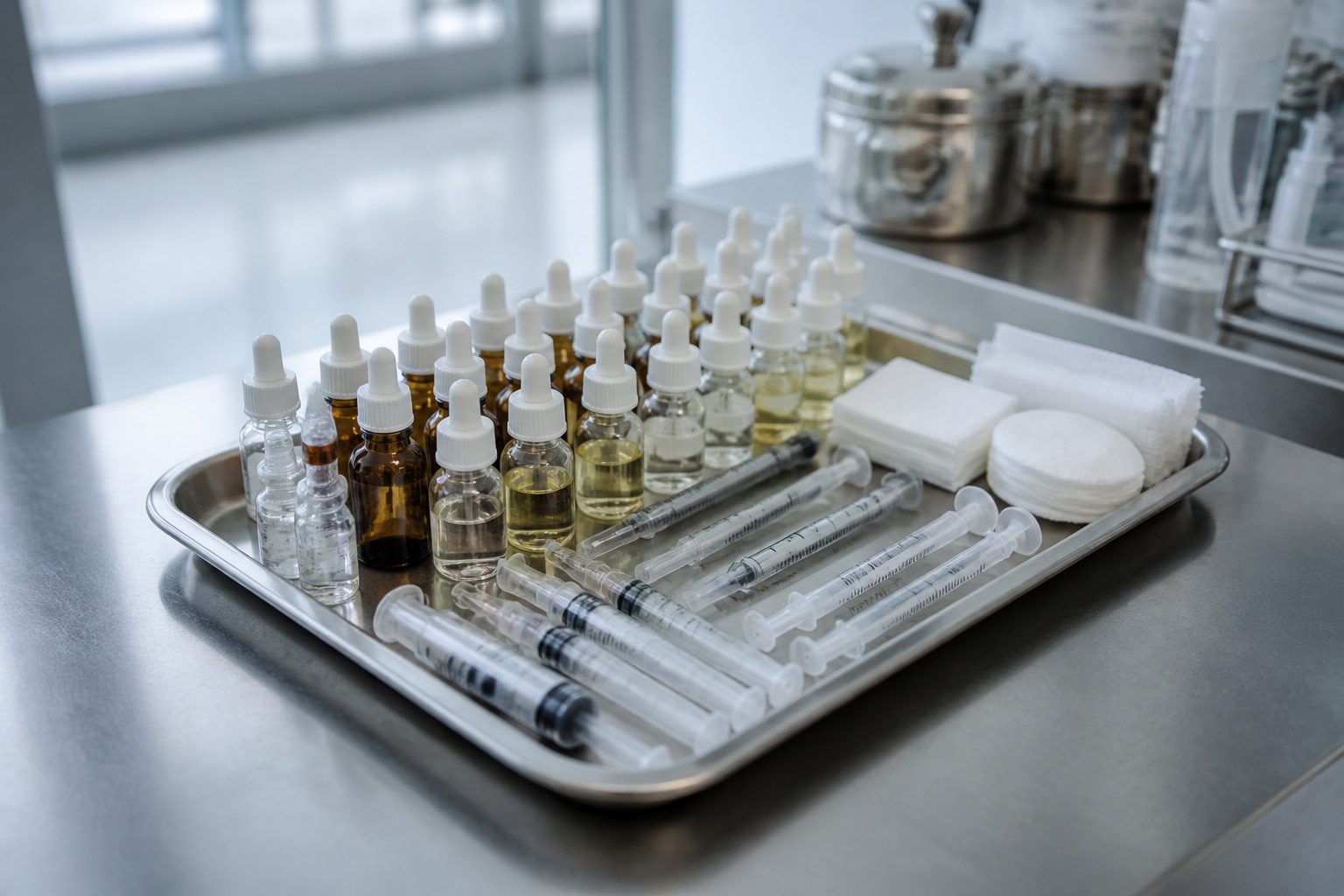
Allergy testing is a key first step for anyone dealing with persistent skin rashes, nasal congestion, sneezing, breathing issues, or unexplained reactions to foods or environments. If you are considering getting tested in Bangladesh, Singapore, or Germany, the cost, accuracy, and type of tests available can differ widely.
In Bangladesh, allergy testing is affordable but limited in scope. Singapore offers advanced, internationally accredited clinics at moderate-to-high prices. Germany provides comprehensive testing in highly regulated environments, often at the highest cost. This guide details costs, what’s included, and practical tips for each country.
Overview of allergy testing: what’s involved
Allergy testing is a diagnostic process designed to pinpoint substances—known as allergens—that trigger abnormal immune responses, such as rashes, sneezing, or swelling. The approach and technology used can differ by country, clinic resources, and your specific symptoms. Here’s a closer look at what’s typically involved in the process:
- Skin prick or scratch test: This is often the first-line method in all three countries, due to its speed and cost-effectiveness. Drops of common allergens are placed on your forearm or back, and the skin is lightly pricked. Reactions such as redness or swelling indicate sensitivity. In Germany and Singapore, these tests are standardized and strictly regulated; in Bangladesh, they may be more variable, so always check the clinic’s credentials.
- Blood (IgE) test: If you have a skin condition or are taking antihistamines, a blood test may be recommended. This test measures the amount of allergen-specific IgE antibodies in your blood. It’s more expensive and results can take longer, but it’s useful for diagnosing food allergies or when skin tests are inconclusive. In Singapore and Germany, labs often use advanced equipment for precise measurement.
- Patch test: Used mainly for contact dermatitis, this test involves applying patches containing suspected allergens to your skin (usually your back) for 48 hours. After removal, the skin is examined for delayed reactions. This method is common in Germany, where dermatology clinics are well-equipped for such procedures.
- Challenge test: The gold standard for diagnosing food or drug allergies, challenge testing involves consuming or being exposed to the suspected allergen under close medical supervision. This is typically only performed in hospital settings in Singapore and Germany due to the risk of severe reactions and the need for emergency care.
Allergy testing is usually recommended by specialists such as dermatologists, ENT doctors, or allergists, based on your medical history and symptoms. In Germany, the process is highly structured and may involve several appointments. In Singapore, private clinics offer streamlined packages, while in Bangladesh, access may depend on urban versus rural location. Always consult a qualified healthcare provider before proceeding, and ask which test is most appropriate for your case.
Cost comparison table: Bangladesh, Singapore, Germany
| Country | Skin Prick Test (20 allergens) | Blood (IgE) Test (per allergen) | Patch Test (standard panel) | Consultation Fee |
|---|---|---|---|---|
| Bangladesh | $30-$60 (৳3,200-6,400) | $8-$15 (৳850-1,600) | $40-$70 (৳4,300-7,500) | $10-$25 (৳1,100-2,700) |
| Singapore | $110-$260 (SGD 150-350) | $30-$45 (SGD 40-60) | $150-$240 (SGD 200-325) | $65-$130 (SGD 90-180) |
| Germany | $180-$320 (€170-300) | $25-$40 (€24-38) | $220-$370 (€210-350) | $80-$180 (€75-170) |
What is and is not included in the price
Understanding exactly what you’re paying for is crucial when booking allergy testing, especially since inclusions and exclusions can differ by country and clinic. Many people are surprised by extra charges that aren’t mentioned up front, so it’s important to clarify every detail before committing. Here’s what you should expect in Bangladesh, Singapore, and Germany:
- Included: The base price usually covers the test materials (such as allergen extracts and syringes), the time of the nurse or technician administering the test, and a basic interpretation of results. In many clinics, a short consultation to explain your results is included. In Singapore and Germany, printed or digital reports are often standard, while in Bangladesh you may receive verbal feedback unless you request a written summary.
- Not included: The initial specialist consultation is often billed separately, especially in Germany and Singapore, where consultation fees can be significant. Additional allergen panels (beyond the standard set), follow-up visits, and any treatment (such as immunotherapy, prescription medication, or further diagnostic procedures) are typically extra. In Germany, you may also pay more for detailed written reports or translation services if you need documentation in English or another language.
- Hidden costs: Be aware of potential add-ons such as repeat testing (if initial results are inconclusive), extra bloodwork, or hospital day charges for challenge tests. In Singapore and Germany, advanced diagnostics like component-resolved molecular testing or hospital-based challenge tests can add substantially to the bill. Testing for rare or unusual allergens may also incur extra charges, as these require special order reagents or equipment.
To avoid surprises, always request a comprehensive written quote that itemizes every expected cost, including consultation, testing, reporting, and any anticipated follow-up. If you need documentation for insurance or work, confirm whether this is included or billed separately. Being thorough at this stage protects you from hidden fees and ensures you receive the level of care and reporting you need.
Cost drivers: why prices differ
The price of allergy testing can vary widely depending on several factors, both within and between countries like Bangladesh, Singapore, and Germany. Understanding these cost drivers will help you budget appropriately and avoid surprises. Here’s what most influences the final bill:
- Test type and number of allergens: The more comprehensive the panel, the higher the cost. For example, a skin prick test with 20 allergens is much less expensive than a 60-allergen panel. Blood tests (such as ImmunoCAP or RAST) are often priced per allergen, so a larger selection can quickly multiply costs. In Germany, advanced molecular allergen panels can be particularly expensive, while in Bangladesh, basic panels may be more affordable but less comprehensive.
- Clinic/hospital tier: The reputation and accreditation of the facility play a big role. Internationally accredited hospitals (like JCI in Singapore or university hospitals in Germany) charge more for state-of-the-art equipment, highly trained staff, and stringent safety standards. In Bangladesh, prices are lower at local clinics but may rise at private urban hospitals.
- Location and regulatory standards: Urban centers in Singapore and Germany typically have higher overheads, reflected in their prices. Germany’s strict medical regulations and higher staff salaries also drive up costs. In Bangladesh, prices are generally lowest, but may increase in major cities like Dhaka or Chattogram due to higher demand and operational costs.
- Specialist fees: The expertise of the doctor matters. Allergists and dermatologists with international training or advanced credentials often charge higher consultation fees. In Germany and Singapore, these fees can be substantial, especially if a detailed evaluation or second opinion is required.
- Extras and follow-up care: Additional costs may arise if you need repeat testing, further diagnostic work (such as endoscopy or audiology for ENT-related allergies), or specialist referrals. In Germany, follow-up care is often integrated but billed separately. In Singapore, immunotherapy or other treatments are usually extra. Bangladesh clinics may charge for each additional service individually.
Other factors can also play a role, such as whether you require urgent testing, the availability of English-language reports, and whether you need documentation for insurance claims. Always compare quotes and ask for a full breakdown before booking your test.
Allergy testing in Bangladesh: affordable but limited
Bangladesh offers skin prick and blood-based allergy testing in most major cities, especially Dhaka and Chittagong. Public hospitals and private diagnostic labs provide basic panels at low prices, but options for rare allergens or advanced immunology are limited. International patients may find it challenging to access English-language reports or specialists trained abroad.
Most clinics focus on common environmental allergens (dust mites, pollens, animal dander) and basic food allergens. Patch testing for contact dermatitis is available in larger dermatology centers. Wait times are short, and same-day results are possible for skin tests. However, complex allergy workups, challenge tests, and multi-disciplinary care (e.g., for severe eczema or ENT allergies) are less common.
For patients on a budget or those seeking initial screening, Bangladesh is a practical choice. Consider confirming the clinic’s hygiene standards and the experience of the testing staff, as quality can vary.
Allergy testing in Singapore: modern, efficient, and international
Singapore’s private hospitals and specialist clinics offer a wide range of allergy testing, including advanced IgE panels, patch tests, and challenge testing under supervision. Facilities are clean, modern, and English-speaking. Many clinics are internationally accredited and cater to patients from Indonesia, Malaysia, and beyond.
While prices are higher than in Bangladesh, Singaporean clinics provide quick appointments, comprehensive reports, and access to multi-specialty care (dermatology, ENT, immunology, audiology). Some packages include consultation, testing, and a review of results. Blood tests can be tailored to include rare allergens or custom panels for complex cases.
Singapore is ideal for patients who want a thorough workup, reliable documentation for insurance or travel, or who have complicated allergic conditions. Expect clear billing, itemised costs, and the option for follow-up via telemedicine.
Allergy testing in Germany: comprehensive, regulated, and thorough
Germany is renowned for its rigorous approach to allergy diagnosis and management, making it a top destination for comprehensive testing in Europe. The country’s allergy centers—often located in university hospitals or specialized private clinics—adhere to strict national and European regulations. All staff, from nurses to consultants, are highly trained and regularly updated on the latest diagnostic protocols.
German clinics offer a full spectrum of testing options. Beyond standard skin prick and blood (IgE) tests, you’ll find advanced diagnostics such as molecular allergen analysis and component-resolved diagnostics, which can pinpoint specific protein components responsible for severe reactions. Hospital-based challenge tests, especially for food and drug allergies, are conducted under strict supervision with emergency care on hand. This level of detail is ideal for patients with complex, persistent, or life-threatening allergies.
The testing process is methodical: you’ll typically start with a detailed initial consultation, covering your medical history and symptoms. Testing is then scheduled, followed by a thorough interpretation of results and a personalized follow-up plan. Most major cities—like Berlin, Munich, and Hamburg—offer English-speaking services, particularly in university hospitals and international clinics, making the process accessible to expats and medical tourists. Reports are comprehensive, often suitable for submission to European health insurance schemes or for use in cross-border medical care.
While Germany’s allergy testing is among the most expensive in Europe, it delivers unmatched thoroughness, accuracy, and documentation. Waiting times can be longer due to high demand and the structured nature of care, so advance appointments are strongly recommended. Germany is especially well-suited for those with complicated allergy histories, those seeking second opinions, or anyone requiring detailed written documentation for insurance or work purposes.
How to save on allergy testing safely
There are several ways to reduce costs without compromising on quality:
- Choose only necessary tests: Discuss with your doctor which allergens are most relevant to your history, rather than opting for large panels.
- Check for packages: Some clinics offer bundled rates for consultation plus testing, which may save 10-20% compared to itemised billing.
- Use public or teaching hospitals: In Bangladesh and Germany, public hospitals or university clinics may offer lower prices, though waiting times may be longer.
- Bring previous test results: If you have had testing before, share these with your new doctor to avoid repeat tests.
- Consider telemedicine for follow-up: After initial testing, follow-up consultations can sometimes be done remotely, saving travel and time.
Never skip essential diagnostic steps or accept testing from unqualified providers to save money. Quality and safety are crucial.
What to ask before booking allergy testing
Before you schedule an allergy test, it’s crucial to be proactive and well-informed. Asking the right questions can help you avoid unexpected expenses and ensure you receive a test that matches your health needs. Different countries and clinics may have varying protocols, so tailor your questions accordingly. Here are the essential points to cover:
- Which allergens are included in the standard panel? Ask for a list of the specific allergens tested—common panels might cover dust mites, pollens, certain foods, and animal dander, but the selection can vary by country. For example, in Bangladesh, panels may focus on local environmental allergens, while in Germany or Singapore, panels might include a broader range of imported and regional allergens.
- What is the total cost, including consultation and reporting? Request a full breakdown: does the quoted price cover the initial consultation, the test itself, interpretation of results, and a follow-up appointment? In some clinics, you may be charged separately for each part of the process. Be sure to ask about any administrative fees or taxes, which can be significant in Germany and Singapore.
- How are results delivered (in-person, email, written report)? Inquire whether you’ll receive immediate verbal feedback, a printed report, or digital results. Some clinics in Singapore offer secure online portals, while German clinics may provide detailed written documentation in both German and English for insurance purposes.
- Are the staff trained in allergy testing and emergency care? Confirm the credentials of the staff performing the test. Especially in Bangladesh, where clinic standards can vary, it’s vital to know that staff are trained to handle allergic reactions and emergencies.
- Is follow-up care (immunotherapy, ENT or dermatology referral) available if needed? Ask whether the clinic can arrange further treatment or specialist referrals if your test indicates a severe or complex allergy. In Germany, follow-up care is typically integrated, while in Singapore and Bangladesh, you may need to visit a separate specialist.
Clear, specific answers to these questions can help you compare clinics and avoid hidden costs. Always ask for a written quote and check if your health insurance (if applicable) covers any part of the testing or follow-up care. This preparation ensures you get both value and safety from your allergy test, wherever you choose to have it done.
Frequently asked questions
How long does allergy testing take?
Skin prick tests usually take 30-45 minutes, including waiting for the skin reaction. Blood tests require a quick blood draw, but results may take 1-3 days. Patch tests need up to 48 hours for results. Challenge tests can take several hours and are usually done in a hospital.
Is allergy testing safe for children?
Yes, when performed by trained professionals. Skin prick and blood tests are commonly used for children. Patch and challenge tests are also possible but require close supervision. Always consult a pediatric allergist or dermatologist for children under 5 years old.
Will insurance cover allergy testing abroad?
Coverage varies by insurer and policy. Some international health insurance plans cover allergy testing if medically necessary, but many exclude routine screening. Request a detailed bill and check with your insurer before booking tests abroad.
Do I need to stop medications before testing?
Some antihistamines and steroids can affect skin test results. Your doctor will advise which medications to stop and when. Never discontinue prescribed medication without medical guidance, as this can risk your health.
What happens if my test is positive?
If you test positive for one or more allergens, your doctor will explain avoidance measures and may recommend further treatment, such as immunotherapy, medication, or specialist referral (ENT, dermatology, etc.). A comprehensive care plan will be discussed at your follow-up visit.
Related guides
Disclaimer: Prices are indicative and may vary by hospital, city, and your individual case. Always obtain a written quote and consult a qualified doctor before undergoing allergy testing or treatment abroad.