
Click the image to continue
Cochlear implant surgery can restore hearing for people with severe hearing loss, but costs vary dramatically worldwide. Patients and families considering treatment abroad need clear, practical information on what to expect.
This guide compares the total cost of cochlear implant surgery in eight major medical travel destinations, including what is and isn’t included, typical price ranges, and key planning tips for international patients.
What is included in cochlear implant costs?
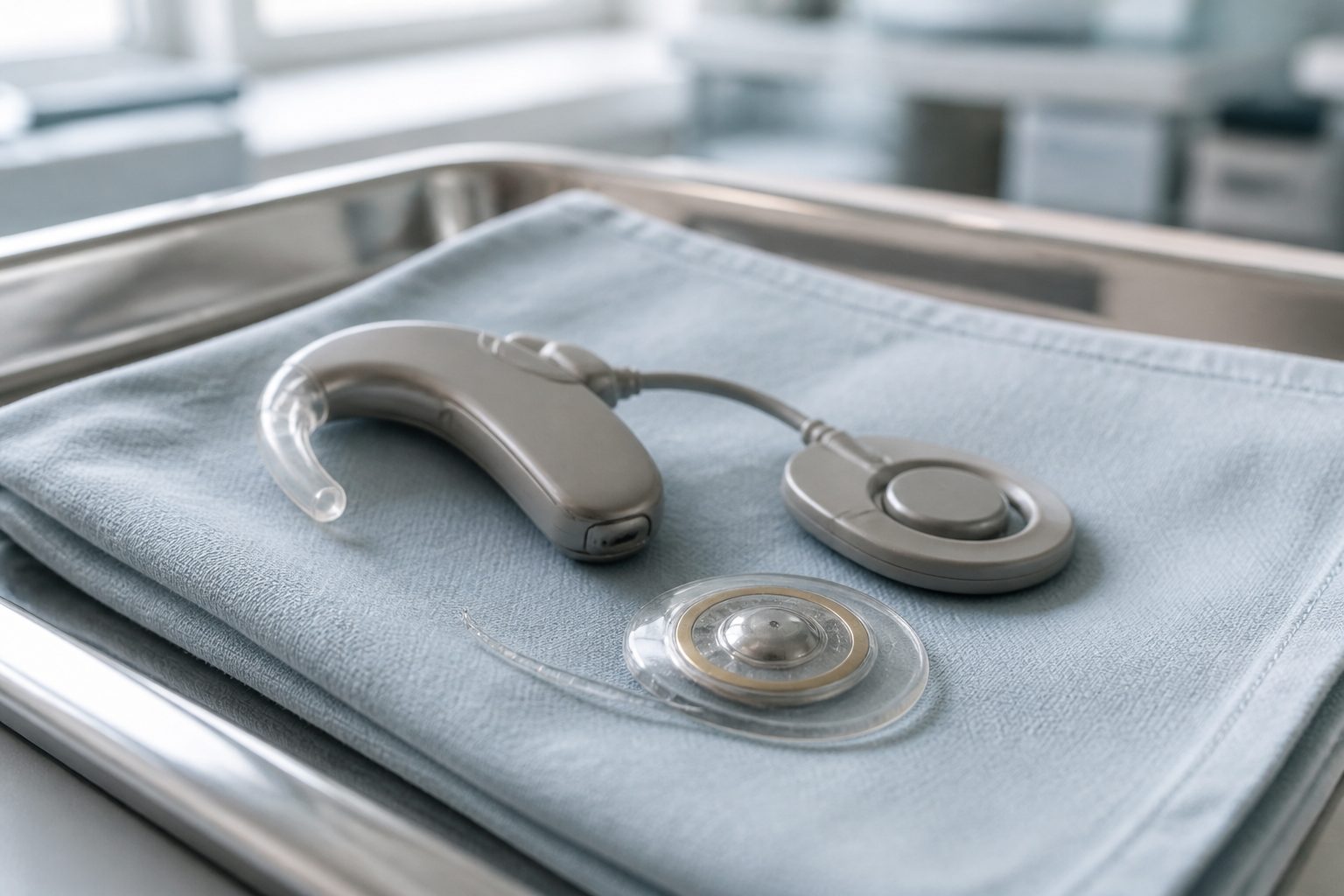
The headline cost for cochlear implant surgery is often more inclusive than many patients expect, but there are important variations by country and hospital. In most leading centers, the main price typically covers the cochlear implant device itself—which includes both the internal implant and the external sound processor—along with the surgeon’s and anesthesiologist’s professional fees. The operating theatre and a basic hospital stay (usually 1–3 days) are also standard inclusions, as are pre-operative assessments such as basic hearing tests and imaging.
- The cochlear implant device (internal and external components): This is the single largest cost factor, with prices varying by brand and country. Some hospitals offer a choice of device brands, while others may have exclusive agreements with specific manufacturers.
- Surgeon’s and anesthesiologist’s fees: These professional fees are typically bundled into the package, but the experience level of the team may affect the price, especially in the US and UK.
- Operating theatre and hospital stay: Most packages include a standard inpatient stay of 1–3 days, but longer stays due to complications may incur extra charges.
- Pre-operative assessment and basic imaging: Basic audiology and imaging (such as X-rays or CT scans) are often included, but advanced diagnostics may be extra, especially in some Asian and European hospitals.
- Immediate post-operative care: This covers wound care, medications, and monitoring during the initial recovery phase.
- Initial device fitting and activation: The first programming session, usually 2–4 weeks after surgery, is often included in the package. This is essential for starting the hearing rehabilitation process.
However, it is crucial to confirm with your chosen hospital exactly what is included, as some important services—such as extended mapping, speech therapy, or additional hospital nights—may be billed separately. Always ask for a comprehensive written quote to understand what your investment covers and to avoid unexpected expenses later on.
What is not included: hidden and extra costs
While package prices for cochlear implant surgery may seem comprehensive, there are often significant costs that are not covered in the initial quote. These can add up quickly and should be factored into your total budget. For example, a full pre-surgery evaluation—including detailed audiology, CT/MRI imaging, and blood work—may be billed separately, especially in clinics in Turkey and Thailand. These evaluations are essential for determining candidacy and surgical planning.
- Comprehensive pre-surgery evaluation (audiology, imaging, blood tests): These assessments are sometimes excluded from the package and can cost several hundred to a few thousand dollars, depending on the country.
- Speech processor upgrades or accessories: Over time, you may need to replace the external processor, purchase waterproof accessories, or upgrade to newer technology, all of which are rarely included in the initial fee.
- Rehabilitation and speech therapy: Ongoing therapy is crucial for maximizing hearing outcomes, especially for children. Some hospitals include a few sessions, but long-term therapy is usually extra and can be costly in Western countries.
- Follow-up mapping and programming sessions: Adjusting the implant for optimal hearing (mapping) requires regular visits, which may not be included, particularly if you return home after surgery.
- Travel, accommodation, and meals: These can be a major portion of your total expense, especially if you travel with family or need to stay for several weeks.
- Extended hospital stays due to complications: If you need to stay longer than planned, daily hospital charges may apply and can be substantial in private hospitals.
- Replacement parts after warranty period: Device warranties typically last 3–5 years. After that, repairs or replacements are out-of-pocket and can be expensive.
Always request a written, itemized quote and ask specifically about likely follow-up costs, both abroad and in your home country. Inquire about the cost of mapping, device maintenance, and therapy after you return home. This information is vital for accurate budgeting and to avoid unpleasant financial surprises down the line.
Cochlear implant cost comparison table
| Country | Indicative cost (USD) | What’s usually included | Not included |
|---|---|---|---|
| India | $13,500–$22,000 (₹11–18 lakh) | Device, surgery, 1–3 day hospital stay, initial fitting | Speech therapy, processor upgrades, extended stay |
| Turkey | $18,000–$28,000 (₺580,000–900,000) | Device, surgery, 2–3 day stay, initial mapping | Rehabilitation, extra mapping, travel |
| Thailand | $25,000–$35,000 (฿900,000–1.25m) | Device, surgery, 2-day stay, activation | Speech therapy, follow-up sessions |
| South Korea | $27,000–$38,000 (₩36–50m) | Device, surgery, 2–3 day stay, activation | Speech therapy, extended rehab |
| Mexico | $27,000–$40,000 (MX$470,000–700,000) | Device, surgery, 1–2 day stay, initial fitting | Therapy, extra mapping, long-term follow-up |
| Germany | $35,000–$48,000 (€32,000–44,000) | Device, surgery, 3–5 day stay, activation, some rehab | Extended therapy, travel, upgrades |
| United Kingdom | $40,000–$55,000 (£32,000–44,000) | Device, surgery, 2–3 day stay, activation | Therapy, travel, aftercare |
| United States | $50,000–$70,000 | Device, surgery, 1–2 day stay, initial mapping | Rehab, travel, upgrades, aftercare |
What drives the price of cochlear implant surgery?
The single largest cost is the cochlear implant device itself, which can account for 40–60% of the total. Brand, model, and whether it is a single- or bilateral (both ears) implant will affect the base price. Other factors include:
- Surgeon experience and hospital reputation
- Accreditation (JCI, NABH, national standards)
- Hospital location—major cities are often more expensive
- Inclusions: length of hospital stay, post-op care, initial mapping
- Local taxes, import duties on devices
- Complexity: children, prior ear surgery, or anatomical challenges may increase costs
Bilateral implants (both ears) typically double the cost, though some centers offer a small discount for two at once. Always clarify if your quote is for one or both ears.
How to choose a hospital or clinic abroad
Selecting the right hospital or clinic for cochlear implant surgery abroad is critical for safety, outcomes, and overall experience. Start by researching how many cochlear implant procedures the center performs each year; high-volume centers often have more experienced teams and established protocols for both adults and children. Verify the credentials of the ENT surgeons—look for board certification, subspecialty training in otology or neurotology, and a strong track record with cochlear implants.
- Volume of cochlear implant procedures performed annually: Centers performing dozens or hundreds of implants yearly are more likely to have streamlined care pathways and experienced staff.
- Specialist ENT surgeons with proven implant experience: Ask for surgeon CVs, published outcomes, and patient references. Some countries, like India and Turkey, have internationally trained surgeons who regularly treat overseas patients.
- Availability of multiple device brands: Leading centers offer a choice of major brands such as Cochlear, MED-EL, and Advanced Bionics, allowing customization to your audiological needs and future support requirements.
- Comprehensive aftercare program: Ensure the hospital provides not just surgery, but also audiology, device programming (mapping), and speech therapy. Some hospitals include several months of rehabilitation, while others charge separately or refer you to local providers.
- International patient services: Look for hospitals with dedicated international departments that offer visa support, airport pickup, translation, and transparent billing in your currency. This is common in Thailand, Turkey, and India, where medical tourism is well established.
- Hospital accreditation: Choose facilities accredited by recognized bodies such as JCI (Joint Commission International), NABH (India), or national equivalents. Accreditation signals adherence to international safety and quality standards.
Ask for patient testimonials, especially those from your home country or similar circumstances. Check if the center regularly treats overseas families and how they handle post-surgery support. Some hospitals offer virtual consultations before and after surgery, making follow-up easier. Taking these practical steps will help you select a reputable center and ensure a smooth, safe experience abroad.
How to save safely on cochlear implant costs
While price is a key factor, safety and long-term outcomes matter most. Here are safe ways to reduce costs:
- Consider countries with lower device import duties (India, Turkey, Thailand)
- Opt for single-occupancy rooms only if medically necessary
- Ask if older or previous-generation devices are available at a discount
- Schedule initial assessment and surgery in one trip to reduce travel costs
- Check if follow-up mapping and therapy can be done at home
- Look for hospitals with bundled packages that include some aftercare
Never compromise on device quality or hospital accreditation to save money. The surgical procedure and long-term support are critical for success.
Planning your trip: timeline and recovery
The typical process for international patients:
- Pre-arrival: Share medical records, audiology results, and imaging for evaluation. Some hospitals require in-person assessment before final surgery date.
- Arrival: 2–3 days before surgery for final tests, surgeon consultation, and device selection.
- Surgery: 1–3 days hospital stay. Most patients can travel after 5–7 days post-op, barring complications.
- Device activation: 2–4 weeks after surgery (some centers require a second visit, others can coordinate with local audiologists).
- Rehabilitation: Ongoing speech therapy and mapping, ideally started soon after activation. Some patients stay 2–4 weeks, others return home and work with local therapists.
Plan for at least two weeks abroad if you want both surgery and initial activation at the same center. If you opt for activation at home, ensure your local audiologist is familiar with your device brand.
What to ask before booking
- Is the quoted price for one or both ears? Some clinics advertise a low price that only covers a single implant, while bilateral procedures can nearly double the cost. Clarify if you are considering one or two implants and how pricing changes accordingly.
- Which device brands and models are offered? Leading brands like Cochlear, MED-EL, and Advanced Bionics have different features and price points. Ask which models are available, their warranty terms, and if you have a choice based on your needs or insurance coverage.
- What is included in the package? Are there extra charges for pre-operative tests (audiology, imaging), mapping sessions, or extended hospital stays if complications arise? Some hospitals bundle these services, while others bill separately, which can significantly impact your total cost.
- What support is provided for international patients? Inquire about help with visas, airport transfers, language interpretation, and cultural support. Hospitals with dedicated international patient coordinators can streamline your experience and reduce stress.
- How is follow-up care and device support handled after I return home? Find out if the hospital offers remote programming, telehealth consultations, or partnerships with local audiologists for ongoing mapping and troubleshooting. This is especially important if you live far from the surgery center.
Request a detailed written quote that itemizes every service and device included. Also, clarify the hospital’s refund, cancellation, and rescheduling policies in case of visa delays, travel disruptions, or unexpected medical findings. Ask if deposits are refundable and what documentation is needed for changes. These steps will help you avoid surprises and ensure your investment is protected.
Bottom line: what to expect and how to prepare
Undergoing cochlear implant surgery is a life-changing decision and a significant financial commitment. The total cost can vary dramatically depending on the country you choose for treatment. For example, the price in the United States or United Kingdom often ranges from $30,000 to $50,000 per ear, largely due to higher device costs, surgeon fees, and hospital overhead. In contrast, countries like India, Turkey, and Thailand can offer the same surgery for $12,000 to $20,000, thanks to lower labor and facility costs, competitive device pricing, and government incentives for medical tourism.
When comparing prices, always look beyond the headline figure. Ask for a breakdown of what is included: does the quote cover the implant device, all hospital charges, surgeon and anesthesiologist fees, pre-surgery tests, and initial programming? Some countries may offer more comprehensive packages, while others may have lower base prices but add extra fees for essentials like mapping sessions or speech therapy.
Travel and accommodation are major factors as well. Budget for flights, local transport, hotel stays, and meals for yourself and any accompanying family members. In some countries, hospitals partner with nearby hotels for discounted rates or offer airport transfers and translation services for international patients.
Aftercare is a crucial part of your planning. Factor in the cost and availability of follow-up appointments, device maintenance, and rehabilitation back home. Some clinics provide remote support or partner with audiologists in your country, while others may require you to return for adjustments. To maximize both savings and outcomes, research thoroughly, communicate clearly with your chosen provider, and set aside a contingency fund for unexpected expenses. With careful preparation, families can achieve excellent hearing outcomes and significant cost savings abroad.
Frequently asked questions
How long does the whole process take for international patients?
Most international patients should plan for 2–3 weeks abroad. This allows time for pre-surgery tests, surgery, initial recovery, and (if desired) device activation. Some centers can coordinate activation with an audiologist in your home country, reducing your stay to about 7–10 days.
Can children get cochlear implants abroad?
Yes, many leading hospitals abroad have pediatric ENT and audiology teams experienced in cochlear implants for children. However, pediatric cases may require longer stays and more extensive post-surgery therapy, so plan accordingly.
Is it safe to travel soon after cochlear implant surgery?
Most patients can travel within 5–7 days after surgery, as long as there are no complications. Always follow your surgeon’s advice and ensure you have a plan for follow-up care and emergency support at home.
How often does the device need maintenance or upgrades?
The internal implant is designed to last many years, but the external processor may need upgrades every 5–7 years. Routine mapping and maintenance can be done by an audiologist familiar with your device brand, either locally or abroad.
Can health insurance or government schemes cover the cost abroad?
Some private international health insurance plans cover cochlear implants abroad, but most government schemes do not. Always confirm with your insurer and get pre-approval before booking treatment overseas.
Related guides
Disclaimer: Prices in this article are indicative and vary by hospital, device model, and patient case. Always obtain a written quote and consult a qualified ENT specialist or audiologist before making decisions about cochlear implant surgery.