
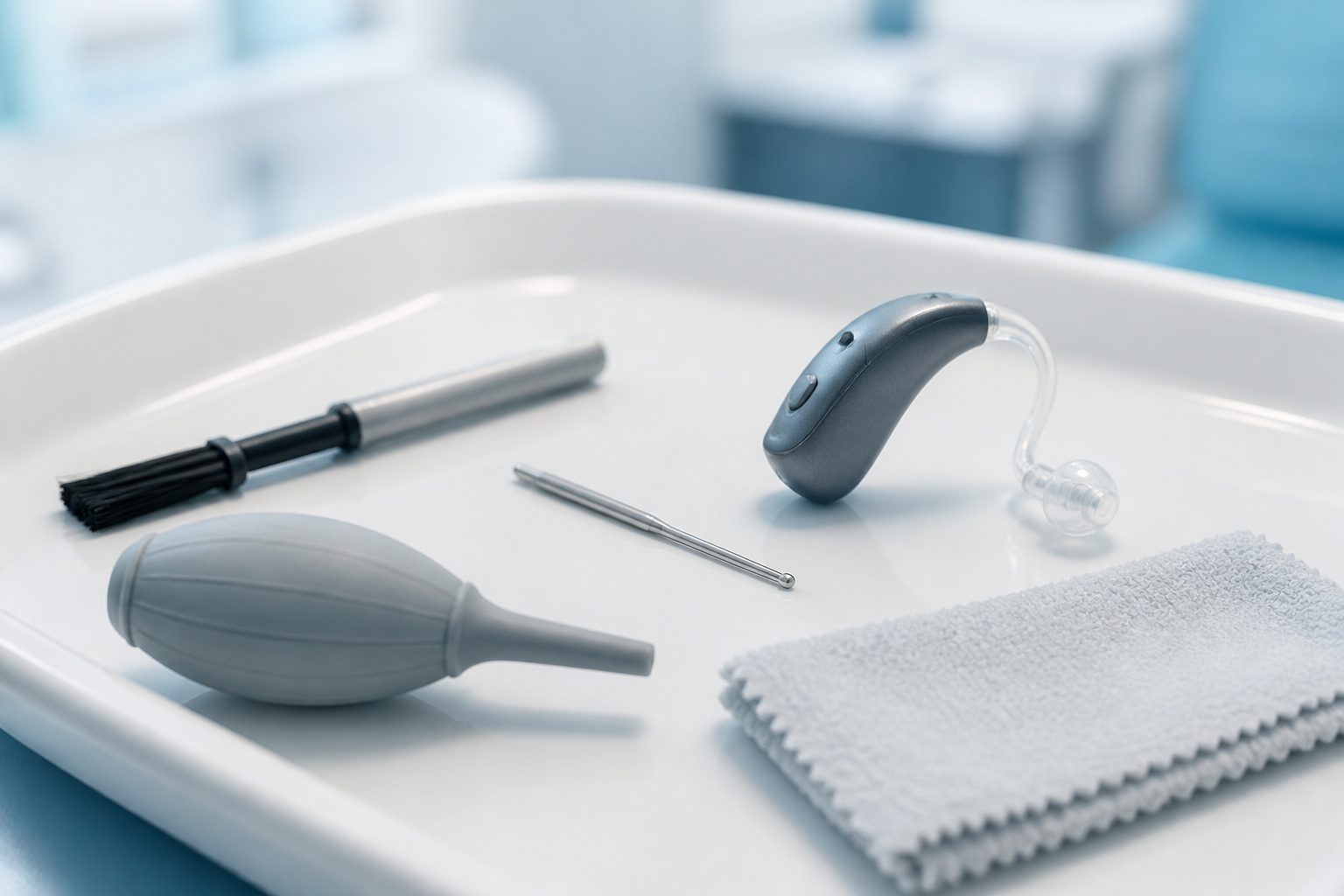
Hearing aid users in Switzerland can expect yearly maintenance charges between $150 and $500 (CHF 135–450), depending on the hearing aid model and the level of service required. These costs cover regular check-ups, cleaning, minor repairs, and software adjustments, and are a crucial part of keeping your device working optimally.
This guide is for patients and families considering hearing aid care in Switzerland—whether you live locally or are planning medical travel. We outline what’s included in typical maintenance plans, compare Swiss prices with other countries, and offer practical advice for managing costs and care.
What is included in hearing aid maintenance?
Hearing aid maintenance in Switzerland is generally provided by audiology clinics, ENT specialists, or dedicated hearing aid centers. Standard maintenance packages typically include professional device cleaning, performance checks, minor repairs (such as replacing tubing or filters), and software updates or reprogramming. Some packages also cover loaner devices if your aid needs more extensive repair. Battery replacement is sometimes included, though rechargeable devices may have different terms.
Routine maintenance is usually scheduled every six to twelve months, but users who rely heavily on their devices or have complicated fittings may require more frequent attention. Swiss clinics often recommend annual service visits to ensure the hearing aid’s longevity and optimal function. Most clinics offer both pay-as-you-go maintenance and annual service contracts, which may be more cost-effective for frequent users.
Typical hearing aid maintenance charges in Switzerland
Hearing aid maintenance costs in Switzerland are influenced by several factors, including the type of device, the clinic’s location, the complexity of your hearing aid, and the level of aftercare included in the package. Switzerland’s high cost of living and stringent healthcare standards mean that prices are generally higher than in most other countries.
- Basic check-up and cleaning: For routine appointments involving cleaning, performance checks, and minor adjustments, expect to pay between CHF 35–70 ($40–80) per session. These appointments are typically recommended every 3–6 months, depending on device usage and manufacturer guidelines.
- Annual maintenance package: Comprehensive packages, which may cover several check-ups, minor repairs, software updates, and priority support, range from CHF 135–450 ($150–500) per year. The price depends on your device’s sophistication and whether additional services like home visits or remote support are included.
- Minor repairs: Simple fixes such as replacing tubes, shells, or microphones usually cost CHF 25–90 ($30–100) per repair. More advanced repairs involving digital components or custom parts can approach the higher end of this range.
- Software updates/reprogramming: For digital or programmable aids, software adjustments and firmware updates are essential for optimal performance. These services cost CHF 55–135 ($60–150) per session, but may be bundled into annual maintenance packages for new devices.
Some Swiss clinics offer an all-inclusive maintenance plan for the first year after purchase, with annual fees kicking in thereafter. Always clarify what your initial purchase covers and whether you can access local aftercare if you live outside Switzerland. For international patients, it’s crucial to check if your home country’s clinics can honor Swiss warranties or provide compatible follow-up care, as this can affect your long-term costs and convenience.
How do Swiss maintenance charges compare internationally?
Switzerland’s hearing aid maintenance costs are high compared to global averages, reflecting the country’s overall healthcare pricing and high labor costs. However, Swiss clinics often deliver excellent service, strong aftercare, and access to advanced technology. The table below compares typical annual maintenance charges for hearing aids in Switzerland and several other countries.
| Country | Annual maintenance cost | What’s included | Extra/hidden costs |
|---|---|---|---|
| Switzerland | $150–$500 (CHF 135–450) | Professional cleaning, minor repairs, software updates, some batteries | Major repairs, lost device, out-of-contract visits |
| Germany | $100–$350 (EUR 90–315) | Annual check, cleaning, minor repairs | Batteries, major repairs |
| France | $90–$300 (EUR 80–270) | Check-ups, cleaning, some minor repairs | Software updates, batteries |
| United Kingdom | $0–$200 (GBP 0–160) | Free NHS care or private packages | Private clinics, batteries |
| United States | $150–$400 | Annual service, cleaning, minor repairs | Out-of-warranty repairs |
| India | $40–$120 (₹3,300–10,000) | Annual check, cleaning, minor repairs | Major repairs, batteries |
| Philippines | $30–$80 (₱1,700–4,500) | Check-ups, cleaning | Repairs, batteries |
| Indonesia | $25–$70 (Rp 400,000–1,100,000) | Check-ups, cleaning | Repairs, batteries, parts |
| Pakistan | $30–$90 (Rs 8,500–25,000) | Annual check, cleaning | Repairs, batteries |
| Bangladesh | $25–$70 (৳2,800–8,000) | Annual check, cleaning | Repairs, batteries |
What is not included in standard maintenance fees?
While Swiss maintenance packages are comprehensive, several important services and items are typically excluded and may result in additional charges. Understanding these exclusions is crucial for budgeting and avoiding unexpected expenses.
- Major repairs or component replacements: If your hearing aid suffers significant damage—such as a broken microphone, receiver, or circuit board—these repairs usually require a separate quote. Costs can range from CHF 100–400 ($110–440) or more, depending on the device and extent of the damage.
- Loss or theft: Standard maintenance does not cover replacement of lost or stolen devices. Since hearing aids are valuable and often not covered by basic insurance, consider purchasing a dedicated insurance policy for loss, theft, or accidental damage.
- Upgrades: If you want to switch to a newer model or add premium features like Bluetooth connectivity, rechargeable batteries, or advanced noise filtering, these are not included in maintenance contracts and must be paid for separately. Upgrade costs can be substantial, depending on the technology involved.
- Out-of-contract visits: Most maintenance plans include a set number of visits per year. If you exceed this limit, extra sessions are charged—often CHF 50–100 ($55–110) per appointment. This is particularly relevant for users who need frequent adjustments or troubleshooting.
- Batteries for non-rechargeable models: Disposable batteries are not always included in standard maintenance packages. Depending on your device and usage, battery costs can add up over time. Always confirm with your clinic whether batteries are supplied or if you need to purchase them separately.
To prevent misunderstandings, ask your clinic for a detailed, written breakdown of what your service contract covers and what it excludes. This level of clarity is especially important for international patients, who may be less familiar with Swiss healthcare practices or insurance norms.
How to save on hearing aid maintenance in Switzerland
Given Switzerland’s high labor and service costs, maintenance can add up over several years. Here are some tips for saving safely:
- Annual service contracts: Bundling services often costs less than paying per visit, especially if you need regular adjustments.
- Shop around: Compare quotes from several clinics. Some independent audiologists offer competitive pricing.
- Ask about bundled care: Some clinics include 1–2 years of maintenance in the initial device price—clarify before purchase.
- Home care: Daily cleaning and careful handling reduce the need for repairs. Ask your audiologist for safe cleaning instructions.
- Insurance: Consider coverage for accidental damage, loss, or theft—Swiss insurers may offer add-ons for hearing aids.
Avoid low-cost, unlicensed repair shops or DIY fixes, as these can damage modern digital hearing aids and void warranties.
How to choose a Swiss clinic for hearing aid maintenance
Selecting the right Swiss clinic for hearing aid maintenance involves more than just proximity or convenience. Begin by researching clinics that are accredited by reputable organizations such as the Swiss Society of Audiology (SSA) or the Swiss Federation of Hearing Aid Acousticians (SFHAA). These accreditations ensure adherence to recognized quality standards and ongoing professional development.
- Staff qualifications and experience: Ask if the clinic’s audiologists have specific training with your hearing aid brand and model. Experience with advanced or custom devices is particularly important if your device requires specialized care.
- Repair and service options: Inquire about the availability of urgent or same-day repairs, as well as the provision of loaner devices to minimize disruption during maintenance.
- Transparent pricing: Request detailed, written estimates for all services, including standard maintenance, spare parts, and potential extra charges. Look for clinics that offer clear service contracts outlining what is and isn’t included.
- Language support: Many Swiss clinics cater to international patients, offering consultations in English, French, German, and Italian. Confirm that your preferred language is supported for both in-person and remote communications.
- International and remote support: If you are visiting Switzerland for treatment, prioritize clinics with experience serving medical travelers. Some offer tele-audiology services for follow-up care after you return home, which can be invaluable for ongoing support.
Take the time to read patient reviews, compare service offerings, and reach out to clinics with specific questions about their maintenance protocols and client support. This thorough approach will help you find a clinic that meets both your technical and personal needs.
Hidden costs and what to watch for
Despite Switzerland’s reputation for transparency, there are several potential hidden costs in hearing aid maintenance that both local and international patients should be aware of. These extra charges can significantly increase your overall expenditure if not anticipated in advance.
- Consultation fees: Many clinics separate the cost of the audiologist’s time from the actual maintenance work, particularly for visits outside of a service contract. This can add CHF 50–120 ($55–130) per session, especially for complex troubleshooting or second opinions.
- Spare parts: Essential components such as microphones, receivers, domes, and custom earmolds are often not included in routine maintenance packages. Replacement of these parts can cost anywhere from CHF 30 to CHF 200 ($35–220), depending on the part and model.
- Shipping and logistics: If your device requires manufacturer-level repairs, you may be responsible for courier fees, express shipping, or insurance during transit. These costs can be particularly high if international shipping is involved, sometimes exceeding CHF 100 ($110).
- VAT and tax differences: While Swiss prices typically include the national VAT (currently 8.1%), always confirm whether your quote is net or gross, especially if you are arranging payment from abroad or through insurance. Unexpected tax adjustments can affect your final bill.
To avoid surprises, always request a comprehensive, written quote before agreeing to any maintenance plan. Clarify which services, parts, and follow-up visits are included, and ask for an itemized breakdown of possible extra charges. This proactive approach is especially important for international patients, who may face additional administrative or translation fees. Being thorough now will help you avoid unexpected costs later.
Planning your hearing aid care as an international patient
If you are traveling to Switzerland for hearing aid fitting or maintenance, plan your schedule carefully. Most clinics can provide maintenance within a day or two, but major repairs or parts orders can take longer. Confirm appointment availability before your trip. Bring your device’s specifications and warranty details, as well as a summary of past service records. If you are combining hearing aid care with other ENT or dermatology appointments, ask if your clinic can coordinate services.
Some Swiss clinics offer remote support for software adjustments after you return home, which can reduce the need for follow-up visits. If you will need ongoing maintenance, ask your home country provider if they can service your Swiss-purchased device, or consider a global warranty plan from the manufacturer.
Bottom line: Is Swiss hearing aid maintenance worth the cost?
Switzerland is recognized for its exceptional healthcare standards, and hearing aid maintenance is no exception. Swiss clinics and audiologists are renowned for their expertise, often holding advanced certifications and regularly updating their skills with the latest technology. Maintenance services in Switzerland typically include comprehensive diagnostic checks, precise cleaning, firmware updates, and professional fitting adjustments—services that are especially valuable for users of advanced digital or programmable hearing aids.
The costs, however, are notably higher than in most other countries. Factors contributing to these higher prices include the elevated cost of living in Switzerland, the use of high-end diagnostic equipment, and the employment of highly trained staff. For a basic maintenance session, you might pay two to three times what you would in neighboring countries like France, Germany, or Italy. However, Swiss clinics often provide added value through same-day repairs, extended warranties, and personalized aftercare, which can be crucial for those relying on their devices daily.
For Swiss residents, the investment can be justified by the reliability and peace of mind that comes with top-tier service. International patients should carefully compare the Swiss offering with options at home, factoring in travel costs, insurance coverage, and the potential for remote follow-up care. If you have a complex hearing aid model, require urgent or specialized attention, or value seamless, multilingual support, the Swiss approach can be especially worthwhile. Ultimately, the decision should balance your medical needs, budget, and expectations for service quality.
Frequently asked questions
How often should I have my hearing aid serviced in Switzerland?
Most Swiss clinics recommend annual maintenance for standard users and twice-yearly check-ups for those with advanced devices or complex fittings. Regular care helps prevent breakdowns and keeps your device performing at its best.
Is hearing aid maintenance covered by Swiss health insurance?
Basic Swiss health insurance covers part of the cost of hearing aids, but maintenance fees are usually the patient’s responsibility. Some supplemental policies or disability insurance may reimburse certain services—check with your provider.
Can I get my Swiss-purchased hearing aid serviced abroad?
Many major hearing aid brands have international service networks, but local clinics may charge different rates or have limited access to Swiss-specific models. Always check compatibility and warranty coverage before traveling.
Are batteries included in Swiss maintenance packages?
Batteries for non-rechargeable models are sometimes included in maintenance contracts, but not always. Clarify with your clinic and consider buying batteries in bulk for cost savings.
What if my hearing aid needs a major repair or replacement?
Major repairs, such as replacing internal components, are usually not included in standard maintenance fees. Clinics will provide a separate quote, and you may want to consider insurance for costly repairs or device replacement.
Related guides
Disclaimer: Prices in this article are indicative and may vary by clinic, device model, and individual case. Always request a written quote and consult a qualified audiologist or ENT specialist before making any decisions about hearing aid maintenance or repair.