
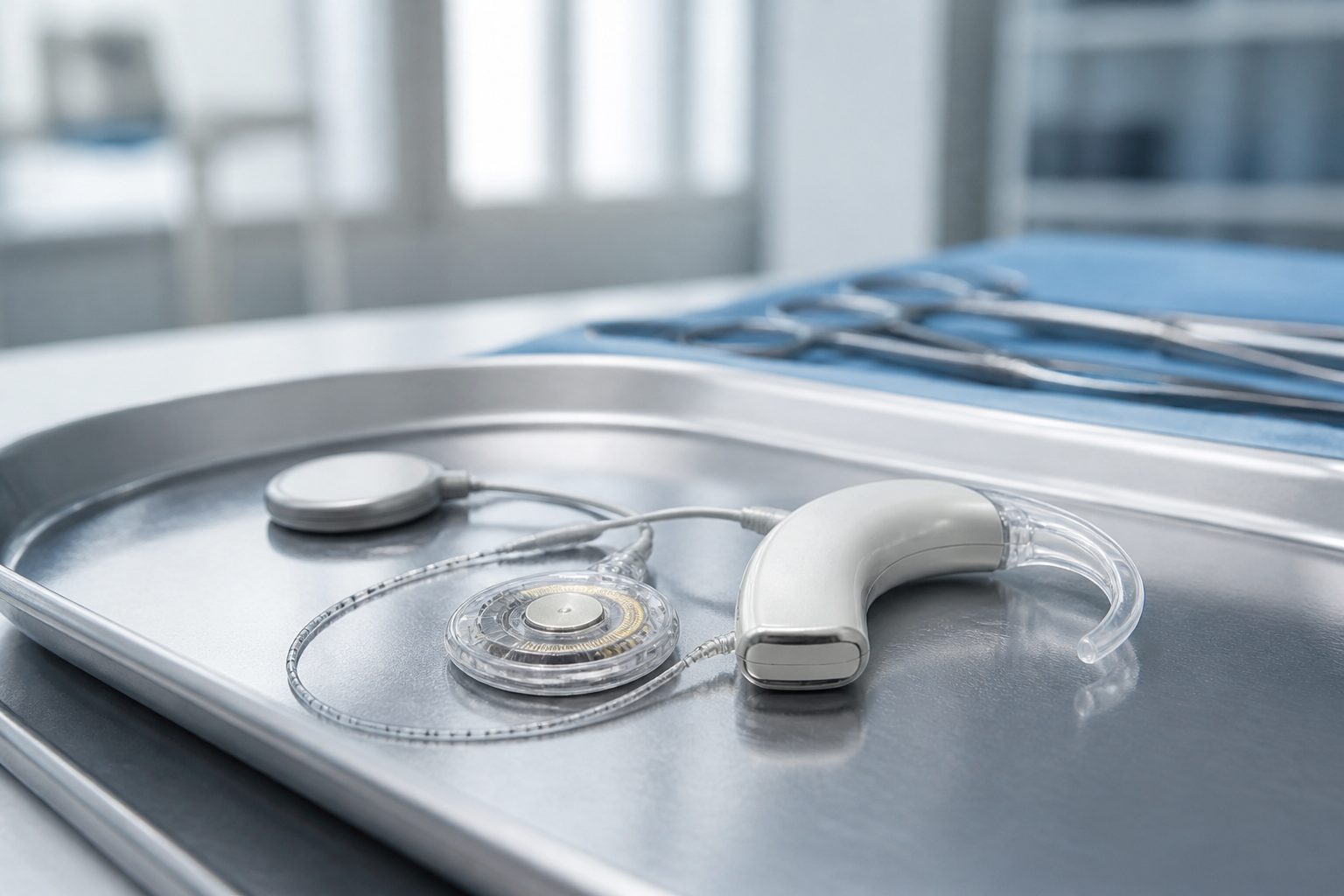
Patients seeking hearing implants in Poland can expect costs between $12,000 and $22,000 (PLN 48,000–88,000), depending on the type of device, the hospital, and the complexity of the procedure. This guide explains what influences these prices, what’s typically included, and what to consider when planning treatment.
This information is for patients and families comparing hearing implant options in Poland, especially those from abroad. It covers cost breakdowns, what to expect at leading clinics, and practical advice for budgeting and planning your trip.
Hearing implant price ranges in Poland
Hearing implant surgery in Poland is recognized for its affordability and quality, but the actual price you pay depends on several key factors, including the type of implant, brand, hospital location, and the complexity of your individual case. The three main categories of hearing implants available in Poland are cochlear implants, bone-anchored hearing aids (BAHA), and middle ear implants, each with its own price range and considerations.
Cochlear implants are the most common type and generally cost between $13,500 and $22,000 (PLN 54,000–88,000). This price typically covers the implant device, surgeon’s fees, hospital stay, initial programming, and basic aftercare. Costs can be higher for advanced models, bilateral implantation (both ears), or if specialized electrode arrays are needed for complex cases.
Bone-anchored hearing aids (BAHA) are another popular option, especially for patients with conductive hearing loss or single-sided deafness. These devices range from $12,000 to $17,000 (PLN 48,000–68,000), with prices influenced by the brand, any required bone surgery, and the inclusion of accessories or upgrades.
Middle ear implants are less commonly performed but are available at select centers. They typically cost around $15,000 to $20,000 (PLN 60,000–80,000). These prices may rise if the procedure is more complex or if extended hospital stays and specialized follow-up care are needed.
Additional expenses can arise for patients with unique anatomical challenges, previous ear surgeries, or those who require extra diagnostic workups. International patients should also account for travel, accommodation, and potential translation services. While Polish clinics offer excellent value, always request a personalized quote that reflects your specific medical and logistical needs before proceeding.
What’s included in the quoted price
When you receive a quote for hearing implant surgery in Poland, it’s important to understand exactly what is covered. Most established Polish hospitals and clinics offer comprehensive packages designed to make the process straightforward for both domestic and international patients. However, the scope of what’s included can vary, so always review the details carefully.
- Implant device and processor: The cost of the internal implant and the external sound processor is typically included. Leading brands such as Cochlear, MED-EL, and Oticon are commonly offered, but prices can differ based on model and manufacturer.
- Surgical team and operating room: Fees for the surgeon, anesthesiologist, nurses, and use of the operating theatre are generally bundled into the quoted price.
- Hospital stay: Most packages include a standard hospital stay of 1–3 nights, covering your room, meals, and basic nursing care during recovery.
- Initial activation and programming: The first device activation and one or two programming (“mapping”) sessions are typically part of the package. These are crucial for setting up your implant and ensuring optimal hearing results.
- Standard preoperative tests: Basic blood tests and audiological assessments are often included, but advanced imaging (like CT or MRI) may be extra unless specified.
However, there are several costs that may not be included in the initial quote, and these can add up over time:
- Additional mapping sessions: After the initial activation, further programming visits may be necessary, especially in the first year. These are sometimes charged separately.
- Upgrades and accessories: Replacement parts, upgraded processors, or optional accessories (such as waterproof covers or wireless streaming devices) are not typically included and can be expensive.
- Interpreter services and extra hospital nights: International patients may require language support or longer stays, both of which can incur additional fees.
- Travel and accommodation: Costs for you and your companions—such as flights, local transport, hotels, and meals—are not included in medical quotes and should be budgeted for separately.
To avoid misunderstandings, always request a detailed written quote that outlines exactly what is and isn’t included, especially if you are arranging your care from abroad. This will help you plan effectively and ensure there are no surprises during your treatment journey.
Types of hearing implants and how they affect price
The main types of hearing implants offered in Poland are cochlear implants, bone-anchored hearing aids (BAHA), and middle ear implants. Each type serves a different hearing loss profile and involves different devices and surgical techniques.
- Cochlear implants: Suitable for severe to profound sensorineural hearing loss, these devices bypass damaged parts of the inner ear. Prices are higher due to the device cost and surgical complexity.
- BAHA: Used for conductive or mixed hearing loss, as well as single-sided deafness. The device is anchored to the skull, and surgery is less invasive, often resulting in lower costs.
- Middle ear implants: For moderate to severe sensorineural hearing loss when hearing aids are not effective. These are less common and can be more expensive due to device price and fewer surgeons offering the procedure.
Device brand (Cochlear, MED-EL, Oticon Medical, Advanced Bionics) also influences price. Some hospitals offer a choice of brands with different feature sets and costs.
Cost comparison: Poland and other countries
Poland is generally more affordable than Western Europe or the US, while providing high standards of care. Here’s how typical hearing implant costs compare across selected countries:
| Country | Cochlear implant cost | BAHA cost | Middle ear implant cost | What’s included |
|---|---|---|---|---|
| Poland | $13,500–$22,000 (PLN 54,000–88,000) | $12,000–$17,000 (PLN 48,000–68,000) | $15,000–$20,000 (PLN 60,000–80,000) | Device, surgery, hospital stay, activation |
| Germany | $28,000–$45,000 (€26,000–€42,000) | $19,000–$28,000 (€17,000–€26,000) | $24,000–$32,000 (€22,000–€29,000) | Device, surgery, hospital, follow-up |
| UK (private) | $29,000–$39,000 (£23,000–£31,000) | $16,000–$22,000 (£13,000–£18,000) | $21,000–$27,000 (£17,000–£22,000) | Device, surgery, aftercare |
| USA | $35,000–$65,000 | $20,000–$35,000 | $28,000–$45,000 | Device, surgery, mapping (varies) |
| India | $11,000–$18,000 (₹9.1–15 lakh) | $8,000–$14,000 (₹6.6–11.5 lakh) | $12,000–$16,000 (₹10–13.1 lakh) | Device, surgery, some aftercare |
| Turkey | $13,000–$20,000 | $11,000–$16,000 | $14,000–$18,000 | Device, surgery, hospital stay |
| Thailand | $14,000–$22,000 (฿480,000–756,000) | $10,000–$16,000 (฿342,000–547,000) | $13,000–$19,000 (฿445,000–650,000) | Device, surgery, basic aftercare |
| Australia | $27,000–$35,000 (A$40,000–52,000) | $19,000–$25,000 (A$28,000–37,000) | $21,000–$28,000 (A$31,000–42,000) | Device, surgery, hospital, mapping |
Poland’s costs are mid-range globally, offering good value for those seeking European standards at a lower price point. Note that aftercare and mapping may be bundled or charged separately, depending on the hospital.
What drives hearing implant prices in Poland
Several factors influence hearing implant prices in Poland:
- Type of implant: Cochlear implants are more expensive than BAHA or middle ear devices due to device complexity and surgery time.
- Device brand and model: Premium or newest-generation devices cost more, especially if they have advanced features or connectivity options.
- Hospital or clinic: Private hospitals in major cities (Warsaw, Kraków, Gdańsk) may charge more than regional centers. International patient services can also add to the price.
- Surgeon’s experience: Highly experienced ENT surgeons or those with international training may charge higher professional fees.
- Patient’s medical needs: Cases requiring custom programming, revision surgery, or treatment of additional ear conditions can increase the cost.
- Length of hospital stay: Most patients stay 1–3 nights, but longer stays for medical monitoring or recovery will increase the bill.
Device costs make up 60–70% of the total price. The remainder covers hospital, surgeon, and aftercare fees.
How to choose a hospital or clinic in Poland
When selecting a hospital for hearing implants, consider:
- Experience with your implant type: Choose centers with a high volume of cochlear or BAHA implant surgeries and a dedicated audiology team.
- International accreditation: Some Polish clinics have JCI or ISO accreditation, indicating adherence to international standards.
- Aftercare and programming: Opt for clinics that offer comprehensive post-surgery support, including mapping and device troubleshooting.
- Language support: For international patients, English-speaking staff and interpreter services are a plus.
- Transparent pricing: Reputable clinics provide detailed written quotes and clear information about what is included.
Patient forums and reviews can provide insights, but always verify details directly with the hospital before committing.
Hidden and extra costs to watch out for
When considering a hearing implant procedure in Poland, it’s important to look beyond the headline price. While most reputable Polish hospitals and clinics are transparent about the main surgical and device fees, there are several additional costs that can catch patients by surprise—especially for international visitors or those with complex medical needs. Some of these costs are routine, while others depend on your personal circumstances and the clinic’s policies.
- Preoperative consultations and testing: Not all clinics bundle the costs of initial ENT consultations, audiological assessments, or required imaging (such as CT or MRI scans) and blood work into their package price. These tests are essential for surgical planning and can add several hundred to a few thousand PLN to your total bill if billed separately.
- Interpreter or concierge services: Non-Polish speakers may need professional interpreters or patient coordinators, especially during consultations and hospital admission. Some clinics charge extra for these services, with fees varying by language and duration.
- Postoperative mapping and follow-up: While the first one or two programming (“mapping”) sessions are usually included, additional sessions for fine-tuning your device can incur extra charges. These are important for maximizing hearing outcomes, especially in the first year.
- Replacement parts and upgrades: Over time, you may need new batteries, cables, or even an upgraded external processor. These costs are not included in the initial package and can range from modest (for batteries) to several thousand PLN for new processors or major accessories.
- Travel, visas, and accommodation: International patients should budget for flights, train tickets, visa fees (if applicable), and hotel stays for themselves and any companions. Costs can vary widely depending on the season, location, and length of stay.
To avoid unexpected expenses, always request a comprehensive, itemized quote from the hospital or clinic. Ask specifically about what is and isn’t covered, and inquire about any services you may require as a foreign patient, such as language support or extended aftercare. This proactive approach will help you plan your budget accurately and avoid financial surprises during your treatment journey.
How to save safely on hearing implants in Poland
While hearing implant surgery in Poland is already more affordable than in many Western countries, there are several effective strategies to further reduce costs without compromising safety or treatment quality. The key is to focus on smart choices and careful planning, rather than simply seeking the lowest available price.
- Explore regional hospitals: Facilities outside major cities like Warsaw or Kraków—such as in Poznań, Lublin, or Gdańsk—often offer lower prices due to reduced overheads, but still maintain high medical standards and experienced staff. Research hospital accreditation and patient reviews to ensure quality.
- Ask about device options: Some clinics offer a range of implant brands and models. While the latest models from leading manufacturers may offer advanced features, older generations or less well-known brands can be significantly more affordable and still provide excellent hearing outcomes. Discuss these options with your surgeon to find the best balance between cost and performance.
- Bundle services for discounts: Many Polish hospitals offer package deals that include preoperative assessments, surgery, and a set number of postoperative mapping sessions. Bundling can reduce the overall price and simplify billing. Always confirm what is included in the package and negotiate for additional services if needed.
- Seek transparent pricing: Choose clinics with clear, upfront pricing and a reputation for honesty. Avoid providers that cannot provide a detailed written quote or who add unexpected fees late in the process.
- Travel off-peak: Accommodation and travel costs in Poland vary by season. Scheduling your procedure outside peak tourist times (spring and summer) can result in significant savings on hotels and flights.
Above all, never compromise on safety or expertise for the sake of saving money. Verify your surgeon’s credentials, check the clinic’s experience with your chosen implant device, and ensure that aftercare is included. By combining these strategies, you can achieve excellent hearing outcomes at a fair and manageable cost.
Frequently asked questions
How long will I need to stay in Poland for a hearing implant?
Most patients stay in Poland for 7–10 days. This includes preoperative tests, surgery, and initial recovery. Some clinics recommend returning for follow-up mapping sessions a few weeks later, or you may arrange this in your home country depending on the device.
Can international patients access hearing implants in Polish public hospitals?
Public hospitals in Poland prioritize Polish citizens and residents under the national health system. International patients typically use private hospitals or clinics, paying out-of-pocket or through private insurance. Some clinics offer packages tailored for medical tourists.
What is the warranty on hearing implant devices in Poland?
Most implant manufacturers offer a 2–5 year warranty on the external processor and a longer (often lifetime) warranty on the implanted device. Check with your hospital and device brand for specifics, and ask about local support for repairs or replacements.
Are there age restrictions for cochlear implants in Poland?
Polish clinics follow international guidelines. Implants are offered to children as young as 12 months and to adults with severe hearing loss who meet candidacy criteria. Each case is assessed individually with thorough testing and counseling.
Will my insurance cover hearing implants in Poland?
International patients should check with their insurer. Some private or employer health plans may reimburse overseas surgery if pre-approved. Always obtain written confirmation and clarify what documentation you’ll need from the hospital.
The bottom line
Poland has become a sought-after destination for hearing implant surgery, largely due to its competitive pricing, high medical standards, and experienced specialists. Compared to Western European countries like Germany, the UK, or France, or to the United States, the cost of hearing implants in Poland can be dramatically lower—often by 30–50% or more. This price advantage is driven by a combination of lower labor costs, hospital overheads, and favorable currency exchange rates for foreign patients.
The main factors influencing your final price are the type and brand of implant (with international brands like Cochlear, MED-EL, and Oticon often costing more), the reputation and location of the hospital (major cities like Warsaw or Kraków may charge higher fees), and the complexity of your specific case (such as the need for specialized surgical techniques or extended aftercare). Experienced clinics with a strong track record in hearing implants may charge a premium, but this often translates into better outcomes and fewer complications.
To ensure a safe and satisfactory experience, prioritize clinics with transparent, comprehensive pricing and a clear aftercare plan. Always request a detailed written quote and ask for clarification on what is included—such as follow-up mapping sessions, device warranties, and support services. Remember, hearing implant surgery is a significant investment in your quality of life, so focus on value and expertise, not just the lowest price.
Related guides
Disclaimer: The prices and information in this guide are for general reference only and can vary depending on hospital, device choice, and individual medical needs. Always consult a qualified ENT specialist and obtain a personalized, written quote before committing to surgery.