
This guide compares ENT (Ear, Nose, and Throat) consultation fees in Singapore, the UAE, and Bangladesh. Whether you need specialist advice for sinus issues, hearing loss, allergies, or skin conditions like eczema or vitiligo, understanding the cost and what’s included can help you plan and avoid surprises.
Expect to pay $12-$120 for an initial ENT consultation, depending on the country and clinic. We explain what’s included, common extra charges, and how to find quality, affordable care for ENT, skin, hearing, and allergy issues.
What an ENT consultation covers
An ENT consultation is a focused medical appointment designed to evaluate and manage disorders related to the ear, nose, throat, and adjacent structures such as the sinuses, larynx, and facial skin. The process usually begins with a thorough review of your medical history, including any previous treatments, surgeries, or family history of ENT-related conditions. The specialist will ask detailed questions about your symptoms—such as duration, severity, associated factors, and any impact on daily life—to narrow down possible causes.
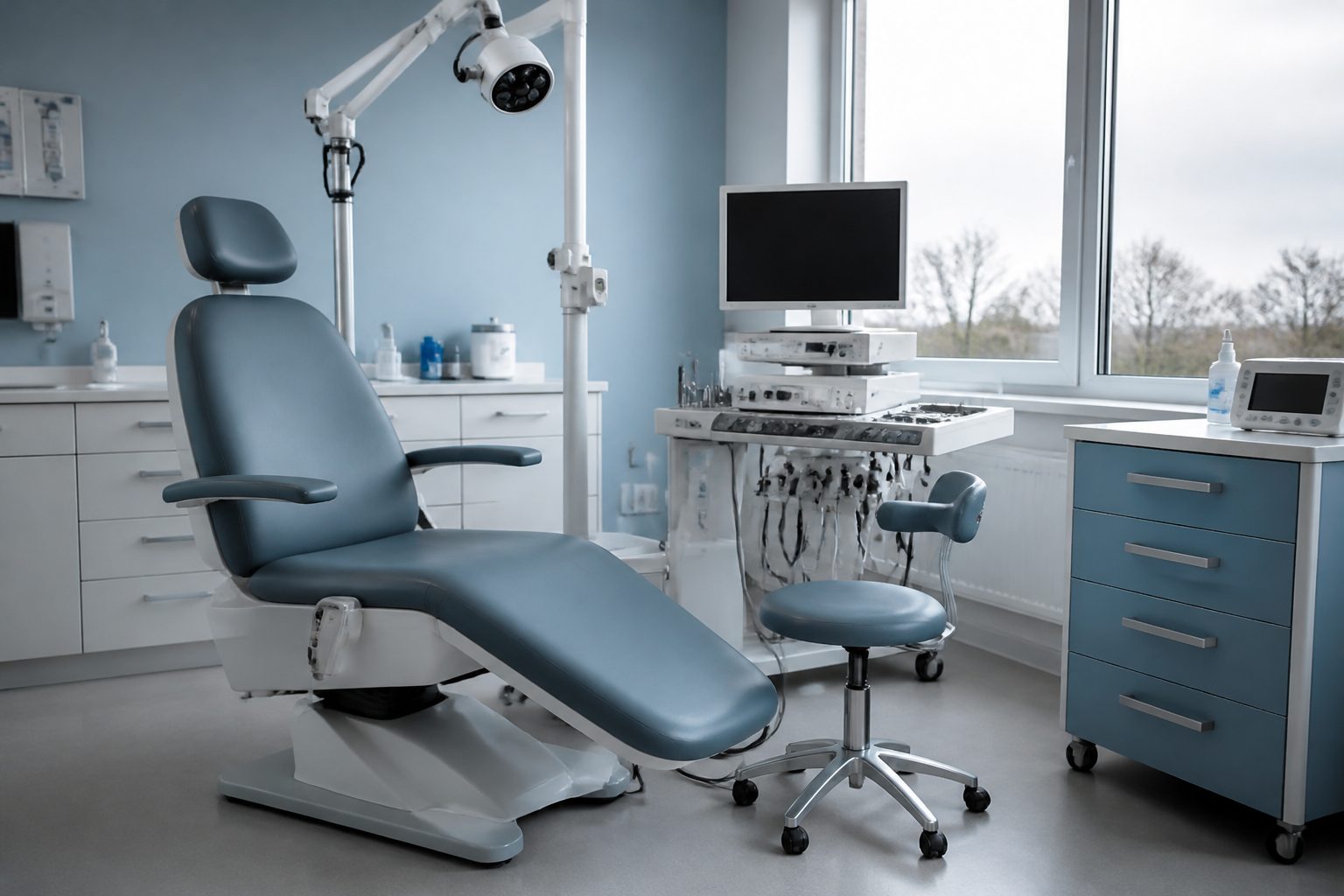
The physical examination is customized to your complaints. ENT doctors use specialized instruments: an otoscope for ear inspection, a nasal speculum or endoscope for the nose and sinuses, and a laryngoscope for the throat and vocal cords. In Singapore and the UAE, clinics often have advanced equipment for video endoscopy, while in Bangladesh, the range of technology may vary between public and private settings. The consultation may also include basic hearing tests, voice assessment, or allergy evaluation as indicated.
The standard consultation fee covers the doctor’s evaluation and the basic examination. However, most clinics and hospitals charge extra for further investigations, such as audiometry (hearing assessment), imaging (X-rays, CT, or MRI scans), allergy skin prick tests, or minor in-office procedures like ear wax removal or nasal cautery. Prescription medications, if needed, are also billed separately. If your diagnosis requires surgery, hearing aids, or treatments for skin disorders, these are not included in the initial fee and can be substantial, especially in private-sector or internationally accredited hospitals. To avoid unexpected expenses, always clarify beforehand what is included in the consultation and what services will incur additional charges. In some countries, insurance may cover part or all of these costs, so check your policy details in advance.
Typical ENT issues and who needs these consultations
ENT (Ear, Nose, and Throat) specialists, also known as otolaryngologists, are trained to diagnose and manage a broad spectrum of conditions affecting the head and neck. Some of the most common problems they address include:
- Sinusitis and nasal congestion: Persistent stuffiness, facial pain, or pressure that may not respond to over-the-counter remedies.
- Tonsillitis and throat infections: Frequent sore throats, difficulty swallowing, or recurrent infections, especially in children and young adults.
- Hearing loss, tinnitus, and ear infections: Gradual or sudden hearing decline, ringing in the ears, or repeated ear pain, which can affect all age groups but is particularly concerning in children and the elderly.
- Balance disorders (vertigo): Dizziness or unsteadiness, often stemming from inner ear issues, can severely impact quality of life and increase fall risk in older adults.
- Allergic rhinitis and other allergies: Chronic sneezing, runny nose, or nasal itching that disrupts daily activities and sleep.
- Snoring and sleep apnea: Loud, disruptive snoring or documented pauses in breathing during sleep, which can lead to daytime fatigue and cardiovascular risks.
- Skin conditions affecting the face or neck: Issues such as psoriasis, vitiligo, eczema, or acne that may require specialist input for accurate diagnosis and advanced therapies.
People who should seek an ENT consultation include those with symptoms that are persistent, worsening, or not responding to standard treatments from a general practitioner. For example, if a child has more than five throat infections in a year, or if an adult experiences unexplained hearing loss or severe vertigo, early specialist assessment is crucial. In countries like Singapore and the UAE, patients often access ENT care directly, while in Bangladesh, a referral from a primary care doctor may be needed for public hospitals. Early intervention by an ENT specialist can prevent complications such as chronic infections, irreversible hearing damage, or the need for emergency interventions. Additionally, those with a family history of ENT cancers or who work in noisy environments should consider periodic check-ups. Understanding when to seek specialist care is essential for both effective treatment and cost control, as delayed management can lead to more complex and expensive interventions later.
ENT consultation fees in Singapore, UAE, and Bangladesh
Consultation fees depend on the country, clinic type (private or public), and the doctor’s experience. Singapore and the UAE generally have higher fees than Bangladesh, but may offer more advanced facilities and shorter wait times. Below is a comparison of typical fees for an initial specialist consultation:
| Country | ENT Consultation Fee | Public/Private Sector | What’s Included |
|---|---|---|---|
| Singapore | $70-$120 (SGD 95-165) | Private | Consultation, basic examination |
| Singapore | $30-$60 (SGD 40-80) | Public (subsidised) | Consultation, basic examination |
| UAE | $60-$100 (AED 220-370) | Private | Consultation, basic examination |
| Bangladesh | $12-$35 (৳1,300-3,800) | Private | Consultation, basic examination |
| Bangladesh | $2-$5 (৳220-550) | Public (government) | Consultation, basic examination |
What is and isn’t included in the consultation fee
The standard consultation fee covers the doctor’s assessment and a routine examination. However, many patients need additional services that are not included in the base fee. Examples of extra charges:
- Diagnostic tests: Hearing tests, nasal endoscopy, allergy skin prick tests, blood tests, and imaging (X-ray, CT, MRI) are billed separately. Costs range from $15 for a basic hearing test in Bangladesh to $200+ for advanced imaging in Singapore or the UAE.
- Minor procedures: Ear cleaning, foreign body removal, or nasal cautery can cost $10-$50 extra in Bangladesh, and $40-$150 in Singapore/UAE.
- Medications: Prescription drugs or topical treatments for skin/ENT issues are not included. Prices depend on the medication and duration.
- Follow-up consultations: These are usually charged at a slightly lower rate than the initial visit, but not always.
Always ask for a clear breakdown of expected costs before agreeing to tests or procedures. Some clinics offer package rates for common conditions or pre-surgical assessments, which can save money.
Hidden costs and common extras
The advertised price for an ENT consultation often does not reflect the total amount you may end up paying. Several hidden costs and common extras can significantly increase your bill, especially in private clinics or international hospitals in Singapore and the UAE. Here are the main additional expenses to watch for:
- Hospital registration or administrative fees: These are standard in many private and some public hospitals, ranging from $5 to $20 per visit in Singapore or the UAE. These fees cover paperwork, medical records processing, and facility maintenance.
- Consumables and disposables: If your visit involves endoscopy, nasal suction, or other minor procedures, you may be charged separately for single-use instruments and protective equipment. These costs can add $10–$50 to your bill, depending on the procedure and clinic policy.
- Specialist referrals: ENT problems sometimes require input from additional specialists, such as dermatologists for skin lesions, audiologists for hearing assessments, or speech therapists. Each extra consultation usually incurs its own fee, which can range from $30 in Bangladesh to over $100 in Singapore’s private sector.
- Translation or international patient services: Large hospitals catering to expatriates and medical tourists, especially in Singapore and the UAE, may charge extra for language interpretation, medical report translation, or dedicated international patient coordinators. These fees can be $20–$100, depending on the level of service.
In Bangladesh, while basic consultation fees are lower, some private clinics may recommend extra tests or procedures, sometimes unnecessarily, to increase revenue. Always ask your doctor to explain the purpose and necessity of each suggested test or treatment. It is wise to request an itemized estimate before agreeing to additional services, and to check if your health insurance covers any of these extras. Understanding these potential add-ons helps you avoid surprise bills and make informed choices about your care.
Comparing ENT care quality and accreditations
The quality of ENT care varies between countries and clinics. Singapore and the UAE have several JCI-accredited hospitals and clinics with international standards, advanced diagnostic facilities, and English-speaking staff. Bangladesh has a growing number of private hospitals with good ENT departments, but only a few are internationally accredited. In all three countries, large public hospitals treat a high volume of cases and can be suitable for straightforward problems, though wait times may be longer.
When choosing a clinic or hospital, consider:
- Doctor’s qualifications and experience
- Availability of advanced diagnostics and treatment options
- Cleanliness and infection control
- Language support and international patient services
- Clear, transparent billing and package pricing
For complex ENT or skin/allergy issues, or for surgery, international patients often prefer accredited centres in Singapore or the UAE, despite higher fees.
How to save on ENT and allergy care
There are several ways to keep costs manageable while still receiving quality care:
- Start with public or teaching hospitals: In Singapore and Bangladesh, subsidised clinics offer much lower fees for residents. International patients may pay higher rates but can still find value in government or university hospitals.
- Use package deals: Some clinics bundle consultation, basic tests, and minor procedures for a fixed fee, which can be more economical if you need several services.
- Ask about teleconsultation: Initial advice or follow-up can sometimes be provided by video call at a reduced rate, especially in Singapore and the UAE.
- Get second opinions before major procedures: For surgery or expensive treatments, a second opinion can confirm necessity and may reveal lower-cost options.
- Check insurance or employer coverage: In the UAE and Singapore, some private insurance plans cover specialist consultations and basic ENT procedures.
In Bangladesh, out-of-pocket costs are lower, but it’s wise to choose established clinics to avoid unnecessary tests or treatments.
ENT, hearing, and allergy procedures: what they cost
When an ENT consultation leads to further treatment or procedures, the costs can rise rapidly, varying substantially between Singapore, the UAE, and Bangladesh due to differences in healthcare infrastructure, specialist training, and facility standards. Here are some of the most common ENT and related procedures, with typical price ranges (in USD):
- Sinus surgery (FESS): In Singapore, functional endoscopic sinus surgery costs between $3,500 and $7,000, reflecting the use of advanced imaging, surgical expertise, and state-of-the-art operating rooms. In the UAE, the price is typically $2,700–$5,000, while in Bangladesh, costs are lower at $850–$1,800, often with more basic facilities.
- Tonsillectomy: Removing the tonsils can cost $2,000–$3,500 in Singapore, $1,500–$2,500 in the UAE, and $400–$900 in Bangladesh. The price depends on whether the procedure is done as a day surgery or requires hospital admission, and on the surgeon’s experience.
- Septoplasty: Correction of a deviated nasal septum is $2,800–$5,500 in Singapore, $2,000–$4,000 in the UAE, and $600–$1,200 in Bangladesh. This includes surgeon fees, anesthesia, and facility charges, but may exclude pre-operative tests and aftercare.
- Hearing aids (per ear): Digital hearing aids range from $800–$3,500 in Singapore, $700–$2,800 in the UAE, and $200–$1,200 in Bangladesh, depending on the brand, features, and after-sales support.
- Cochlear implant (unilateral): A cochlear implant, which restores hearing for severe loss, costs $25,000–$35,000 in Singapore, $20,000–$30,000 in the UAE, and $8,000–$16,000 in Bangladesh. These prices include the device, surgery, and initial programming but may not cover long-term rehabilitation or follow-up mapping sessions.
- Allergy skin prick test (panel): Testing for multiple allergens ranges from $80–$200 in Singapore, $60–$150 in the UAE, and $15–$45 in Bangladesh. The cost depends on the number of allergens tested and whether interpretation by an allergy specialist is included.
- Immunotherapy (per year): Allergy desensitization therapy costs $1,600–$2,800 in Singapore, $1,200–$2,200 in the UAE, and $350–$700 in Bangladesh. This includes regular injections or drops and periodic reviews.
Prices can vary significantly by hospital, surgeon’s reputation, and the complexity of your case. Always request a detailed, written quote before proceeding, and ask whether the amount covers all aspects of care—hospital stay, anaesthesia, medications, and follow-up visits. In Singapore and the UAE, international patients may face higher fees or additional administrative charges. If you have health insurance, check what is covered and whether pre-authorization is needed for major procedures. Comparing costs and inclusions across different clinics can help you make the best decision for both your health and your finances.
Planning your visit: practical tips for international patients
If you are travelling for ENT, skin, or allergy care, plan ahead to avoid unexpected costs and delays:
- Contact clinics in advance: Arrange appointments and request cost estimates before your trip. Many Singapore and UAE hospitals have dedicated international patient desks.
- Bring previous test results: Carry copies of recent scans, blood tests, and medical reports to avoid repeating investigations.
- Check visa and vaccination requirements: Singapore and the UAE require valid visas; Bangladesh may require a medical visa for extended stays.
- Budget for accommodation and local transport: Major hospitals are usually near hotels and public transport, but costs can add up, especially in Singapore.
- Allow time for follow-up: You may need repeat visits for test results, medication adjustments, or post-surgery checks. Plan your stay accordingly.
International patients in Singapore and the UAE usually pay higher rates than residents, but can expect modern facilities and English-speaking staff.
Bottom line: what to expect and how to choose
The cost of an ENT consultation varies widely between Singapore, the UAE, and Bangladesh, reflecting differences in healthcare systems, facility standards, and specialist training. In public hospitals in Bangladesh, you may pay as little as $12 for a consultation, making it a cost-effective choice for routine issues. However, in private clinics in Singapore, fees can reach $120 or more, especially for senior consultants or internationally recognized specialists. The basic consultation fee typically includes the doctor’s time, initial assessment, and a simple examination, but rarely covers additional services.
When planning your ENT visit, consider what is included in the quoted fee. In all three countries, diagnostic tests (such as hearing assessments, allergy tests, or imaging) and minor procedures (like ear cleaning or endoscopy) are usually billed separately. Medications, follow-up visits, or advanced interventions such as surgery, hearing aids, or immunotherapy can add significantly to your total cost. For example, a consultation for snoring that leads to a sleep study or surgery will be far more expensive than a single visit for ear wax removal.
To choose the right clinic, assess the complexity of your symptoms and your budget. For straightforward problems like mild allergies or uncomplicated infections, high-quality care is available at lower prices in Bangladesh, particularly in reputable private clinics or teaching hospitals. For complex cases requiring advanced diagnostics, surgical expertise, or international accreditation, Singapore and the UAE offer state-of-the-art facilities but at a premium. Check the credentials of your ENT specialist, ask about their experience with your specific condition, and request transparent, itemized pricing before committing to further tests or treatments. If you are an expatriate or require English-speaking services, international clinics in Singapore and the UAE may be preferable, though they tend to be more expensive. Always weigh the benefits of higher costs against the quality, convenience, and safety provided.
Frequently asked questions
How much does a first ENT consultation cost in Singapore?
In private clinics, expect to pay $70-$120 (SGD 95-165) for an initial ENT consultation. Public hospitals offer subsidised rates for citizens and residents ($30-$60), but international patients may pay higher fees. This covers the doctor’s assessment and basic examination; tests and procedures are extra.
Are ENT consultation fees in the UAE covered by insurance?
Many UAE residents have insurance that covers specialist consultations, but coverage varies by plan. International patients and those with basic plans may need to pay out of pocket. Always confirm with your insurer and the clinic before booking, as some procedures and tests are not included.
What extra costs should I expect after an ENT consultation?
Additional costs may include diagnostic tests (hearing, allergy, imaging), minor procedures, medications, and follow-up visits. These can range from $10 for simple tests in Bangladesh to several hundred dollars for advanced diagnostics in Singapore or the UAE. Always request a full estimate before proceeding.
How do I choose a good ENT clinic in Bangladesh?
Look for clinics with experienced ENT specialists, transparent pricing, and positive patient reviews. Private hospitals in major cities often have better facilities and shorter wait times. For complex cases, consider centres with advanced diagnostics and surgical capabilities. Avoid clinics that pressure you into unnecessary tests.
Can I get ENT, skin, and allergy care in the same clinic?
Many larger hospitals and specialty centres in Singapore, the UAE, and Bangladesh offer multi-specialty services, including ENT, dermatology, and allergy care. This is convenient if you have overlapping symptoms or need coordinated treatment. Always confirm which services are available before booking.
Related guides
Disclaimer: Prices in this article are indicative and may vary by hospital, doctor, and individual case. Always request a written quote and consult a qualified doctor before making decisions about medical care or travel.