
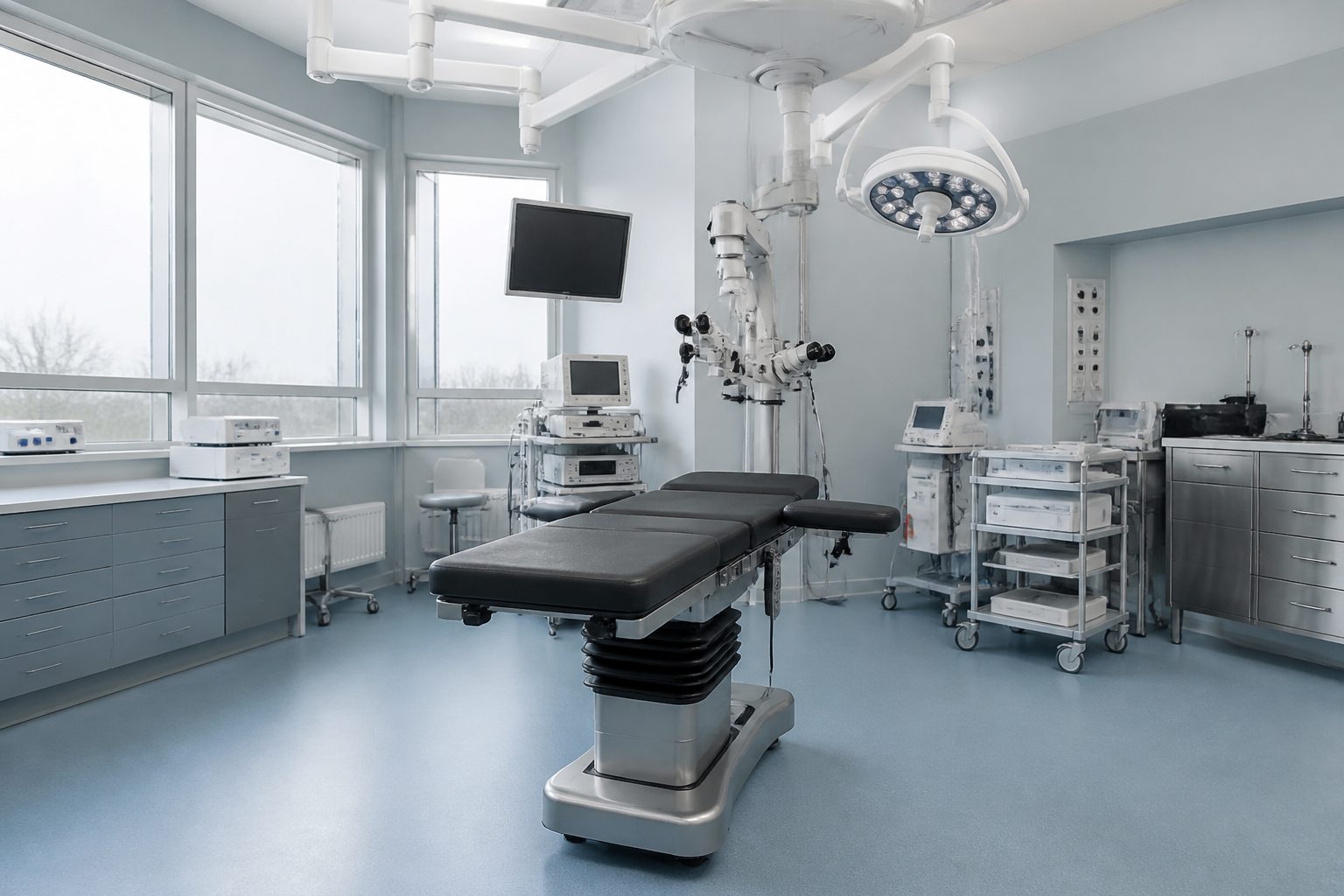
This guide profiles 15 leading ENT hospitals in India for patients seeking treatment for sinus issues, tonsil and septum surgery, hearing restoration, and skin or allergy care. These centres offer a range of services including advanced ENT surgeries, cochlear implants, allergy testing, and dermatology treatments at costs starting from $400 (₹33,000) for basic ENT procedures.
For international and domestic patients, the hospitals listed here provide ENT, skin, and allergy care with transparent pricing and established reputations. Most major surgeries, such as septoplasty or cochlear implants, typically cost between $1,000 and $4,500 (₹83,000–₹3.7 lakh), depending on complexity and hospital.
How we chose these
Hospitals were selected for this list based on their specialty depth in ENT, allergy, and skin care; high patient volumes; accreditations where available; experience with international patients; and clarity of cost information. Each institution is known for particular strengths, from advanced ENT surgeries to allergy clinics and dermatology services, offering practical options for patients from India and abroad.
1. All India Institute of Medical Sciences (AIIMS), New Delhi
AIIMS New Delhi stands out for its comprehensive ENT services, research, and training. The ENT department performs high volumes of sinus, tonsil, and septoplasty surgeries, and is often a referral centre for complex cases. Patients benefit from multidisciplinary teams and robust diagnostic facilities. For international patients, AIIMS offers structured admission procedures but waiting times can be longer owing to high demand.
Indicative cost: $500-$2,000 (₹41,000–₹1.7 lakh)
2. Apollo Hospitals, Chennai
Apollo Hospitals Chennai is recognised for advanced ENT surgeries, including cochlear implants and endoscopic sinus procedures. The hospital’s international patient services streamline appointments, second opinions, and cost estimates. Apollo’s ENT team is experienced in minimally invasive interventions and allergy management, making it suitable for patients seeking modern treatment and coordinated care.
Indicative cost: $1,000-$4,000 (₹83,000–₹3.3 lakh)
3. Christian Medical College (CMC), Vellore
CMC Vellore is renowned for complex ENT surgeries and its role as a training centre for specialists. The hospital provides a full range of ENT, audiology, and allergy services, with a reputation for managing difficult cases, including paediatric ENT conditions. International patients benefit from structured processes for appointments and care coordination.
Indicative cost: $800-$2,500 (₹66,000–₹2.1 lakh)
4. Sankara Nethralaya (ENT Department), Chennai
While best known for ophthalmology, Sankara Nethralaya’s ENT department is well regarded for head and neck oncology, sinus surgery, and allergy management. The centre combines ENT and oncology expertise, making it a strong choice for patients with tumours or complex sinus problems. International patients receive support with travel and paperwork.
Indicative cost: $700-$2,000 (₹58,000–₹1.7 lakh)
5. Medanta – The Medicity, Gurugram
Medanta is a super-specialty hospital offering comprehensive ENT and skull base surgery. The department is equipped for advanced procedures such as cochlear implants, minimally invasive sinus surgery, and allergy testing. Medanta’s international desk assists with visa, accommodation, and interpreter services, making it a practical option for overseas patients.
Indicative cost: $1,200-$4,500 (₹99,000–₹3.7 lakh)
6. Fortis Memorial Research Institute, Gurugram
Fortis Memorial Research Institute is recognised for ENT care, cochlear implants, and endoscopic sinus surgeries. The hospital’s team is experienced in minimally invasive techniques, allergy assessment, and advanced audiology. International patients benefit from a dedicated concierge, cost guidance, and translation support.
Indicative cost: $1,000-$3,500 (₹83,000–₹2.9 lakh)
7. Sir Ganga Ram Hospital, New Delhi
Sir Ganga Ram Hospital is known for ENT and head & neck surgery excellence, with a focus on sinus, tonsil, and voice disorders. Its multidisciplinary approach is valued for complex cases and second opinions. International patients can access coordinated care and support services for travel and accommodation.
Indicative cost: $900-$2,800 (₹75,000–₹2.3 lakh)
8. KEM Hospital (King Edward Memorial Hospital), Mumbai
KEM Hospital is one of Mumbai’s foremost teaching hospitals, offering a range of advanced ENT procedures at accessible costs. The ENT department is active in research and manages large patient volumes, making it suitable for those seeking affordable, quality care, though wait times may be longer for subsidised services.
Indicative cost: $400-$1,500 (₹33,000–₹1.2 lakh)
9. Manipal Hospitals, Bengaluru
Manipal Hospitals in Bengaluru offers a wide spectrum of ENT care, including cochlear implants, allergy clinics, and treatment for skin disorders like psoriasis and vitiligo. The hospital is equipped for both adult and paediatric ENT surgeries. International patients receive support with logistics, cost estimation, and follow-up care.
Indicative cost: $900-$3,000 (₹75,000–₹2.5 lakh)
10. Jaslok Hospital & Research Centre, Mumbai
Jaslok Hospital is recognised for ENT care focusing on voice, swallowing disorders, and audiology. The hospital’s specialists manage a variety of ENT and allergy conditions, offering surgical and non-surgical options. International patients benefit from tailored packages and interpreter services as needed.
Indicative cost: $1,000-$3,000 (₹83,000–₹2.5 lakh)
11. Postgraduate Institute of Medical Education and Research (PGIMER), Chandigarh
PGIMER Chandigarh is a leading centre for ENT research, surgeries, and specialist training. The hospital handles complex ENT, allergy, and skin cases, and is known for its robust academic environment. International patients are supported by a dedicated team, though planning ahead is recommended due to high demand.
Indicative cost: $500-$2,000 (₹41,000–₹1.7 lakh)
12. Max Super Speciality Hospital, New Delhi
Max Super Speciality Hospital is known for ENT, cochlear implants, and endoscopic sinus surgery. The hospital employs modern diagnostic tools and minimally invasive techniques, making it suitable for both routine and complex cases. International patient services include pre-travel consultations and cost breakdowns.
Indicative cost: $1,000-$3,500 (₹83,000–₹2.9 lakh)
13. Ruby Hall Clinic, Pune
Ruby Hall Clinic offers comprehensive ENT, audiology, and speech therapy services. The hospital is equipped for allergy testing, cochlear implants, and dermatology treatments for conditions such as eczema and vitiligo. International patients can expect streamlined appointments and coordination for follow-up care.
Indicative cost: $800-$2,500 (₹66,000–₹2.1 lakh)
14. Amrita Institute of Medical Sciences, Kochi
Amrita Institute in Kochi specialises in ENT, cochlear implants, and skull base surgery. The centre is known for advanced surgical techniques and integrated care for skin and allergy disorders. International patients are supported by a medical travel desk for all aspects of their stay, from visa to discharge planning.
Indicative cost: $900-$3,000 (₹75,000–₹2.5 lakh)
15. Seth GS Medical College & KEM Hospital, Mumbai
Seth GS Medical College, affiliated with KEM Hospital, is a recognised centre for ENT, head & neck surgery, and audiology. The department is experienced in complex ENT and allergy cases, including paediatric patients. International patients should plan ahead for documentation and appointments due to high local demand.
Indicative cost: $700-$2,200 (₹58,000–₹1.8 lakh)
| Rank | Hospital | City | Known for | Indicative cost |
|---|---|---|---|---|
| 1 | All India Institute of Medical Sciences (AIIMS) | New Delhi | Comprehensive ENT surgeries and research | $500-$2,000 |
| 2 | Apollo Hospitals | Chennai | Advanced ENT and cochlear implant surgeries | $1,000-$4,000 |
| 3 | Christian Medical College (CMC) | Vellore | Complex ENT surgeries and training | $800-$2,500 |
| 4 | Sankara Nethralaya (ENT Department) | Chennai | ENT and head & neck oncology | $700-$2,000 |
| 5 | Medanta – The Medicity | Gurugram | Comprehensive ENT and skull base surgery | $1,200-$4,500 |
| 6 | Fortis Memorial Research Institute | Gurugram | ENT, cochlear implants, and endoscopic surgeries | $1,000-$3,500 |
| 7 | Sir Ganga Ram Hospital | New Delhi | ENT, head & neck surgery excellence | $900-$2,800 |
| 8 | KEM Hospital (King Edward Memorial Hospital) | Mumbai | ENT teaching and advanced procedures | $400-$1,500 |
| 9 | Manipal Hospitals | Bengaluru | ENT, cochlear implants, and allergy clinics | $900-$3,000 |
| 10 | Jaslok Hospital & Research Centre | Mumbai | ENT, voice and swallowing disorders | $1,000-$3,000 |
| 11 | Postgraduate Institute of Medical Education and Research (PGIMER) | Chandigarh | ENT research, surgeries, and training | $500-$2,000 |
| 12 | Max Super Speciality Hospital | New Delhi | ENT, cochlear implants, and endoscopic sinus surgery | $1,000-$3,500 |
| 13 | Ruby Hall Clinic | Pune | ENT, audiology, and speech therapy | $800-$2,500 |
| 14 | Amrita Institute of Medical Sciences | Kochi | ENT, cochlear implants, and skull base surgery | $900-$3,000 |
| 15 | Seth GS Medical College & KEM Hospital | Mumbai | ENT, head & neck surgery, and audiology | $700-$2,200 |
What drives the price
ENT surgery costs in India are influenced by the complexity of the procedure, the hospital’s infrastructure, and the experience of the surgical team. Major factors include whether the surgery is minimally invasive or open, use of advanced technology (such as navigation systems for sinus surgery), and whether additional services like audiology or allergy testing are included. Private hospitals typically charge more than public or teaching hospitals, but may offer shorter waiting times and more amenities. Additional costs can include pre-operative tests, medications, and post-operative care.
How to choose the right hospital
Selecting the best ENT hospital for your treatment in India involves looking beyond just the reputation or cost. Start by researching the hospital’s track record with your specific condition—some centres may specialise in complex ear surgeries, while others excel at treating sinus disorders or throat cancers. It’s important to check whether the hospital employs sub-specialists, such as paediatric ENT surgeons for children or head and neck oncologists for tumours, as this can impact the quality and outcome of your care.
If your health issues are related to hearing loss, allergies, or skin conditions, look for hospitals with multidisciplinary teams that include audiologists, allergists, and dermatologists. For example, top ENT hospitals in cities like Chennai, Delhi, and Mumbai often have in-house audiology labs and collaborate closely with dermatology departments to manage cases involving complex skin diseases such as psoriasis or vitiligo, which may require ongoing care alongside ENT interventions.
For international patients, practical considerations are equally important. Choose hospitals with dedicated international patient services that offer language interpretation, visa assistance, and help with travel arrangements. Ask for written, itemised estimates and clarify whether support is available for follow-up care after you return home. Reading patient reviews, checking hospital accreditation (such as NABH or JCI), and confirming the availability of emergency services are all prudent steps. By considering both clinical expertise and patient support services, you can make a well-informed choice that suits your specific needs.
What is included in the typical cost
In most leading ENT hospitals in India, the advertised or quoted cost for surgery generally includes several major components. Typically, this covers the surgeon’s professional fee, anaesthetist’s charges, and the use of the operating theatre, all of which are significant contributors to the total bill. The standard hospital stay—usually between one and three days for common ENT procedures like tonsillectomy, septoplasty, or sinus surgery—is also included in these package rates. This stay covers a basic hospital room, routine nursing care, and standard meals.
Most hospitals also include an initial pre-surgical consultation with the ENT specialist, as well as basic blood tests and routine investigations required for surgical clearance. Immediate post-operative care, such as wound dressings and standard medications administered during your stay, is typically part of the package. For some surgeries, basic pain management and antibiotics are provided during the initial recovery period.
However, it’s important to note that several items are generally excluded from the standard package cost. These commonly include special or imported medications, additional imaging (like MRI or high-resolution CT scans), and any extended hospital stay beyond the standard period due to complications. If you have unrelated health problems that require attention during your admission—such as diabetes management or cardiac issues—these will be billed separately. Devices such as hearing aids and cochlear implants are almost always priced separately, as are advanced diagnostic services like allergy panels or immunotherapy sessions. Always ask for a detailed breakdown to understand exactly what your quoted price covers and what you might need to pay extra for.
Hidden and extra costs to expect
When planning for ENT treatment in India, it is crucial to be aware that the listed hospital package prices often do not reflect the total amount you may end up spending. Several hidden and extra costs can arise at various stages of your care. For example, before surgery, you might need a range of diagnostic tests beyond the basics—such as blood panels, chest X-rays, ECGs, or advanced imaging like CT or MRI scans—especially if your medical history is complex or if your doctor wants to rule out other conditions. These tests are usually billed separately and can add several thousand rupees (or more) to your expenses.
Hospital stays that extend beyond the standard recovery period—whether due to complications, infections, or slower-than-expected healing—can quickly increase costs. Intensive care unit (ICU) charges are particularly high in India, and even a brief ICU stay can double or triple your initial estimate. After discharge, you may require ongoing rehabilitation, such as physiotherapy for balance disorders or speech therapy following throat surgery, which are not included in most surgical packages and are billed per session.
International patients should also budget for costs outside the hospital’s control: airfare, local transportation (such as taxis or hospital shuttles), and accommodation for themselves and any companions. Meals, translation services, and visa-extension fees are additional potential expenses. Hearing aid fitting, device maintenance, and regular follow-up visits—especially for cochlear implant recipients—are typically not part of the surgical package and can be substantial over time. To avoid surprises, always request a comprehensive, written cost estimate from the hospital and clarify what is and isn’t included before proceeding with treatment.
How to save safely on ENT care
There are several effective ways to reduce the cost of ENT care in India without sacrificing safety or quality. One of the most reliable strategies is to consider treatment at public or teaching hospitals, which often offer lower rates for standard procedures due to government subsidies or training programs. However, be prepared for longer waiting times and less personalised amenities compared to private hospitals. Some private hospitals, especially those competing for international patients, may offer special package deals, early booking discounts, or bundled services that can lower your overall expenses—always ask about these options when seeking quotes.
Bringing comprehensive and up-to-date medical records, including recent imaging and laboratory results, can help avoid unnecessary repeat tests, which are a common source of extra charges. For patients needing hearing aids or cochlear implants, spend time comparing different brands and aftercare packages, as device prices and warranty terms can vary widely. Some hospitals partner with manufacturers to offer discounts or free initial servicing, which can add up to significant savings over time.
Never cut corners when it comes to hospital accreditation or the qualifications of your surgeon. Always verify that the hospital is accredited by recognised bodies such as NABH (National Accreditation Board for Hospitals) or JCI (Joint Commission International). Check your surgeon’s credentials and experience with your specific procedure. Avoid unlicensed clinics or practitioners offering unusually low prices, as this can lead to complications and higher long-term costs. By prioritising safety and being proactive about comparing options, you can achieve substantial savings while ensuring high-quality care.
Planning your trip for ENT, skin, or allergy treatment
Proper planning is essential to ensure a smooth experience when travelling to India for ENT, skin, or allergy treatment. Begin by organising all your relevant medical records, including previous consultation notes, imaging scans (such as X-rays, CT, or MRI), and laboratory test results. These documents help your chosen hospital understand your case quickly and avoid unnecessary repeat testing, which saves both time and money.
Contact the hospital’s international patient department early to secure appointments with the appropriate specialists. They can also provide visa invitation letters required for your medical visa application, and offer an itemised estimate of expected costs. Clarify whether your treatment will require a single procedure or multiple sessions, as this will affect the length of your stay. For most ENT surgeries, a 7–14 day stay is recommended to accommodate pre-operative evaluation, surgery, initial recovery, and follow-up checks. However, skin and allergy treatments—such as phototherapy for vitiligo or immunotherapy for allergies—may require multiple visits or extended follow-up, so plan your travel dates accordingly.
Arrange accommodation close to the hospital to minimise travel time, especially if you expect frequent visits or have mobility issues. Many hospitals in major Indian cities offer partnerships with nearby hotels or guesthouses, sometimes at discounted rates for patients. Discuss local transportation options—such as hospital-provided shuttles or reliable taxi services—before you arrive. Finally, consider practicalities like meal preferences, access to pharmacies, and availability of translation services if you are not fluent in English or Hindi. Thorough preparation ensures your focus remains on recovery rather than logistics during your stay.
Frequently asked questions
What is the average waiting time for ENT surgery in India?
Waiting times vary by hospital. Public and teaching hospitals like AIIMS and KEM may have longer queues, particularly for subsidised care, with waits of several weeks. Private hospitals such as Apollo or Fortis generally offer faster scheduling, often within days to a week, especially for international patients.
Are ENT and skin treatments in India safe for international patients?
Most hospitals on this list have experience with international patients and adhere to established safety protocols. Look for facilities with accreditations such as NABH or JCI and ensure your medical team communicates clearly about risks, aftercare, and follow-up. Always request a written treatment plan and cost estimate before travel.
How much does a cochlear implant cost in India?
Cochlear implant surgery typically costs between $8,000 and $18,000 (₹6.6–15 lakh), including the device, surgery, and initial mapping. The hospital charges in this article refer to the surgical fee alone; device costs are billed separately and vary by brand and technology.
Can I combine ENT and dermatology or allergy treatments during one visit?
Many of these hospitals offer coordinated care for ENT, skin, and allergy conditions. It is possible to schedule consultations and some treatments during a single trip, but complex cases may require multiple visits or longer stays. Discuss your needs with the hospital’s patient coordinator in advance for efficient scheduling.
What documents should I bring for treatment in India?
Bring your passport, visa, medical records, previous test results, imaging scans, and any referral letters. International patients may also need proof of funds or insurance and a letter from the treating hospital for visa processing. Check with your chosen hospital for specific requirements before travel.
Related guides
Disclaimer: Prices in this article are indicative and vary by case, hospital, and treatment complexity. Readers should request a personalised written quote and consult a qualified doctor before making decisions about medical care or travel.