
This guide is for anyone comparing vitiligo laser treatment costs and options in India, Turkey, and the UK. Patients and families will find typical price ranges, what’s included, how to save, and practical advice for choosing a reputable clinic.
Vitiligo laser treatment costs start at about $400 (₹33,000) per session in India, rise to $700 in Turkey, and reach $1,500 or more in the UK. The total cost depends on the number of sessions, clinic reputation, and what’s included in the fee.
What is vitiligo laser treatment?
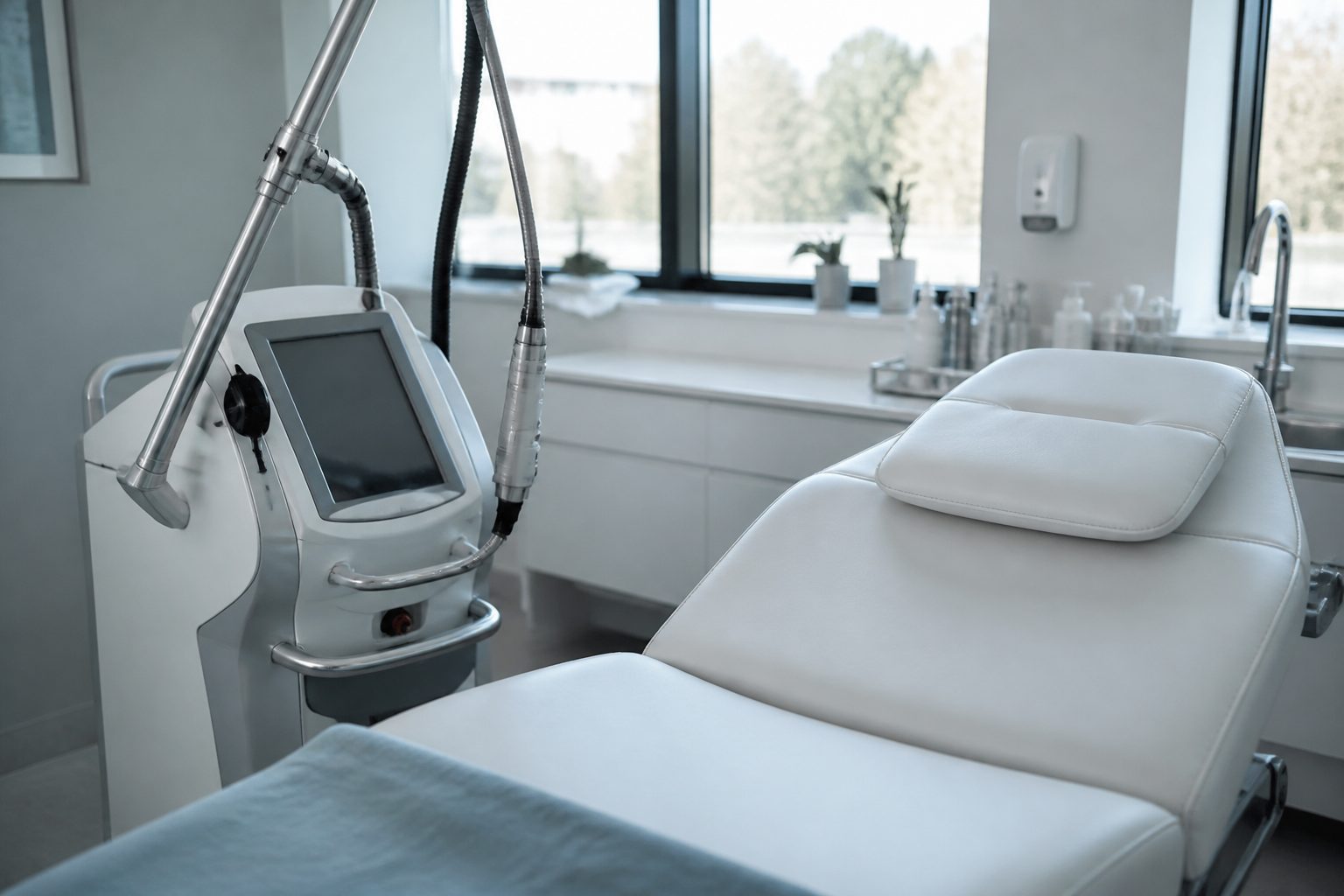
Vitiligo is a skin condition that causes white patches due to loss of pigment. Laser therapy, especially excimer laser (308 nm), is a targeted treatment that stimulates repigmentation in affected areas. It is usually considered for small, stable patches that have not responded to topical medicines or light therapy. Treatment is performed in dermatology clinics or hospitals using specialised equipment. Sessions are brief, usually 10–30 minutes, and repeated 1–3 times per week for several weeks or months. The procedure is non-invasive and does not require anaesthesia.
Laser treatment is not suitable for all patients or all types of vitiligo. It is most effective for localised, stable vitiligo rather than widespread or rapidly progressing patches. A dermatologist will assess suitability and set realistic expectations about the degree of repigmentation.
Vitiligo laser treatment cost comparison: India, Turkey, UK
Costs vary by country, clinic, and the number of sessions required. Most clinics price by session. The number of sessions depends on the size, location, and response of the vitiligo patches. Typical courses range from 8 to 20 sessions, though some patients may require more or fewer. The table below compares session costs and estimated total costs for a standard 10-session course in India, Turkey, and the UK.
| Country | Cost per session | Estimated total (10 sessions) | Currency | Inclusions |
|---|---|---|---|---|
| India | $400 (₹33,000) | $4,000 (₹3.3 lakh) | USD/INR | Consultation, laser session, basic aftercare |
| Turkey | $650 (₺21,000) | $6,500 (₺210,000) | USD/TRY | Consultation, laser session, aftercare, interpreter (in some clinics) |
| UK | $1,500 (£1,200) | $15,000 (£12,000) | USD/GBP | Consultation, laser session, follow-up |
What is included in the price?
Most clinics quote a price per session, which covers the use of the excimer laser device, the dermatologist’s fee, and basic aftercare instructions. The initial dermatology consultation may be included or billed separately ($20–$100 in India, $50–$150 in Turkey, $100–$250 in the UK). Some clinics offer package deals for a set number of sessions, which can reduce the per-session cost. Additional costs may include laboratory tests, topical medicines, or phototherapy if needed alongside laser treatment.
International patients should check if support services (such as airport transfers, translation, or accommodation assistance) are included in the quoted fee. In Turkey, some larger clinics offer package support for medical tourists, while in India and the UK, these services are usually arranged separately.
Hidden and extra costs to consider
When budgeting for vitiligo laser treatment, it is important to look beyond the headline session fee, as there are several additional and sometimes unexpected costs that can significantly increase the total amount you spend. In India, Turkey, and the UK, these extra expenses can vary depending on the healthcare system, clinic policies, and whether you are a local or international patient.
- Consultations: Most clinics require an initial assessment before starting laser therapy. While some packages include this, many charge separately for both the first consultation and any follow-up visits to monitor progress or adjust the treatment plan.
- Laboratory tests: Doctors may recommend blood tests to check for underlying autoimmune conditions or thyroid disorders, which are sometimes associated with vitiligo. These tests are rarely included in the laser session fee and can add a notable sum, especially in private clinics in the UK or for international patients in Turkey and India.
- Medication costs: Alongside laser therapy, dermatologists often prescribe topical creams (such as corticosteroids or calcineurin inhibitors) or oral medications to enhance results. These prescriptions are almost always billed separately and may need to be refilled throughout your treatment.
- Travel and accommodation: For those traveling from another city or country—common for patients seeking more affordable care in India or Turkey—expenses for flights, local transport, accommodation, and daily living can quickly add up. Some clinics offer package deals with partner hotels, but most do not cover these costs.
- Interpreter services: In Turkey and India, language barriers can make communication challenging. Professional translation or interpreter services may be needed, especially for detailed medical discussions, and these are usually an out-of-pocket expense.
- Repeat treatments: Vitiligo often requires multiple courses of laser therapy, especially if the initial response is incomplete. Each course is billed separately, so the total cost can grow over time.
To avoid surprises, always request a comprehensive, written breakdown of all expected charges before committing to treatment. Ask if there are any hidden fees or if certain services (like post-treatment care or emergency support) are included. Some clinics offer discounts for booking multiple sessions in advance or for bundled packages, so inquire about these options if you expect to need ongoing care.
Being proactive about understanding the full financial commitment helps prevent stress and allows for better planning, especially when seeking treatment abroad or in private clinics.
How to save money safely
While the cost of vitiligo laser treatment can be significant, there are safe and practical ways to reduce expenses without compromising on the quality or safety of your care. Making informed choices and planning ahead can help you access effective treatment at a more manageable price.
- Select accredited clinics: Always choose clinics that are officially accredited and have a strong reputation for quality and safety. In India, look for NABH (National Accreditation Board for Hospitals) certification; in Turkey, seek JCI (Joint Commission International) or Turkish Ministry of Health accreditation. These marks ensure that the clinic meets stringent standards for hygiene, equipment, and staff training.
- Explore bundled packages: Many clinics, particularly in India and Turkey, offer discounted rates if you book a package of multiple sessions in advance. This can significantly lower the cost per session compared to paying individually. Always check what is included in the package—such as consultations, follow-ups, or medications.
- Travel smart: If you are traveling from abroad, plan your trip during off-peak tourist seasons to take advantage of lower airfares and accommodation rates. In cities like Istanbul or Mumbai, hotel prices can drop substantially outside major holiday periods.
- Customize your treatment plan: If your vitiligo affects only a small area, discuss with your dermatologist whether a shorter or less intensive course of treatment is appropriate. Fewer sessions or targeting smaller areas can reduce both the total cost and your time commitment.
- Use telemedicine for follow-ups: Some clinics offer follow-up consultations via video call, which can save you the expense and inconvenience of in-person visits—especially important for international patients or those living far from the clinic.
Be cautious of clinics offering prices that seem too good to be true, especially those that advertise rates far below the typical range for the region. Extremely low prices may signal the use of outdated equipment, unqualified staff, or poor safety standards. Always verify the credentials of the treating dermatologist and check for independent patient reviews. Remember, saving money should never come at the expense of your health and safety.
Finally, ask about payment options, such as installment plans or credit card acceptance, which can make the cost more manageable over time. Safe savings come from smart choices, not risky shortcuts.
How to choose a vitiligo laser clinic
Selecting the right clinic for vitiligo laser treatment is crucial to ensure safety, effectiveness, and a positive overall experience. Patients should take a methodical approach, considering several key factors that influence both clinical outcomes and personal comfort, especially when seeking care in India, Turkey, or the UK.
- Experience and credentials: The treating dermatologist should be board-certified and have specific experience with laser therapy for vitiligo, particularly with excimer lasers. Inquire about their success rates, years of practice, and whether they regularly treat international patients.
- Equipment standards: Ask which type of laser device the clinic uses. The gold standard for vitiligo is the 308 nm excimer laser, known for its precision and safety. Ensure the equipment is modern, well-maintained, and regularly serviced, as outdated or poorly maintained machines can compromise results and increase risks.
- Accreditation: Look for clinics that hold recognized accreditations, such as NABH in India, JCI in Turkey, or equivalent bodies in the UK. Accreditation ensures adherence to high standards of care, hygiene, and patient safety.
- International patient support: Especially important in India and Turkey, check if the clinic has a dedicated coordinator to assist overseas patients with travel arrangements, language support, and logistical queries. This can make a significant difference in your experience, helping you navigate local systems and cultural differences.
- Transparency and communication: A reputable clinic will provide a detailed, written quote outlining all costs, including potential extras such as consultations, medications, and follow-ups. They should also clearly explain the expected outcomes, possible side effects, and the likelihood of needing additional sessions.
In addition, seek out independent reviews from verified patients on platforms like Google, RealSelf, or medical tourism forums. Be wary of clinics that guarantee 100% success or promise dramatic results—vitiligo treatment outcomes can vary widely, and no therapy works for every patient. Avoid clinics that are reluctant to answer questions or provide documentation of their staff’s qualifications and equipment standards.
Ultimately, prioritize clinics with a strong track record, transparent communication, and a patient-centered approach. Taking the time to research and compare options will help ensure you receive safe, effective, and cost-appropriate care for your vitiligo.
What drives the price of laser treatment?
The cost of vitiligo laser treatment is influenced by a complex mix of factors, which can vary significantly depending on the country, city, and individual clinic. Understanding these drivers helps patients make informed decisions and avoid unexpected expenses.
- Country and city: The cost of healthcare services is generally lower in India and Turkey compared to the UK, due to differences in labor costs, regulatory fees, and operational overheads. However, within each country, prices can vary—clinics in major metropolitan areas like Mumbai, Istanbul, or London often charge more than those in smaller cities or towns, reflecting higher rent and staff wages.
- Clinic reputation and specialization: Well-known clinics, particularly those with a track record of serving international patients, often charge a premium for their expertise, advanced technology, and patient support services. Clinics specializing in dermatology or medical tourism may have higher fees but typically offer more comprehensive care and better facilities.
- Session length and area treated: The size and location of the vitiligo patches being treated influence both the duration of each session and the total number of sessions required. Treating larger or multiple areas (such as the face, hands, and trunk) requires more time and resources, which increases the overall cost. Some clinics price sessions based on the area treated, while others have a flat fee per session.
- Technology and equipment: Clinics that invest in the latest excimer laser devices (such as 308 nm lasers) or other advanced technologies may charge higher fees to cover equipment costs and maintenance. Newer machines are often more precise and effective, but come with higher purchase and servicing expenses for the clinic.
- Number of sessions and package deals: The total cost depends heavily on how many sessions you need—mild cases might require only a few, while extensive or stubborn vitiligo may need a longer course. Many clinics offer discounts for booking a package of sessions up front, which can make treatment more affordable in the long run.
Always clarify with the clinic whether the quoted price is for a single session or for a complete course of treatment. Ask what is included in the fee—such as consultations, follow-up visits, or medications—to avoid hidden costs. Understanding these pricing factors can help you compare options and choose the best value for your needs and budget.
Planning your treatment abroad
Organizing vitiligo laser treatment in another country requires careful planning to ensure both the effectiveness of your care and a smooth overall experience. Whether you are considering India, Turkey, or the UK, it is essential to understand the logistics, legal requirements, and practical steps involved in medical travel.
First, set aside enough time for your treatment. A standard course of laser therapy typically involves 8–12 sessions, with 2–3 sessions per week. This means you should plan to stay at your destination for at least 2–4 weeks. Factor in extra days for initial consultations, laboratory tests (which may be required before starting treatment), and at least one follow-up visit to assess your response and make any necessary adjustments.
Accommodation is a key consideration. Choose a hotel, guesthouse, or serviced apartment close to the clinic to minimize daily travel. Some clinics in Turkey and India have partnerships with nearby hotels and can offer recommendations or discounts, but you will usually need to book and pay for your accommodation separately. In major cities like Istanbul, Mumbai, or London, proximity to the clinic can save both time and money on local transport.
Before you travel, check the specific visa requirements for your destination. India and Turkey may require a medical visa for stays longer than a few weeks or for those undergoing medical procedures. Start the visa application process early and ensure you have all necessary documentation, including a letter from the clinic confirming your appointment and treatment plan.
Bring all relevant medical records, including previous dermatology reports, a list of medications, and documentation of any other health conditions (such as autoimmune or thyroid disorders). Inform your treating doctor in advance about any such conditions, as these can affect your treatment plan and safety. If English is not widely spoken at your destination, consider arranging interpreter services or asking the clinic if they provide language support.
Budget for additional expenses such as local transportation (taxis, public transit), meals, and incidental costs. International patients should also factor in the possibility of unexpected medical needs or complications, which could extend your stay. Some clinics offer concierge or patient coordinator services to assist with travel logistics and local arrangements, so ask about these when booking.
By preparing thoroughly, you can maximize the benefits of your treatment abroad and minimize stress, ensuring a positive and cost-effective experience.
Frequently asked questions
How many sessions will I need for vitiligo laser treatment?
The number of sessions varies by patient and area. Most people need 8–20 sessions, spaced 2–3 times per week. Your dermatologist will adjust based on your response. Some patches may require more sessions for visible improvement.
Is vitiligo laser treatment permanent?
Laser treatment can stimulate repigmentation, but results are not always permanent. Maintenance sessions or other therapies may be needed if patches recur. The success rate varies depending on the type and stability of vitiligo.
Are there risks or side effects?
Side effects are usually mild, such as redness, mild swelling, or temporary pigment changes. Rarely, blistering or worsening of vitiligo can occur. A qualified dermatologist will monitor your response and adjust treatment as needed.
Does insurance cover vitiligo laser treatment?
Most insurance plans do not cover cosmetic or elective treatments like laser for vitiligo. Some plans may cover if there is a medical indication, but this is rare. Always check with your provider before starting treatment.
Can I combine laser with other vitiligo treatments?
Yes, dermatologists often combine laser with topical steroids, calcineurin inhibitors, or phototherapy for better results. Your treatment plan will be personalised according to your needs and medical history.
Related guides
Disclaimer: Prices are indicative and vary by hospital, clinic, and individual case. Always request a detailed written quote and consult a qualified dermatologist before starting treatment.