
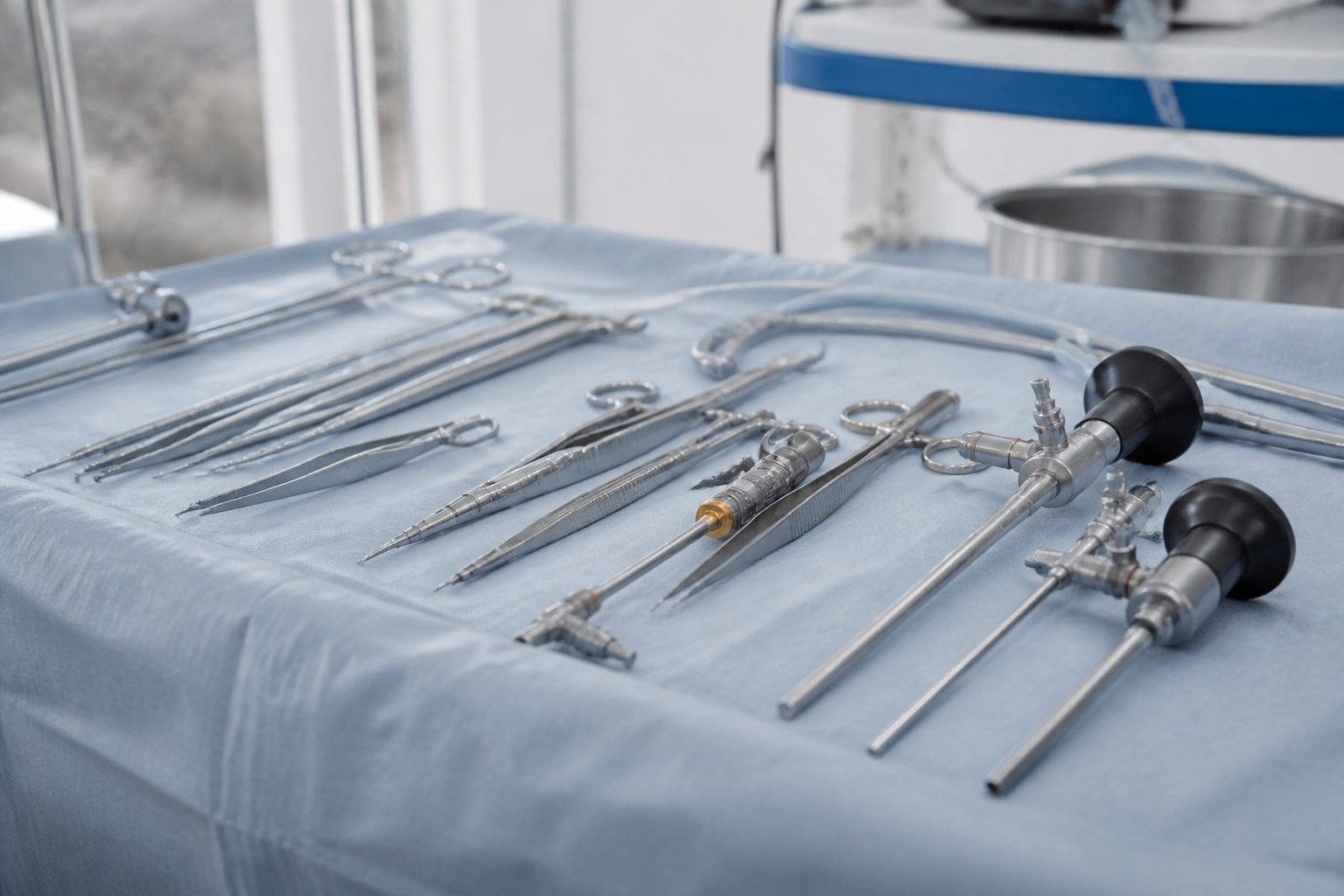
Sinus surgery is a common ENT procedure for chronic sinusitis and related conditions when medical management fails. In India, sinus surgery typically costs $1,200-$2,800 (₹1-2.3 lakh). In the UAE, expect $4,500-$8,000 (AED 16,500-29,500), while in the USA, prices range from $8,000-$16,000.
This guide is for patients and families comparing sinus surgery costs in India, the UAE, and the USA. We explain what’s included, what can add to your bill, and how to budget for safe, effective care.
What sinus surgery involves
Sinus surgery is a specialized procedure aimed at relieving symptoms caused by chronic sinusitis, nasal polyps, structural blockages, or recurrent infections that haven’t responded to medical therapy. The most widely used technique today is functional endoscopic sinus surgery (FESS), which is minimally invasive and allows surgeons to access the sinus passages through the nostrils using a small endoscope (camera) and precision instruments. This approach avoids external incisions, reduces scarring, and typically leads to faster recovery.
Depending on the patient’s diagnosis and anatomy, other procedures may be performed either alone or in combination with FESS. These include:
- Balloon sinuplasty: A catheter with a small balloon is inserted into the blocked sinus passage and gently inflated to widen the opening. This is less invasive and often done in outpatient settings, but may not be suitable for all types of blockages.
- Polypectomy: Surgical removal of nasal polyps that are obstructing airflow or causing chronic symptoms.
- Open sinus surgery: Reserved for rare or complex cases involving tumors or severe anatomical deformities, this traditional approach uses external incisions and is more invasive.
Most sinus surgeries are performed under general anesthesia and take between 1 and 2 hours, though complex cases can last longer. In the USA, outpatient (same-day) surgery is common, but a hospital stay of 1-2 nights may be recommended for more complicated cases or for patients with other health issues. In India and the UAE, both same-day and short-stay admissions are typical, with international patient packages often including private room accommodation.
Recovery involves about a week of rest, avoidance of strenuous activity, and adherence to specific nasal care instructions to prevent infection and promote healing. Several follow-up visits are usually required to monitor progress and remove any nasal packing or crusts. The total cost of surgery is influenced by the complexity of the procedure, the technology and equipment used (such as image guidance systems), the surgeon’s experience, and the type of hospital room selected. Understanding the full scope of what sinus surgery involves will help you plan for both the medical and financial aspects of your care.
Sinus surgery costs: India vs UAE vs USA
Sinus surgery costs vary widely by country, hospital, and procedure type. The table below compares typical price ranges for FESS (the most common approach) in India, the UAE, and the USA. Prices are for self-pay patients and may differ by city or hospital tier.
| Country | Indicative cost (USD) | Local currency | What’s usually included |
|---|---|---|---|
| India | $1,200-$2,800 | ₹1-2.3 lakh | Surgery, anesthesia, 1-2 days hospital stay, routine post-op meds |
| UAE | $4,500-$8,000 | AED 16,500-29,500 | Surgery, anesthesia, 1-2 days hospital stay, basic aftercare |
| USA | $8,000-$16,000 | – | Surgery, anesthesia, 1 day hospital stay, routine post-op care |
What is included in the quoted price
When you receive a price quote for sinus surgery—whether in India, the UAE, or the USA—it’s important to understand exactly what is typically included. While the base package often looks similar across countries, there are key differences in how comprehensive these inclusions are, and the specifics can vary widely by hospital or clinic.
- Pre-surgical assessment: This usually covers an initial ENT (Ear, Nose, and Throat) specialist consultation, basic blood work, and sometimes preliminary imaging like X-rays or basic CT scans if these are part of the package. In India, pre-op assessment may be more likely included in international patient bundles, whereas in the USA, you might receive separate bills for each service.
- Surgeon and anesthetist fees: The cost for the lead ENT surgeon and the anesthesia team is generally part of the quoted price, but in the USA, these professionals often bill separately from the hospital, which can add to the complexity and total cost.
- Operating room charges: This includes the use of the surgical theater, nursing staff, and standard equipment. In the UAE and India, this is frequently bundled; in the USA, it may be itemized.
- Disposable surgical instruments and medications: All necessary single-use tools, basic surgical supplies, and medications administered during the operation are typically covered. However, specialized drugs or technology (such as advanced navigation systems) may incur extra fees, especially in the USA.
- Hospital stay: Most sinus surgeries are outpatient, but if an overnight stay is needed (1-2 nights), it is often included in the base price. In India and the UAE, international patient packages commonly cover accommodation in a private or semi-private room, while in the USA, the type of room and length of stay can greatly affect the bill.
- Routine post-op care during admission: Standard monitoring and nursing care after surgery are typically covered until discharge. This may also include basic pain medications and wound care.
It’s crucial to note that not all packages are created equal. In India and the UAE, hospitals catering to international patients often design all-inclusive deals, which can be a major advantage for medical tourists. In the USA, itemized billing is the norm, so you should expect to receive separate invoices for different aspects of care. No matter where you plan your surgery, always request a detailed, written breakdown of what is—and is not—included in your quoted price. This will help you avoid unexpected expenses and ensure you are comparing equivalent services.
What is not included: hidden and extra costs
Even with a comprehensive quote for sinus surgery, there are several potential extra costs that patients should anticipate. These additional expenses can vary based on the hospital, the patient’s specific health needs, country-specific billing practices, and the complexity of the surgery. Understanding these possible hidden costs is crucial for accurate budgeting and avoiding financial surprises.
- Advanced imaging (CT/MRI scans): While some packages include basic imaging, detailed sinus CT or MRI scans needed for surgical planning are often billed separately, especially in the USA and UAE. In India, advanced imaging may be included in premium international packages but not always in standard quotes.
- Special allergy testing or immunotherapy: If your sinus issues are related to allergies, additional diagnostic tests or pre-surgical allergy treatments may be recommended, adding to your costs.
- Management of comorbidities: Patients with chronic conditions like diabetes or hypertension may need extra pre-operative or intra-operative care. This can mean more consultations, medications, or monitoring, which are rarely included in base packages.
- Additional hospital nights: If your recovery is slower than average or complications arise, extra nights in the hospital will be billed separately. In the USA, these can be particularly expensive due to high per-night room charges and additional nursing care.
- Revision surgery: If you require a second procedure due to incomplete resolution or recurrence of symptoms, this is not covered in the initial price and can be a significant extra cost in all countries.
- Travel, accommodation, and meals: For international patients, flights, hotels, and daily living expenses for both the patient and accompanying family members are not included. In India and the UAE, some hospitals offer assistance with logistics, but these are usually paid separately.
- Follow-up visits after discharge: While some packages include a fixed number of post-op consultations, ongoing follow-up or management of complications may incur extra charges, particularly in the USA.
- Unforeseen complications: If you develop bleeding, infection, or require ICU care, the cost can escalate rapidly. In the USA, these bills are often itemized and substantial; in India and the UAE, emergency care may be more affordable but is rarely covered by the base package.
It’s important to ask for a full list of potential exclusions before surgery. In the USA, it is common to receive separate bills from the surgeon, hospital, and anesthesiologist, making it easier for costs to add up unexpectedly. In India and the UAE, many hospitals offer bundled international patient packages, but always confirm exactly what is included and clarify any possible extra charges. Being proactive and asking detailed questions can help you plan your finances and avoid unpleasant surprises after your procedure.
What drives the price
Several factors influence the total cost of sinus surgery:
- Type and complexity of surgery: Simple FESS is less expensive than combined procedures (e.g., FESS plus septoplasty or polypectomy).
- Hospital tier: Major private hospitals and JCI-accredited centers charge more than smaller local clinics.
- Location: Costs are higher in metro cities (Mumbai, Delhi, Dubai, New York) than in smaller cities.
- Surgeon’s experience: Senior ENT surgeons may charge higher fees, but offer greater expertise for complex cases.
- Facilities and technology: Use of advanced navigation, imaging, or minimally invasive tools may increase costs.
- Inclusions and aftercare: Packages with more comprehensive aftercare, airport transfers, or interpreter services cost more.
Patients with allergies, asthma, or immune disorders may need additional pre-op workup and post-op support, which also adds to the bill.
How to choose a hospital or clinic
Choosing the right hospital or clinic for sinus surgery is a critical decision that affects both your health outcomes and your financial experience. There are several concrete factors to consider, and these may vary depending on whether you are seeking care in India, the UAE, or the USA. Here’s how to make an informed choice:
- Accreditation: Look for hospitals that have recognized accreditations such as JCI (Joint Commission International), NABH (National Accreditation Board for Hospitals & Healthcare Providers) in India, or equivalent national quality certifications. Accreditation ensures that the facility meets rigorous standards for safety, hygiene, and clinical protocols. In the UAE, many leading hospitals in Dubai and Abu Dhabi are JCI-accredited, and in the USA, most reputable hospitals meet national standards.
- ENT specialty depth: High-volume ENT centers and surgeons with extensive experience in sinus surgery usually report better patient outcomes and lower complication rates. In India, major private hospitals in cities like Delhi, Mumbai, and Bangalore often have ENT departments with subspecialists in sinus surgery. In the USA, look for board-certified otolaryngologists with a track record in endoscopic procedures. The UAE’s top private hospitals also attract skilled ENT surgeons, often with international training.
- International patient services: For those traveling from abroad, hospitals that offer dedicated international patient coordinators, language interpreters, and assistance with travel and visas can make the process much smoother. India and the UAE are known for robust international patient departments, while in the USA, these services may be more limited or come at additional cost.
- Cost transparency: It’s essential to choose providers who are willing to give you detailed, itemized written quotes. This allows you to compare not just the headline price, but also what is included and excluded. In India and the UAE, international patient packages are often more transparent, while in the USA, you may need to request breakdowns from multiple departments.
- Aftercare and follow-up: Reliable post-operative support, including scheduled follow-up appointments and clear instructions for home care, is vital—especially for overseas patients who may not be able to return easily for additional care. Ask about the availability of remote consultations or telemedicine follow-up, which is increasingly offered in India and the UAE.
For patients with complex sinus issues—such as extensive nasal polyps, history of previous sinus surgeries, or unusual anatomical challenges—it’s generally safer to opt for a tertiary ENT hospital or an academic medical center. These facilities, while potentially more expensive, offer advanced diagnostics, multidisciplinary teams, and access to the latest surgical technology. Regardless of location, always research the facility’s reputation, read patient reviews, and verify surgeon credentials before making your choice.
How to save safely on sinus surgery
Reducing the cost of sinus surgery is possible without putting your health or safety at risk, but it requires careful planning and informed decision-making. Here are practical steps and country-specific tips to help you save money while ensuring high-quality care:
- Compare quotes: Always obtain written estimates from at least two or three hospitals or clinics in your chosen country. Make sure each quote details exactly what’s included and what’s extra, so you can make a true comparison. In India and the UAE, international patient coordinators often provide bundled package quotes, while in the USA, you may need to request itemized estimates from different departments.
- Consider medical travel to India: India is a popular destination for sinus surgery due to its significantly lower prices, highly trained ENT surgeons, and modern private hospitals. Major cities like Delhi, Chennai, and Bangalore offer world-class facilities at a fraction of the cost in the USA or UAE. Many hospitals provide comprehensive care packages for international patients, which can further reduce unexpected expenses.
- Opt for bundled packages: Bundled or all-inclusive packages often cover surgery, hospital stay, anesthesia, medications, and a set number of follow-up visits. This approach minimizes the risk of hidden charges and makes it easier to budget for your entire treatment journey. In both India and the UAE, such packages are common, while in the USA, you may need to negotiate or specifically request them.
- Check what’s really needed: Avoid unnecessary add-ons such as extra diagnostic tests, premium room upgrades, or elective procedures that may not be essential for your case. Discuss with your doctor which tests and treatments are truly necessary for your condition, and don’t hesitate to seek a second opinion if you’re unsure.
- Plan travel in advance: For international patients, booking flights and accommodation early—especially during off-peak seasons—can lead to substantial savings. Some hospitals in India and the UAE have partnerships with hotels or provide discounted accommodation for patients and families.
Most importantly, never compromise on critical factors such as hospital accreditation, surgeon qualifications, or hygiene standards in an effort to save money. Always check independent reviews, verify the reputation of the facility, and ensure that your chosen provider meets international safety standards. By following these steps, you can achieve significant cost savings while maintaining peace of mind and ensuring a safe surgical experience.
Planning your trip: timing, recovery, and logistics
For international patients, planning ahead is key. Most hospitals in India and the UAE offer remote consultations to review your case and provide a provisional plan. Once accepted, you’ll usually need to arrive 2-3 days before surgery for final assessment and tests.
After surgery, a hospital stay of 1-2 nights is typical, followed by a week in the city for initial recovery and follow-up. Flying home too soon is not advised, as cabin pressure and infection risk are higher. Plan for at least 7-10 days in-country after surgery. Arrange for someone to accompany you if possible.
Bring all prior medical records, imaging (CT/MRI scans), allergy lists, and a list of current medications. Budget for transport between airport, hotel, and hospital. Ask about emergency contact options and English-speaking staff.
Frequently asked questions
Is sinus surgery safe in India and UAE for international patients?
Yes, many private hospitals in India and the UAE have experienced ENT surgeons and international-standard infection control. Choose accredited centers with good reviews and clear patient support.
How long do I need to stay after sinus surgery?
Most patients stay in the hospital for 1-2 nights and remain in the city for 7-10 days post-surgery for follow-up. Your surgeon will advise based on recovery and any complications.
Will my insurance cover sinus surgery abroad?
Some international insurance plans cover overseas surgery, but many do not. Always check with your insurer before booking. Self-pay packages are common for international patients.
Can I have allergy testing or immunotherapy at the same hospital?
Yes, most major ENT hospitals and clinics offer allergy testing and immunotherapy. These services are usually billed separately from the sinus surgery package.
What are the risks of sinus surgery?
Risks include bleeding, infection, temporary nasal congestion, and rare injury to nearby structures (eye, brain). Choosing an experienced surgeon and accredited hospital reduces these risks.
Related guides
Disclaimer: Prices in this article are indicative and may vary by individual case, hospital, and surgeon. Always obtain a written quote and consult a qualified ENT doctor before making treatment decisions.