
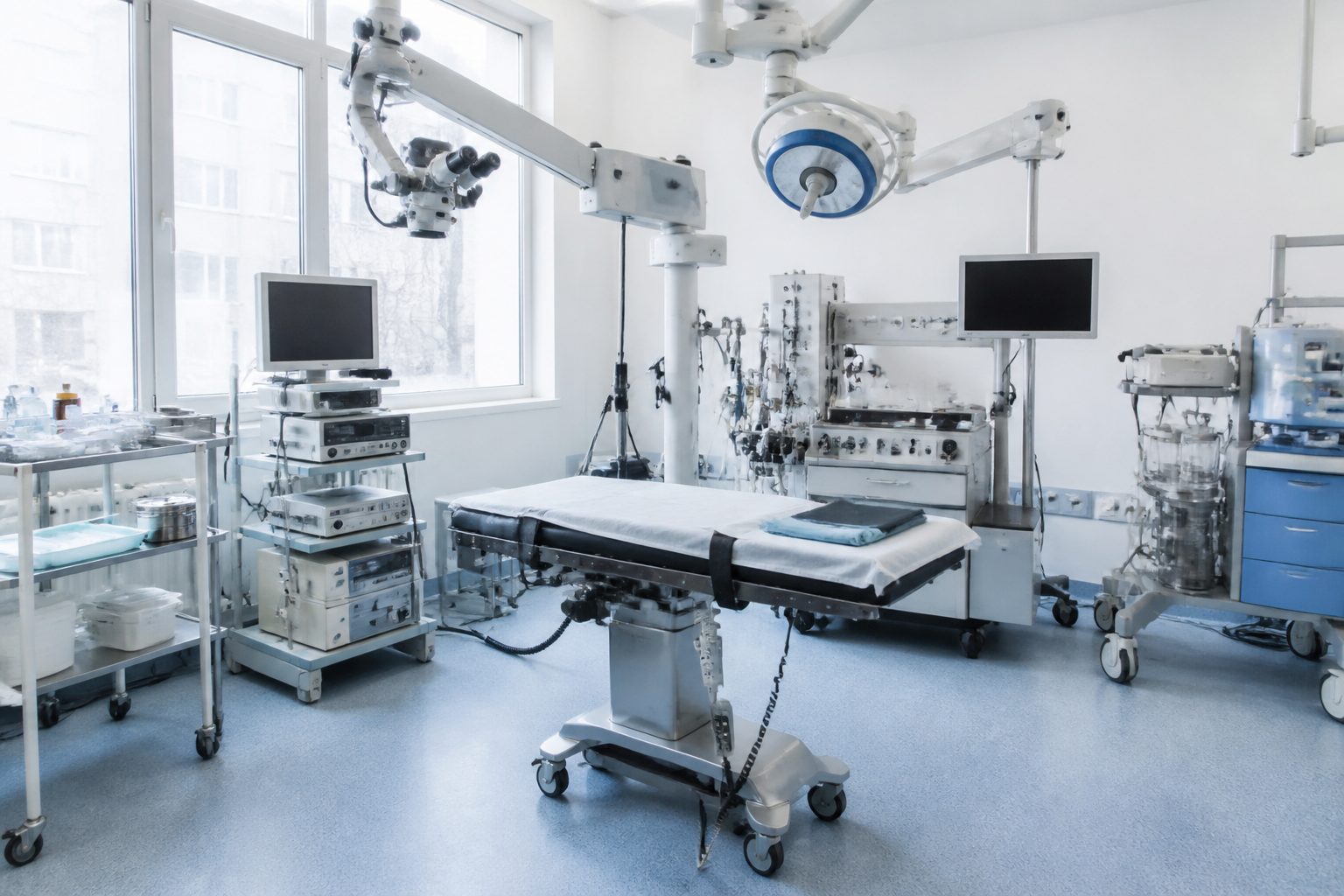
This guide compares the cost of sinus surgery—such as functional endoscopic sinus surgery (FESS)—in the US, UK, and Philippines. Patients and families researching ENT care will find practical cost breakdowns, what’s included, and how to plan for expenses.
In the US, sinus surgery typically costs $6,000-$15,000. In the UK, private surgery is $3,000-$7,000 (£2,400-£5,600). In the Philippines, the range is $1,200-$3,500 (₱68,000-200,000). Read on for a detailed comparison and planning tips.
What is sinus surgery and who needs it?
Sinus surgery is a specialized procedure aimed at treating chronic sinus problems that do not improve with medical therapy. The most common indication is chronic sinusitis—persistent inflammation or infection of the sinus linings, often causing symptoms like nasal congestion, facial pain, headaches, and recurrent sinus infections. Other reasons for surgery include nasal polyps (benign growths that block airflow), structural abnormalities such as a deviated septum, or complications from previous infections or trauma.
The gold standard technique is functional endoscopic sinus surgery (FESS), which uses a thin, flexible tube with a camera to access and clear blocked sinus passages through the nostrils, minimizing external incisions and reducing recovery time. FESS allows the surgeon to remove polyps, open drainage pathways, and correct structural issues under direct visualization. In some cases, additional procedures like septoplasty (straightening the nasal septum) or turbinate reduction may be performed at the same time.
Surgery is generally reserved for patients who have tried several months of medical therapy—including antibiotics, nasal steroids, saline rinses, and allergy management—without sufficient relief. The decision to operate is based on symptom severity, quality of life impact, and findings on imaging studies (CT or MRI scans). Sinus surgery is usually performed under general anesthesia and may be done as a day-case or with a short hospital stay, depending on the complexity of the case and the country’s healthcare protocols. Recovery times vary, but most patients can return to work and normal activities within a week or two, with full healing over several weeks. Proper patient selection and surgeon expertise are key to achieving good outcomes and minimizing risks.
Sinus surgery cost comparison: US, UK, and Philippines
The price of sinus surgery varies widely based on location, hospital type, surgeon experience, and what is included in the package. Below is a summary table comparing typical costs in each country. These figures represent the most common procedure (FESS) for both one and both sides of the nose, without major complications.
| Country | Indicative Cost | What’s Included | Common Exclusions |
|---|---|---|---|
| USA | $6,000-$15,000 | Surgeon fee, anesthesia, facility fee, most routine pre-op and post-op care | Consultation, imaging, medications, extra nights, complications |
| UK (Private) | $3,000-$7,000 (£2,400-£5,600) | Surgeon, hospital, anesthesia, routine follow-up | Pre-op tests, imaging, extra medications |
| Philippines | $1,200-$3,500 (₱68,000-200,000) | Surgery, anesthesia, 1-2 nights stay, basic post-op care | Consultation, advanced imaging, take-home meds |
What is included in the price?
The advertised price for sinus surgery can vary dramatically depending on the country, hospital, and type of package offered. In the US and UK private sector, the quoted fee usually covers the surgical procedure itself, anesthesia, use of the operating room, and a short hospital stay—typically one night or even same-day discharge for straightforward cases. In the Philippines and other popular medical tourism destinations, hospitals often provide bundled packages for international patients. These packages may include pre-operative blood tests, chest X-rays, ECG, routine post-operative check-ups, and basic medications such as antibiotics and pain relief for the immediate recovery period.
However, many important elements are frequently excluded from the headline price. Initial ENT consultations, diagnostic imaging (CT or MRI scans, which can cost several hundred dollars or pounds), and any additional pre-operative assessments are often billed separately. If a patient requires extra nights in the hospital due to medical reasons or personal preference, these are almost always an additional cost. Take-home medications for the longer recovery phase, special nasal sprays, or saline rinses are typically not included. Most crucially, if complications arise—such as infection, bleeding, or the need for revision surgery—these costs are not covered by standard packages and can be significant, especially for uninsured patients or those traveling from abroad.
To avoid unpleasant surprises, always request a comprehensive, itemized written quote before committing to surgery. Ask the hospital or clinic to specify exactly what is included (and excluded), and clarify policies on additional charges, especially for complications or extended stays. This transparency will help you make a more informed financial decision and plan for all possible scenarios.
Hidden costs and what to watch for
Patients often underestimate the total cost of sinus surgery by overlooking extra fees. In the US, facility and anesthesia fees can double the surgeon’s price. In the UK, private hospitals may bill separately for imaging and pre-assessment. In the Philippines, advertised prices may only cover surgery and not pre-op workup or post-op medications.
Other possible hidden costs include:
- Pre-operative imaging (CT scan: $200-$800 in the US, $70-$250 in the Philippines)
- Blood tests and ECG
- Extra hospital nights (typically $300-$1,000/night in the US, $50-$150 in the Philippines)
- Post-op medications and nasal sprays
- Treatment of rare complications (bleeding, infection, further surgery)
- Travel and accommodation for international patients
Ask for a line-item cost estimate and clarify what happens if your procedure is more complex or if you need extra care.
How to save safely on sinus surgery
Saving money on sinus surgery is possible, but it requires careful planning and a focus on safety as the top priority. Many patients from the US or UK explore options in countries like the Philippines, where the total cost—including surgery, hospital fees, and short-term accommodation—can be 60–80% lower. However, not all facilities offer the same level of care, so due diligence is essential.
Here are practical steps to save without compromising your health:
- Choose high-volume ENT centers: Hospitals and clinics that perform many sinus surgeries tend to have better outcomes and more efficient processes. In the Philippines, look for major city hospitals with ENT departments known for treating both local and international patients.
- Ask for all-inclusive packages: Request a comprehensive quote that covers pre-op assessments, the surgery itself, post-op care, medications, and any necessary follow-up visits. This helps avoid surprise expenses and simplifies budgeting.
- Schedule during non-peak periods: Some hospitals offer discounts or promotions during less busy times of the year. Ask about flexible scheduling for potential savings.
- Prefer hospitals in major cities: Facilities in cities like Manila or Cebu generally have better equipment, more specialized staff, and easier access to aftercare. This also makes it easier to coordinate travel and accommodation.
- Plan for follow-up care at home: Before traveling, arrange for a local ENT doctor to handle your follow-up and any potential complications. Bring all surgical records and discharge summaries back with you.
Additionally, verify the hospital’s infection control standards and check for international or strong local accreditation. Read patient reviews and, if possible, connect with others who have had the procedure at the same facility. By taking these steps, you can maximize your savings while protecting your health and ensuring a smooth recovery.
What drives the price of sinus surgery?
Several factors influence the cost of sinus surgery:
- Extent and complexity: Simple FESS for limited disease costs less than extensive surgery for severe polyposis or revision cases.
- Hospital type: Private hospitals and those catering to international patients are generally more expensive than public or smaller local clinics.
- Surgeon experience: Highly specialized ENT surgeons may charge more, but often offer lower complication rates.
- Location: Urban centers and capital cities usually have higher prices, but also more advanced facilities.
- Inclusions: Packages that include imaging, tests, and aftercare are more expensive but reduce surprise bills.
Insurance status is a major factor in the US, where out-of-pocket expenses can be high if you are uninsured or out-of-network. In the UK, NHS patients do not pay for medically necessary surgery, but private fees apply if you choose to go outside the NHS or want faster access.
How to choose a hospital or clinic
Selecting the right hospital or clinic for sinus surgery is critical for both safety and value. Start by researching the credentials of the ENT surgeon—look for board certification, membership in recognized professional societies, and evidence of specialized training in endoscopic sinus surgery. Surgeons who perform a high volume of these procedures generally have better outcomes. In the US and UK, you can check professional registers; in the Philippines, look for affiliations with reputable medical schools and hospitals.
- ENT surgeon’s credentials: Verify experience, board certification, and subspecialty expertise. Surgeons who regularly perform FESS and have a track record with international patients are preferable.
- Hospital reputation: Choose centers known for strong ENT departments and modern facilities. In the US, look for hospitals ranked highly in otolaryngology; in the UK, some private hospitals specialize in sinus surgery. In the Philippines, consider institutions in Manila or Cebu with international accreditations and experience with foreign patients.
- Accreditation: International standards like JCI (Joint Commission International) or NABH (National Accreditation Board for Hospitals) indicate a commitment to quality and safety. However, local reputation and patient feedback are equally important—read reviews and seek recommendations from previous patients.
- Support services: For international patients, language assistance, airport transfers, and help arranging accommodation can make the process less stressful. Some hospitals offer dedicated patient coordinators for foreigners.
- Price transparency: Insist on detailed, written cost estimates that clearly outline what is and isn’t included. Beware of vague or incomplete quotes.
In addition, personal recommendations from local doctors or previous patients can provide valuable insights into the quality of care and patient experience. Don’t hesitate to ask for references or to speak directly with the surgeon before making your final choice. Taking these practical steps will help ensure a safe, smooth, and cost-effective surgery experience.
Planning your trip and aftercare
If you are considering sinus surgery abroad, careful planning is essential. Allow enough time for pre-operative assessment, surgery, and recovery. Most patients can fly home 5-7 days after surgery, but this depends on the complexity of the procedure and your recovery speed. Ask your surgeon when it is safe to travel and what to watch for after you return home.
Bring all relevant medical records, including previous imaging and a summary of your condition. Arrange follow-up care with a local ENT doctor in case you need further treatment or advice. Make sure you have travel insurance that covers medical complications, and clarify what happens if your surgery is postponed or you need to stay longer than planned.
The bottom line: Is it worth traveling for sinus surgery?
Deciding whether to travel abroad for sinus surgery is a complex decision that depends on multiple financial and personal factors. Sinus surgery, particularly functional endoscopic sinus surgery (FESS), is a safe and effective treatment for chronic sinus issues when performed by experienced surgeons. In the United States, uninsured patients often face bills ranging from $8,000 to $20,000, depending on the complexity of the procedure and the hospital’s pricing structure. In the UK, private surgery can cost between £3,000 and £7,000, and NHS wait times can stretch for months. In contrast, reputable hospitals in the Philippines typically charge $2,000–$4,000 for the same surgery, often including accommodation for a short stay.
However, the potential 60–80% savings must be weighed against other costs. Travel expenses, including airfare, visas, and accommodation, can add up quickly, especially if you need to stay several days or weeks for recovery and follow-up. The reliability and accreditation of the hospital are crucial—look for internationally recognized standards such as JCI or strong local reputations. Surgeon expertise is another major factor, as outcomes are highly dependent on skill and experience. Aftercare is also important: if complications arise after returning home, you may face additional costs and logistical challenges arranging follow-up treatment locally.
Ultimately, the best decision balances cost savings with the assurance of safety, continuity of care, and peace of mind. Patients should thoroughly research their options, seek detailed written quotes, and consult with both local and destination doctors before making a commitment. For some, the convenience and security of local care outweigh the savings; for others, traveling abroad offers a practical solution to high costs or long wait times.
Frequently asked questions
How long does recovery from sinus surgery take?
Most patients recover within 1-2 weeks after FESS, though mild congestion and nasal discharge may persist for several weeks. Strenuous activity should be avoided for at least a week. Your surgeon will advise when it is safe to fly and return to work.
Is sinus surgery painful?
Modern endoscopic sinus surgery is less painful than older techniques. Most patients experience mild to moderate discomfort, congestion, and a blocked nose for a few days, which is managed with standard pain medications.
Will insurance cover sinus surgery?
In the US, insurance may cover sinus surgery if it is deemed medically necessary and pre-authorization is obtained. In the UK, the NHS covers surgery for chronic sinusitis, but private patients pay out of pocket. In the Philippines, most care is self-pay, although some local insurance plans may cover part of the cost.
Are there risks or complications?
All surgery carries risks. For sinus surgery, these include bleeding, infection, recurrence of sinus issues, scarring, and very rarely injury to the eyes or brain. Choosing an experienced ENT surgeon reduces the risk of complications.
Can I combine sinus surgery with other ENT procedures?
It is common to combine sinus surgery with septoplasty or polyp removal if needed. This may increase the cost and recovery time slightly. Discuss with your surgeon if you have multiple nasal or sinus issues that could be addressed in one operation.
Related guides
Disclaimer: Prices are indicative and vary by hospital, location, and individual case. Always request a written quote and consult a qualified doctor before making decisions about surgery or travel for medical care.