
Pediatric tonsillectomy in South Korea usually costs between $2,200 and $5,000, including the surgery, anesthesia, and a short hospital stay. This guide is for families considering South Korea for their child’s tonsil removal, covering costs, what’s included, and practical steps.
South Korea is known for advanced ENT care, transparent pricing, and well-equipped hospitals. International patients can expect high standards, English-speaking staff, and efficient care coordination, but should plan for extra costs and careful preparation.
What does pediatric tonsillectomy cost in South Korea?
The typical price for a child’s tonsillectomy in South Korea ranges from $2,200 to $5,000 (₩3–6.8 million). This covers the surgeon’s fee, anesthesia, operating theatre, most preoperative blood tests, and a one- or two-night hospital stay. The price depends on the hospital, the surgeon’s experience, and whether any complications arise. South Korea’s ENT hospitals are well regarded for both routine and complex tonsil surgeries, and most major facilities offer transparent package pricing for international patients.
Additional costs may apply if your child needs special diagnostic tests, stays longer in hospital, or has other medical conditions that complicate anesthesia. Outpatient follow-up, extra medication, and translations are typically billed separately.
What is included in the price?
The quoted price for pediatric tonsillectomy in South Korea typically covers a comprehensive set of core services designed to ensure safety and a smooth experience. Most packages will include:
- Initial ENT consultation: Assessment by an ear, nose, and throat specialist to confirm the diagnosis and discuss the surgical plan.
- Preoperative blood tests: Standard laboratory tests (such as CBC, coagulation panel) to check for infection or bleeding risk.
- Surgeon’s fee and anesthesia: Fees for the ENT surgeon and pediatric anesthesiologist, including the cost of general anesthesia drugs and monitoring.
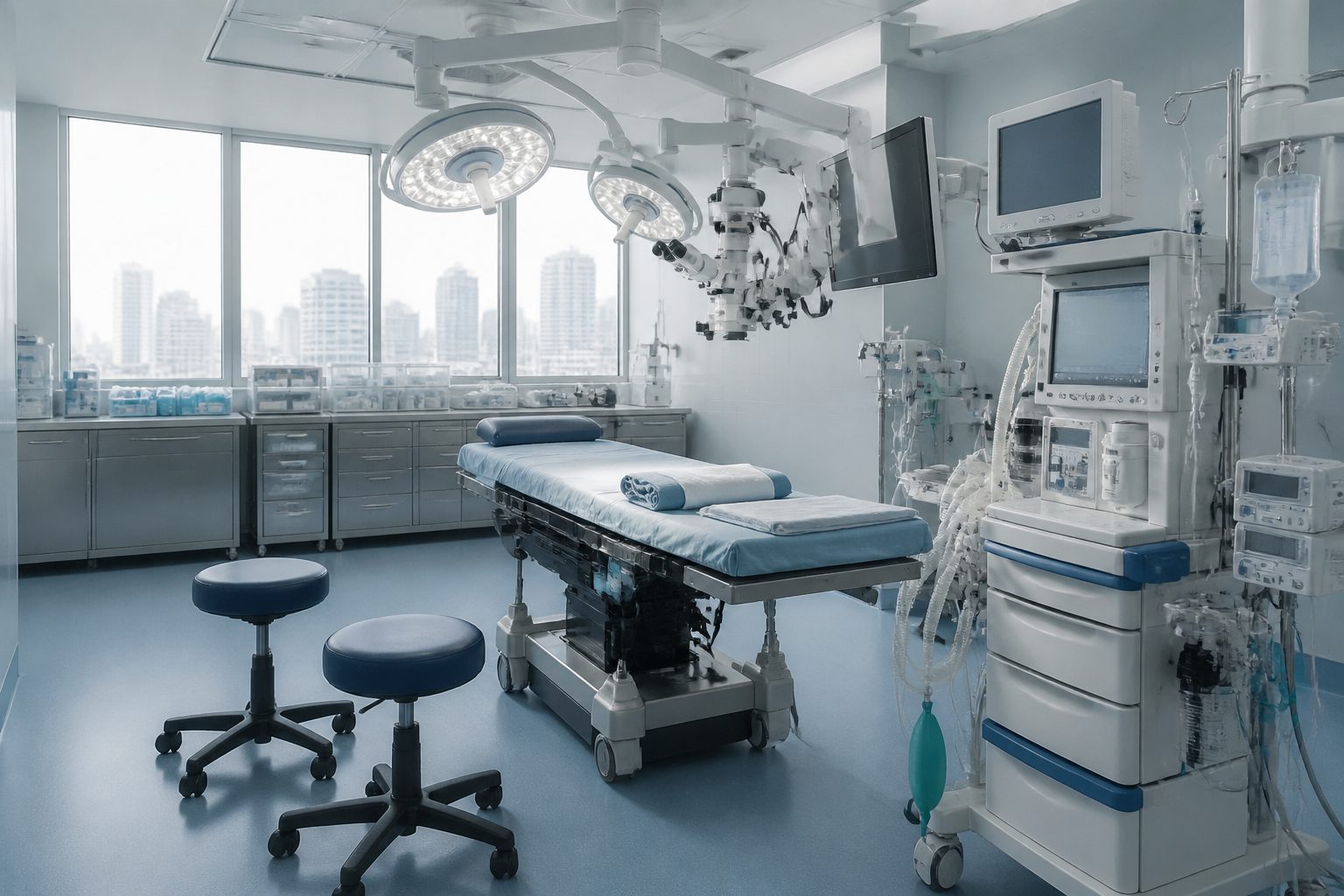
- Operating room charges: Use of a modern, fully equipped surgical suite with advanced technology.
- Standard medications during your stay: Pain relievers, antibiotics, and IV fluids as needed while hospitalized.
- One- or two-night inpatient stay: Accommodation in a shared or standard room, with basic amenities and nursing care.
- Routine postoperative care and discharge summary: Monitoring, wound care, and a written summary of the procedure and instructions for home care.
However, not all costs are automatically included, and families should be aware of potential extras that may arise. The following are not always included in the base price:
- Advanced imaging (CT, MRI): Occasionally required for complex cases or if other airway issues are suspected.
- Specialist consultations: Additional assessments by cardiologists, pulmonologists, or other specialists if your child has underlying health conditions.
- Extra nights in hospital: If extended monitoring or treatment for complications is needed.
- Postoperative medications for home: Painkillers, antibiotics, or special mouthwashes prescribed after discharge may be billed separately.
- Outpatient follow-up visits: Routine or additional check-ups after leaving the hospital, sometimes charged per visit.
- Interpreter services: Professional language support for non-Korean speakers, which may be arranged through the hospital or an outside agency.
- Airport transfers and accommodation for parents: Transportation between the airport and hospital, as well as hotel or guesthouse stays, are usually not bundled into medical packages.
To avoid surprises, always request a detailed breakdown of what is and isn’t included in your child’s tonsillectomy package. Ask about the costs of optional services and clarify payment policies for unexpected events. This ensures you can budget accurately and make informed decisions about your child’s care in South Korea.
How South Korea compares: pediatric tonsillectomy costs in major countries
South Korea’s pricing is competitive with other leading destinations for pediatric ENT surgery. The following table compares estimated total costs for a standard, uncomplicated pediatric tonsillectomy in several countries. These prices include surgeon and anesthesia fees, operating theatre, and a brief hospital stay, but exclude travel and accommodation.
| Country | Indicative cost | Typical inclusions | Notes |
|---|---|---|---|
| South Korea | $2,200–$5,000 (₩3–6.8M) | Consult, surgery, anesthesia, 1-2 nights, standard meds | English-speaking staff at major hospitals |
| Thailand | $1,800–$4,000 (฿65,000–145,000) | Similar to Korea, often includes airport transfer | Many JCI-accredited hospitals |
| India | $900–$2,500 (₹75,000–2 lakh) | Consult, surgery, anesthesia, 1 night | Lowest cost, but variable amenities |
| Singapore | $4,500–$8,000 (S$6,000–11,000) | Consult, surgery, anesthesia, 1-2 nights | High cost, luxury facilities |
| USA | $6,000–$12,000 | Consult, surgery, anesthesia, hospital stay | Insurance may cover part for residents |
| UK (private) | $3,500–$6,200 (£2,800–£5,000) | Consult, surgery, anesthesia, 1 night | NHS free for residents, long wait lists |
| UAE | $4,000–$7,500 (AED 14,700–27,500) | Consult, surgery, anesthesia, 1-2 nights | English widely spoken |
| Philippines | $1,600–$3,000 (₱90,000–170,000) | Consult, surgery, anesthesia, 1 night | Lower cost, variable hospital standards |
Hidden costs and what to watch for
While most Korean hospitals provide clear package pricing, international patients should be aware of extra costs that can arise. Common additional charges include:
- Advanced imaging (CT/MRI) if the child has complex ENT anatomy or suspected complications
- Specialist preoperative clearance (cardiology, pulmonology)
- Extra nights if the child is slow to recover or develops bleeding
- Interpreter fees (typically $50–$100 per session for in-person, less for phone/online)
- Medications to take home (painkillers, antibiotics)
- Travel, accommodation, and meals for parents
Ask for a detailed written quote before committing. Clarify what is and is not included, and request an itemized breakdown of extras that could apply to your child’s case. Some hospitals offer all-inclusive packages for international patients, but it is rare for these to cover more than the basics.
How to save on pediatric tonsillectomy in South Korea
To reduce costs safely, consider the following tips:
- Choose a general or university hospital rather than a luxury private hospital, unless your child has complex needs
- Ask about shared room options instead of private suites
- Avoid unnecessary extra tests if your child is otherwise healthy
- Coordinate preoperative blood tests in your home country if permitted
- Book directly with the hospital’s international department, not via agents
- Check if the hospital provides free airport pickup, translation, or discounted accommodation for parents
However, do not cut corners on post-op care, anesthesia, or hospital choice. If your child has special medical needs, choose a hospital with a full pediatric ICU and experienced pediatric anesthetists.
How to choose a hospital or clinic
Choosing the right hospital or clinic for your child’s tonsillectomy in South Korea is a crucial step that can impact both the quality of care and the overall cost. South Korea is home to numerous top-tier hospitals, especially in major cities like Seoul and Busan, many of which have internationally recognized ENT and pediatric surgery departments. When evaluating facilities, prioritize those with JCI (Joint Commission International) or Korean hospital accreditation, as these designations guarantee adherence to rigorous safety, cleanliness, and quality standards. Accreditation also reflects the hospital’s commitment to continuous improvement and patient-centered care.
- Surgeon experience: Look for hospitals where ENT surgeons have extensive experience with pediatric patients. Ask about their annual case volume, training background, and outcomes for tonsillectomy procedures.
- Pediatric anesthesiology and intensive care: Ensure the facility has dedicated pediatric anesthesiologists and, if needed, access to pediatric ICU beds for children with complex medical histories or higher surgical risks.
- International patient support: Many leading hospitals in Seoul and Busan have English-speaking coordinators who assist with scheduling, interpretation, and logistics. This service is invaluable for families traveling from abroad.
- Transparent pricing: Insist on a clear, written cost estimate that covers all anticipated expenses, including any potential extras for special needs or complications.
- Location and convenience: While Seoul offers the largest and most specialized hospitals, other cities such as Busan, Daegu, or Daejeon may provide lower prices, less crowded facilities, and shorter wait times. Consider proximity to airports, public transportation, and accommodation options.
Most international families opt for major general hospitals or children’s hospitals in Seoul, such as Seoul National University Hospital or Asan Medical Center, due to their reputation and comprehensive pediatric services. However, reputable ENT specialty clinics—often affiliated with larger hospitals—can be a good choice for straightforward cases and may offer a more personalized experience at a lower cost. Regardless of your choice, verify the facility’s credentials, request patient reviews or testimonials, and confirm that all arrangements are documented in writing before committing to surgery.
Preparing for your child’s tonsillectomy in Korea
Proper preparation is essential for ensuring a smooth and stress-free tonsillectomy experience in South Korea. Begin by arranging a preoperative consultation with your chosen hospital or clinic, which can often be initiated remotely by submitting your child’s medical records. These should include a detailed medical history, allergy information, vaccination records, and any previous anesthesia or surgical reports. This allows the medical team to assess your child’s suitability for surgery and plan for any special needs or precautions.
Most hospitals require your child to arrive in Korea at least one day before the scheduled procedure. On arrival, your child will undergo a comprehensive preoperative assessment, including blood tests and possibly a physical examination by both the ENT surgeon and a pediatric anesthesiologist. If your child has chronic illnesses, such as asthma, heart conditions, or bleeding disorders, notify the hospital in advance so that additional specialist consultations can be arranged if needed. It is also important to clarify fasting instructions (usually no food or drink for a set number of hours before surgery) and to disclose all current medications, as some may need to be paused or adjusted before the operation.
During the hospital stay, parents are typically allowed to stay overnight in the child’s room, especially in larger hospitals with pediatric wards. Bring comfort items such as favorite toys, books, or electronic devices to help your child feel at ease. Snacks and familiar foods can be helpful, although the hospital will provide a suitable post-surgery diet. After discharge, expect your child to experience a sore throat, mild ear pain, and reduced appetite for up to two weeks. The medical team will provide detailed instructions on pain management (often including liquid painkillers and ice packs), dietary recommendations (soft, cool foods), and warning signs to watch for, such as bleeding, high fever, or difficulty breathing. Adhering to these guidelines and attending all scheduled follow-up visits will help ensure a safe and speedy recovery for your child.
What to expect: hospital stay and recovery
When your child undergoes a tonsillectomy in South Korea, you can expect a well-organized and streamlined hospital experience. Most pediatric patients are admitted to the hospital either the evening before or the morning of the surgery. The procedure itself is performed under general anesthesia and typically takes between 30 and 60 minutes. During surgery, experienced pediatric ENT surgeons use advanced techniques—such as coblation or electrocautery—to minimize bleeding and promote faster healing. Immediately after the operation, your child will be closely monitored in a recovery room for signs of bleeding, airway issues, pain, and hydration status, which are the most common concerns following tonsil removal.
For a standard, uncomplicated case, the hospital stay usually lasts one to two nights. If your child has special medical needs (such as sleep apnea, bleeding disorders, or chronic illnesses), or if complications arise, a longer stay may be necessary. Hospitals in South Korea are equipped with modern pediatric wards, and it is common for one parent to stay overnight in the child’s room, sometimes for an additional fee or with advance notice.
After discharge, you should plan to remain in Korea for at least 5 to 7 days. This precaution allows for the management of potential delayed complications, such as secondary bleeding (which can occur several days post-surgery), dehydration, or infection. Outpatient follow-up visits—usually one or two—are scheduled to check on your child’s recovery and to provide guidance on pain management, diet, and activity restrictions. Most children are able to resume gentle activities and travel home after a week if there are no complications, but full recovery with normal eating and activity can take up to two weeks. Families should be prepared for temporary dietary changes (soft, cool foods) and to monitor for warning signs, such as persistent fever, difficulty swallowing, or bleeding, during the recovery period.
The bottom line
Pediatric tonsillectomy in South Korea represents a compelling option for families seeking high-quality surgical care combined with transparent pricing and efficient medical service. The typical cost for a standard pediatric tonsillectomy procedure ranges from $2,200 to $5,000 USD. This price range reflects several concrete factors, including the reputation and location of the hospital, the experience level of the ENT surgeon, and whether the procedure is performed in a general or specialty hospital. Costs can rise if your child has special medical needs, such as underlying health conditions that require additional preoperative testing, pediatric anesthesiology, or extended monitoring post-surgery. Complications, such as postoperative bleeding or infection, may also result in extra charges for medications, additional hospital nights, or emergency interventions.
South Korea’s medical system is known for its efficiency and modern technology, with many hospitals catering specifically to international patients. However, it is crucial to choose a hospital with robust pediatric and ENT credentials, ideally with international accreditation (such as JCI) and a dedicated pediatric team. Always request a detailed, written cost estimate that outlines what is and isn’t included in the quoted price. This helps prevent unexpected expenses and ensures you are fully informed about your financial obligations.
For families traveling from abroad, plan to spend at least 7–10 days in Korea to accommodate preoperative assessment, surgery, inpatient recovery, and postoperative follow-up. This timeline allows for monitoring of delayed complications and ensures your child is fit to travel home. Consider practical aspects such as accommodation, interpreter services, and local transportation, as these are usually not included in medical packages. With careful planning and clear communication, you can ensure a safe and cost-effective tonsillectomy experience for your child in South Korea.
Frequently asked questions
How long does my child need to stay in Korea after tonsillectomy?
Most hospitals recommend staying at least 5–7 days after surgery to monitor for delayed bleeding or complications. This allows for one or two follow-up visits before you travel home. For children with complex medical needs, your doctor may advise a longer stay.
Are there English-speaking doctors and nurses in Korean ENT hospitals?
Yes, major general and university hospitals in South Korea have English-speaking ENT surgeons, anesthesiologists, and international patient coordinators. Smaller clinics may have more limited English support, so check in advance.
Can I use my health insurance to pay for tonsillectomy in Korea?
International insurance may cover part of the cost, but most Korean hospitals require payment upfront. Ask your insurer about overseas coverage and get a detailed invoice for reimbursement. Korean national health insurance is only for residents.
What if my child has allergies or complex medical history?
Inform the hospital in advance and provide detailed medical records. Choose a hospital with a pediatric ICU and multidisciplinary team. Extra preoperative tests or consultations may be required, increasing the overall cost.
Is tonsillectomy safe for young children?
Tonsillectomy is a common and generally safe procedure in Korea, but all surgery carries risks. Korean hospitals follow strict protocols for pediatric anesthesia and monitoring. Discuss risks and benefits with your child’s ENT surgeon before proceeding.
Related guides
Disclaimer: All prices are indicative and can vary based on the hospital, surgeon, and your child’s individual case. Always request a written quote and consult a qualified doctor before making medical or financial decisions.