
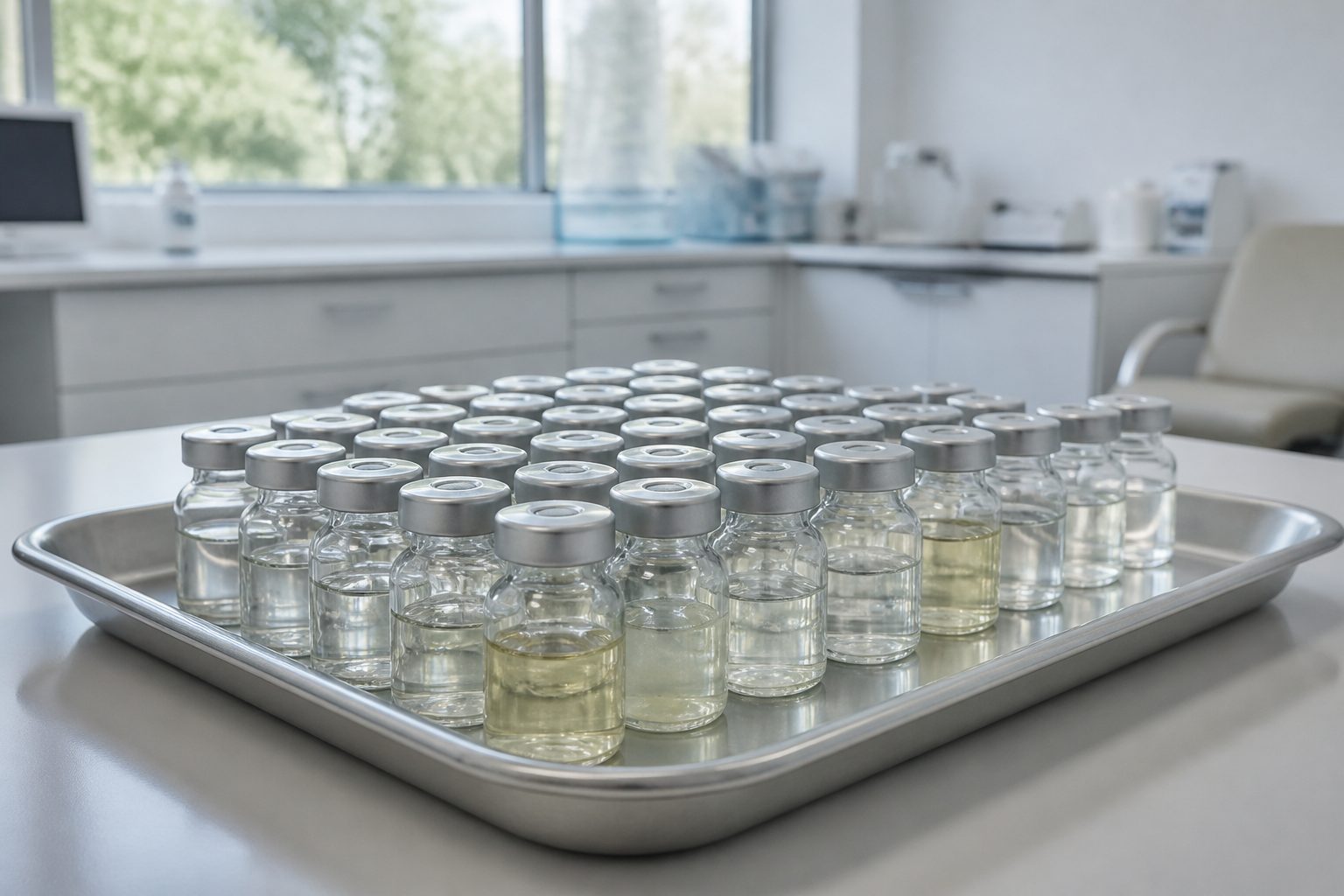
Immunotherapy is a long-term treatment for allergies that can significantly reduce symptoms and the need for medication. If you are considering this therapy, knowing the costs in different countries can help you plan and budget effectively.
For most patients, the total cost for allergy immunotherapy ranges from $350 in India to over $3,000 in the United States, depending on the country, clinic, and treatment protocol. This guide compares costs, explains what’s included, and offers practical advice for international patients.
What is immunotherapy for allergies?
Immunotherapy for allergies is a medical treatment designed to modify your body’s immune response to specific allergens, gradually reducing your sensitivity and the severity of your symptoms. This approach is commonly recommended for individuals who do not achieve sufficient relief from standard medications or who wish to address the underlying cause of their allergies rather than just managing symptoms.
There are two primary forms of allergy immunotherapy:
- Subcutaneous immunotherapy (SCIT): Also known as allergy shots, this method involves regular injections of gradually increasing doses of allergen extracts, typically administered in a clinic or doctor’s office. The process begins with a build-up phase, where injections are given weekly or biweekly, followed by a maintenance phase with monthly injections. SCIT is widely used in countries like the US, UK, Germany, and Australia.
- Sublingual immunotherapy (SLIT): This involves placing drops or dissolvable tablets containing allergen extracts under the tongue, usually on a daily basis. SLIT is more common in parts of Europe, Japan, and increasingly in North America. It is often preferred for children or those who wish to avoid injections.
Immunotherapy is most effective for allergic rhinitis (hay fever), allergic asthma, insect venom allergies, and some cases of allergic conjunctivitis. It is not typically recommended for food allergies, as the risk of severe reactions is higher and the evidence for effectiveness is limited.
The full course of immunotherapy usually lasts three to five years, and adherence to the treatment schedule is crucial for long-term benefits. Regular monitoring by a healthcare provider is necessary, especially during the initial months, to manage potential side effects and ensure the therapy is working as intended. While immunotherapy can require a significant time and financial commitment, many patients experience lasting relief from allergy symptoms, improved quality of life, and a reduced need for ongoing medication.
How much does immunotherapy for allergies cost in 7 major countries?
The cost of immunotherapy varies widely depending on the country, the type of allergen extract used, the length of treatment, and the clinic’s fee structure. Below is a comparison of typical price ranges for a full course of immunotherapy (3-5 years) in seven major countries. These estimates include consultation, allergy testing, and the full course of injections or drops, unless otherwise noted.
| Country | Typical cost (USD) | Local currency | What’s included |
|---|---|---|---|
| India | $350-$900 | ₹29,000-75,000 | Consultation, allergy testing, injections or drops, follow-up visits |
| Pakistan | $400-$950 | ₨112,000-265,000 | Consultation, allergy testing, immunotherapy, basic follow-up |
| Bangladesh | $450-$1,100 | ৳49,000-120,000 | Consultation, allergy testing, immunotherapy, routine monitoring |
| Indonesia | $600-$1,300 | Rp9,400,000-20,400,000 | Consultation, allergy testing, injections/drops, basic follow-up |
| Philippines | $700-$1,500 | ₱40,000-85,000 | Consultation, allergy testing, immunotherapy, follow-up care |
| United States | $2,000-$4,800 | USD | Consultation, allergy testing, immunotherapy, monitoring |
| United Kingdom | $1,800-$3,500 | £1,400-2,800 | Consultation, allergy testing, immunotherapy, follow-up |
What is included in the price?
When considering the total price of allergy immunotherapy, it is important to understand exactly what is covered in the quoted cost, as this can vary not only by clinic but also by country. Most comprehensive packages include several key components, each with its own associated costs and practical considerations:
- Initial consultation: This is your first appointment with an allergy specialist, immunologist, or ENT doctor. During this visit, the physician will take a detailed medical history, review your symptoms, and discuss your previous treatments. In countries like Germany or the UK, this consultation may be billed separately from the therapy itself, while in the US and Japan, it is often bundled into an initial assessment fee.
- Allergy testing: To tailor the immunotherapy, you will undergo tests such as skin prick testing or blood tests (for example, specific IgE tests). The cost of these tests can vary by country—for instance, in India and Thailand, skin tests are usually less expensive than in the US or Australia. Some clinics may require additional or repeat testing over the course of treatment.
- Preparation of allergen extracts: The allergens used for your therapy are custom-mixed based on your test results. This compounding process can be a significant cost factor, especially in countries with strict pharmaceutical regulations like Japan and Germany. The complexity of your allergies (single vs. multiple allergens) will also impact the price.
- Immunotherapy sessions: Whether you are receiving subcutaneous injections (SCIT) or sublingual drops/tablets (SLIT), the price typically covers regular administration. In the US and UK, you may pay per session, while in France or India, a package rate for the build-up and maintenance phases is more common. The number of sessions required can range from weekly to monthly, depending on your protocol.
- Follow-up visits: Ongoing monitoring is crucial for safety and effectiveness. These visits are used to check for side effects, assess your response, and adjust dosages. In some countries, follow-up visits are included in the package, while elsewhere they are billed separately. For example, clinics in Australia often include a set number of follow-ups in the initial fee, but additional visits may incur extra charges.
Some clinics, particularly in Asia and Europe, market all-inclusive packages that cover the entire course of treatment over several years, while others—especially in North America—may itemize each component. Always request a detailed, written breakdown of costs before starting, and clarify what happens if you need to change your treatment plan or require extra visits. Understanding these factors will help you budget accurately and avoid unexpected expenses.
Hidden costs and exclusions
While most clinics provide a headline price for allergy immunotherapy, there are often additional costs that may not be immediately apparent. These hidden charges can vary significantly depending on the country, the clinic’s policies, and your specific medical needs. Understanding these potential extras is key to budgeting accurately and avoiding financial surprises during your treatment journey.
- Additional testing: Beyond the initial allergy tests, you may be advised to undergo further diagnostics such as advanced blood panels, lung function tests, or imaging (e.g., sinus CT scans). In the US and Japan, these are often billed separately and can be expensive, while in India or Thailand, prices are generally lower but still add up if multiple tests are needed.
- Emergency care: Although severe allergic reactions during immunotherapy are rare, they can occur. Emergency interventions—such as adrenaline injections, oxygen therapy, or observation in a hospital—are usually not included in standard packages. In the UK or Australia, these costs may be covered by national health schemes, but private patients or those abroad should clarify their coverage in advance.
- Missed appointment fees: Many clinics, especially in Europe and North America, charge penalties if you miss scheduled appointments or fail to provide adequate notice. These fees can range from modest charges to the full price of a session, depending on local policies.
- Medication: Ongoing medications such as antihistamines, nasal corticosteroids, or rescue inhalers may not be part of the immunotherapy package. You may need to purchase these separately, with costs varying by country and whether you have insurance. In some countries, like France or Germany, certain medications may be partially reimbursed by public health insurance.
- Translation or interpretation: For international patients, language services are sometimes an extra charge. This is particularly common in private clinics in Europe, Japan, or Southeast Asia, where professional interpreters may be billed per hour or per session.
- Travel and accommodation: If you are traveling for care, remember that flights, local transportation, and hotels are not included in medical pricing. In countries like Singapore or Australia, accommodation near major hospitals can be costly, and long-term stays may significantly increase your overall expenditure.
To avoid unexpected costs, always ask your provider for a comprehensive, written list of what is included and what is not. Clarify policies regarding cancellations, emergencies, and additional tests. If you have insurance, check which elements are reimbursed and which are your responsibility. This proactive approach will help keep your treatment both affordable and stress-free.
What drives the price of allergy immunotherapy?
Several factors influence the cost of immunotherapy for allergies:
- Type of immunotherapy: Sublingual drops/tablets are often more expensive than injections, especially in Western countries, due to proprietary formulations.
- Number of allergens treated: Treating multiple allergens raises the cost, as each extract must be prepared and administered.
- Length of treatment: Standard courses last 3-5 years; longer treatments cost more.
- Clinic setting: Large hospitals and accredited allergy centers may charge more but offer added safety and monitoring.
- Local pricing: Medical labor and material costs vary by country, affecting the overall price.
- Accreditation: JCI or NABH-accredited hospitals may have higher fees but also higher standards for safety and care.
In most countries, private clinics are more expensive than public hospitals, but may offer shorter wait times and more personalized service.
How to choose a clinic or hospital for allergy immunotherapy
Selecting the right clinic or hospital for allergy immunotherapy is a crucial decision that can impact both your health outcomes and your overall costs. Here are several important, concrete factors to consider, along with practical steps for evaluating providers in different countries:
- Specialist experience: Seek out clinics with board-certified allergists, immunologists, or ENTs who have extensive experience in administering immunotherapy. In countries like the US, Australia, and Germany, you can check professional association memberships and years of practice. In India, look for doctors registered with the Indian Academy of Allergy or similar bodies.
- Volume of cases: High-volume centers often have more experience managing a range of allergies and are better equipped to handle rare but serious side effects. For example, university hospitals in Japan or major allergy centers in the UK typically treat hundreds of patients annually, ensuring robust protocols and emergency preparedness.
- International patient services: If you plan to travel for treatment, prioritize clinics that offer dedicated support for international patients. This may include multilingual staff, help with medical visas, airport transfers, and assistance finding local accommodation. In Thailand and Singapore, many hospitals have international patient departments that streamline the process.
- Accreditation: Check for recognized accreditations such as Joint Commission International (JCI), which signals adherence to global safety and quality standards. In India, look for NABH accreditation; in the UK, CQC ratings are important. Accreditation can be a strong indicator of a clinic’s commitment to patient care and safety.
- Cost transparency: Reputable providers should be able to provide a clear, itemized quote that details every aspect of your treatment—including consultations, tests, medication, and follow-up. In some countries, like France or Germany, price transparency is mandated by law, while in others, you may need to request this explicitly.
Before making your decision, ask specific questions about the expected duration of treatment, the total number of visits required, and how the clinic manages emergencies or adverse reactions. Request to see patient reviews or testimonials, especially from international patients if you are traveling for care. If possible, consult with former patients through online forums or expat groups. These steps will help you choose a clinic that fits your medical needs, logistical requirements, and budget.
How to save on allergy immunotherapy safely
Immunotherapy for allergies can be a significant investment, but there are practical, safe strategies to reduce your out-of-pocket costs without compromising on quality or safety. Here are several actionable tips, along with country-specific insights and steps you can take:
- Compare multiple providers: Prices for allergy immunotherapy can vary widely, even within the same city or region. In countries like the US, India, or Australia, request detailed, itemized quotes from at least three different clinics. Be sure to compare not just the total price, but what each package includes (consultations, tests, medication, follow-ups).
- Consider public hospitals: Many countries, such as the UK, France, and Thailand, offer immunotherapy in public or university hospitals at significantly reduced rates compared to private clinics. These facilities may have longer wait times, but the cost savings can be substantial, especially for long-term treatment.
- Travel regionally: If you live in a high-cost country, consider seeking treatment in a neighboring country with lower prices. For example, patients in Singapore sometimes travel to Malaysia or Thailand for more affordable care, while Europeans may look to Poland or Hungary.
- Group appointments: Some clinics, particularly in Asia and Eastern Europe, offer discounts for families or groups starting immunotherapy together. This can reduce the per-person cost of consultations and testing, making it an attractive option for households with multiple allergy sufferers.
- Ask about payment plans: Spreading out payments over the duration of your treatment can make the financial burden easier to manage. In the US and Australia, many clinics offer interest-free installment plans. In India, some hospitals allow you to pay per visit rather than upfront.
Regardless of where you seek care, never compromise on safety. Ensure your provider is fully trained and equipped to handle allergic emergencies, and that ongoing monitoring is included. Avoid unlicensed clinics or those that cut corners on testing and follow-up. Taking these steps will help you save money while still receiving effective, high-quality allergy immunotherapy.
Planning tips for international patients
If you are considering traveling abroad for immunotherapy, plan carefully:
- Visa and travel time: The build-up phase may require weekly visits for 2-3 months. Ensure your visa allows for repeated or extended stays if needed.
- Follow-up care: Once on maintenance, you may be able to transfer your care to a local doctor at home. Ask your provider about this before starting.
- Medical records: Bring translated copies of previous allergy tests and medical history to speed up the consultation process.
- Insurance: Some international insurance plans cover immunotherapy, but most do not. Confirm coverage in advance.
- Emergency care: Know where the nearest hospital or emergency room is when starting treatment in a new country.
- Language: If you do not speak the local language, arrange for translation services in advance.
Communicate with your chosen clinic before you travel to confirm appointments, treatment plans, and payment arrangements.
Frequently asked questions
How long does allergy immunotherapy usually last?
The standard duration for allergy immunotherapy is 3 to 5 years. Most patients attend regular sessions during this period, starting with frequent visits and moving to monthly maintenance. Shorter courses may not provide lasting benefits.
Is immunotherapy for allergies safe?
Immunotherapy is generally safe when administered by experienced professionals. The most common side effects are local redness or swelling at the injection site. Rarely, severe allergic reactions can occur, which is why monitoring is essential during treatment.
Can I start immunotherapy abroad and continue it in my home country?
Many patients begin immunotherapy abroad and continue maintenance doses with a local provider. Before starting, confirm that your home doctor is comfortable administering the same protocol and that the allergen extracts are available locally.
How soon will I notice improvement?
Some patients notice symptom improvement within a few months, but significant benefits typically appear after 6 to 12 months of consistent treatment. Full effects are usually seen after completing the full course of therapy.
Does insurance cover the cost of allergy immunotherapy?
Coverage varies widely by country and insurance plan. In the US and UK, some private insurance policies may cover immunotherapy. In most Asian countries, it is considered an out-of-pocket expense for international patients. Check with your insurer before starting.
Related guides
Disclaimer: Prices in this article are indicative only and can vary depending on the hospital, clinic, and your specific medical needs. Always request a detailed written quote and consult a qualified allergy specialist before starting immunotherapy or any medical treatment.