
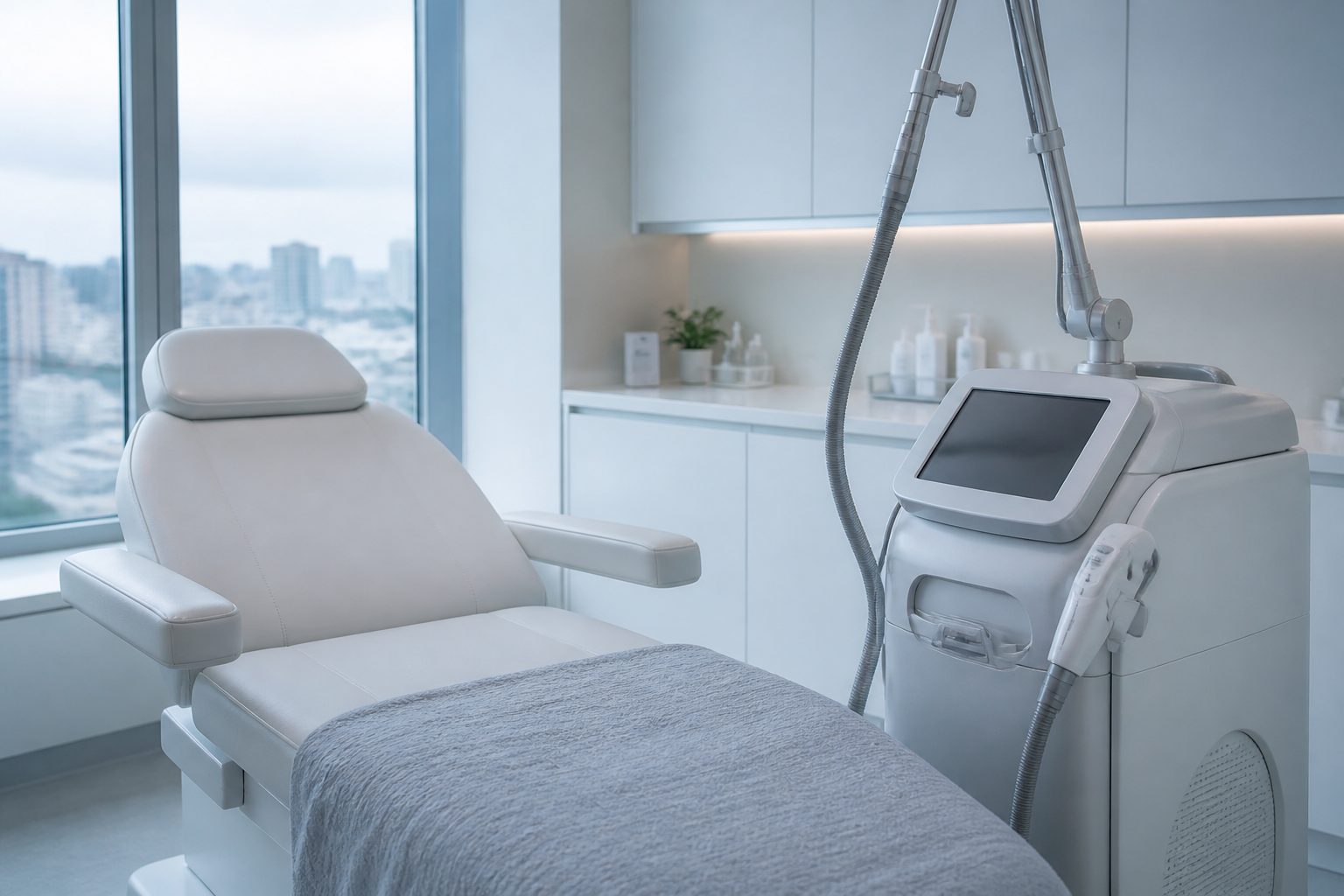
Acne scar removal is a common cosmetic procedure, but prices vary widely depending on where you seek treatment. In the USA, UK, and Thailand, costs per session can range from a few hundred to several thousand dollars, depending on the technique and clinic.
This guide provides a practical overview of what to expect for acne scar removal costs in these three countries. It’s aimed at patients and families planning skin treatment, comparing prices, inclusions, and what drives the cost.
Overview: Acne scar removal cost ranges
Acne scar removal is an umbrella term for several procedures, including laser treatments (like fractional CO2 and Er:YAG), microneedling, chemical peels, subcision, and dermal fillers. The choice of treatment depends on the type and severity of scarring, skin type, and personal goals. Costs are influenced by the technology used, the clinic’s location and reputation, and the number of sessions required.
In the USA, a single session of laser resurfacing can cost anywhere from $1,000 to $5,000. The UK offers similar treatments at £200 to £2,500 per session. Thailand is known for lower prices, with sessions starting as low as $150 and going up to $2,000 in high-end clinics. Most patients require multiple sessions, so total costs can add up.
What is included in acne scar removal prices
The total price you pay for acne scar removal can include several components, and what is included may differ significantly between countries and clinics. Typically, the core of the cost covers the actual procedure—whether it’s laser resurfacing, microneedling, subcision, or chemical peels. This includes the use of specialized equipment, all necessary consumables (such as sterile needles or laser tips), and the practitioner’s professional fee. In the USA and UK, it is common for clinics to itemize costs, charging separately for the initial consultation, topical anesthetics, and any aftercare products you may need post-treatment.
For example, in the USA, a consultation might cost $100–$250, and topical anesthetic creams or gels can add another $30–$50 per session. Aftercare kits, which often include soothing creams, sunscreen, or healing ointments, may be an extra $50–$100. Some clinics offer bundled packages that include a set number of treatment sessions, all necessary aftercare, and follow-up appointments, but always confirm exactly what is covered before you commit. In the UK, the structure is similar, with consultations and aftercare often billed separately, especially in private clinics.
In Thailand, many clinics cater to international patients by offering all-inclusive packages. These often cover the consultation, treatment sessions, anesthetics, and aftercare in one price. However, it’s still essential to ask for a clear, itemized quote to ensure there are no unexpected charges. Pathology or lab tests are rarely needed for acne scar removal unless you have an underlying skin condition that requires investigation. Always clarify with the clinic what is—and isn’t—included in your quoted price to avoid surprises and ensure you’re comparing like-for-like when researching options in different countries.
Acne scar removal techniques: What affects the price
The type of procedure significantly affects the cost. Here are the most common options:
- Fractional laser resurfacing: Highly effective for deep scars; most expensive; requires downtime.
- Microneedling: Suitable for mild-to-moderate scars; lower cost; minimal downtime.
- Chemical peels: Effective for superficial scarring; moderate cost; several sessions needed.
- Subcision: Used for rolling scars; often combined with other treatments.
- Dermal fillers: Temporary improvement for indented scars; repeat treatments needed.
Fractional CO2 laser is the gold standard for severe scarring but is also the most expensive. Microneedling and chemical peels are more affordable but may require more sessions for similar results. The technology used (e.g., brand and type of laser), the provider’s expertise, and the clinic’s location all influence the final price.
Cost comparison: USA vs UK vs Thailand
Below is a comparative table showing indicative costs for common acne scar removal procedures in each country. These are per session estimates; most patients need 3-6 sessions for optimal results.
| Country | Fractional Laser | Microneedling | Chemical Peel | Consultation |
|---|---|---|---|---|
| USA | $1,500-$5,000 | $300-$800 | $200-$600 | $100-$250 |
| UK | £800-£2,500 ($1,000-$3,200) | £200-£500 ($260-$650) | £150-£400 ($200-$520) | £80-£200 ($100-$260) |
| Thailand | $400-$2,000 (฿15,000-฿70,000) | $150-$500 (฿5,000-฿18,000) | $100-$300 (฿3,500-฿10,000) | Often included |
Note that prices at premium clinics, especially in major cities, can be higher. Package deals for multiple sessions may offer savings. Always check what is included in the quoted price.
Hidden costs and what is not included
When budgeting for acne scar removal, it’s important to look beyond the headline price and consider additional expenses that may not be immediately obvious. Many clinics, especially in the USA and UK, charge separately for the initial consultation, which can cost $100–$250 or £80–£200. Topical anesthetics, essential for comfort during many procedures, may be billed as an extra fee per session. Aftercare products, such as soothing creams, prescription ointments, or high-SPF sunscreens, are often recommended to optimize healing and protect your skin but are not always included in the treatment price.
- Consultation fees: Frequently a separate cost in the USA and UK; sometimes bundled in Thailand, especially at clinics targeting medical tourists.
- Topical anesthetics: Can add $30–$50 per session if not included in the package.
- Aftercare products: Expect to spend $50–$100 or more, depending on the recommended regimen and your skin’s needs.
- Follow-up visits: Some clinics include one or two follow-ups, while others charge for each additional appointment.
- Travel and accommodation: If you’re considering treatment abroad, factor in the cost of flights, hotel stays, local transportation, and possibly travel insurance. In Thailand, even with lower procedure costs, these expenses can add up.
- Time off work: Laser and some microneedling procedures may require a few days of downtime, which could mean lost income if you need to take unpaid leave.
It’s also crucial to understand that health insurance almost never covers acne scar removal, as it is classified as a cosmetic, elective procedure. This means you will be responsible for the full cost, typically paying upfront or per session. Always request a full breakdown of all potential costs before starting treatment, and factor these into your overall budget to avoid unexpected financial surprises along the way.
How to save money safely on acne scar removal
There are ways to reduce your total spend without compromising safety or results:
- Package deals: Many clinics offer discounts for booking multiple sessions in advance.
- Choose the right procedure for your scars: Not all scars require expensive laser treatments. Ask about alternatives like microneedling or subcision, which may be more affordable and equally effective for certain scar types.
- Consider medical tourism: Thailand offers high-quality dermatology care at a lower price, especially at JCI-accredited hospitals and clinics with English-speaking staff.
- Look for genuine accreditations: Accredited clinics adhere to international safety standards. In the UK, look for Care Quality Commission (CQC) registration. In Thailand, JCI or Thai Ministry of Public Health certification is a plus.
- Avoid unregulated providers: Cheap treatments at salons or non-medical spas carry risks of infection and poor results.
Never compromise on safety for cost savings. Always verify the qualifications of your dermatologist or laser technician.
Choosing a clinic: What to check
Choosing the right clinic for acne scar removal is essential to ensure both safety and the best possible results. Start by verifying the qualifications and experience of the medical professionals who will perform your treatment. In the USA, look for board-certified dermatologists or plastic surgeons with specific experience in acne scar procedures. In the UK, practitioners should be registered with the General Medical Council (GMC) or the British Association of Dermatologists. In Thailand, reputable clinics often have internationally trained doctors and should be accredited by the Ministry of Public Health or recognized medical boards.
- Specialist qualifications and experience: Ask about the practitioner’s training, years in practice, and how frequently they perform acne scar treatments.
- Equipment and technology: Inquire about the types and brands of lasers or microneedling devices used. Newer technologies, such as fractional CO2 lasers, may offer better results but can be more expensive.
- Number of sessions: Request an estimate based on your scar type. Some clinics provide personalized treatment plans after an initial assessment.
- Price transparency: Confirm what is included in the quoted price—are consultations, anesthetics, and aftercare products covered?
- Before-and-after photos: Reviewing real patient results (with consent) can give you realistic expectations.
- Accreditation: Check for registration with relevant health authorities or independent accreditation bodies.
- International patient support: For those traveling abroad, language support and assistance with travel logistics can be important.
Always arrange an in-person or video consultation before making a commitment. This gives you a chance to discuss your goals, receive a tailored treatment plan, and clarify all costs. Ask for a written quote and a detailed explanation of the aftercare process, including any restrictions or special instructions for your skin type. Taking these steps will help you choose a clinic that meets high standards of care and delivers the results you want.
How many sessions are needed and what to expect
The number of sessions required for acne scar removal depends on several key factors: the type and depth of your scars (such as ice pick, boxcar, or rolling scars), your skin type, the technology used, and your personal healing response. In the USA and UK, treatments like fractional laser resurfacing or microneedling typically require between 3 and 6 sessions, each spaced about 4 to 6 weeks apart to allow the skin time to heal and regenerate. In Thailand, clinics often follow similar protocols, though some may offer intensive packages that combine multiple modalities for faster results.
Other methods, such as chemical peels or subcision, may require a different number of sessions based on your individual needs. Chemical peels, for example, might be performed every 2 to 4 weeks and could require up to 6 or more sessions for significant improvement. Some patients may also benefit from combination therapy, where different techniques are used in tandem to address multiple scar types.
After each session, expect some degree of redness, swelling, or sensitivity in the treated areas. Laser procedures generally involve more downtime, with redness or peeling lasting several days. Microneedling typically results in mild swelling and redness that subsides within 48 hours. It’s important to follow your dermatologist’s aftercare instructions closely to minimize risks and optimize healing.
Visible improvement is usually gradual. Some patients notice smoother skin after the first session, but more dramatic changes become apparent after several treatments. Maintenance sessions may be recommended annually or as needed to preserve results, especially for those prone to new breakouts or scarring. Your dermatologist will assess your progress at each stage and adjust your treatment plan as necessary to ensure the best outcome for your unique skin concerns.
Planning your treatment trip to Thailand
Thailand is a popular destination for medical tourists seeking quality dermatology care at lower prices. Major cities like Bangkok, Chiang Mai, and Phuket have internationally accredited clinics with experienced dermatologists. English is widely spoken in private hospitals and clinics catering to foreigners.
When planning a trip, factor in the need for multiple sessions. Some clinics offer intensive programs for visitors, with shorter intervals between treatments. However, allowing your skin time to heal between sessions is crucial for safety and results. Ask about remote follow-up options if you cannot stay for the full course.
Travel and accommodation costs are additional. Many clinics offer airport pickup, hotel partnerships, and translation services for international patients. Always check the latest travel health requirements before booking.
The bottom line
Acne scar removal costs can vary dramatically depending on where you seek treatment, the type and severity of your scars, and the specific techniques used. In the USA, prices tend to be the highest, with advanced laser treatments costing several hundred to several thousand dollars per session, depending on the clinic’s reputation, location (urban clinics are often pricier), and the technology used. In the UK, costs are somewhat lower but still substantial, especially at private clinics in major cities. Thailand is known for offering more affordable options, with many clinics catering to international patients and offering package deals that include multiple sessions and aftercare.
When considering acne scar removal, it is crucial to balance cost with quality. The most important factors are the experience and qualifications of the practitioner, the clinic’s safety standards, and the suitability of the equipment for your skin type. Cheaper treatments may be tempting, but substandard care or outdated technology can lead to disappointing results or even complications. Always research clinics thoroughly, check reviews, and ask for before-and-after photos of real patients.
Before beginning any treatment, request a comprehensive, written quote that details exactly what is included—such as consultations, aftercare, and follow-up visits. Be cautious of clinics offering prices that seem unusually low, as this can be a red flag for inadequate safety protocols or inexperienced staff. Ultimately, the best choice for acne scar removal is one that fits your budget, matches your skin’s needs, and gives you confidence in both the clinic and the practitioner’s expertise.
Frequently asked questions
How many sessions will I need for acne scar removal?
Most patients require 3 to 6 sessions of laser or microneedling treatments, spaced several weeks apart. The exact number depends on the severity and type of scarring, your skin type, and the technique used. Your dermatologist will provide a personalised plan after assessment.
Is acne scar removal painful?
Most modern treatments use topical anesthesia to minimise discomfort. Laser and microneedling procedures may cause a stinging or prickling sensation, and some redness or swelling after the session. Most patients tolerate the procedures well, but discuss pain management options with your clinic.
Can I combine acne scar removal with other skin treatments?
Yes, many patients combine scar removal with other dermatology procedures such as pigmentation or anti-ageing treatments. However, your skin needs time to heal between sessions. Always consult your dermatologist before combining treatments to avoid irritation or complications.
Are results from acne scar removal permanent?
Improvements from laser, microneedling, or chemical peel treatments are generally long-lasting, especially for deep scars. However, new acne or sun damage can create new scars or affect results. Maintenance sessions or ongoing skin care may be recommended to preserve your results.
Is it safe to have acne scar removal in Thailand?
Thailand has many reputable dermatology clinics with international accreditations and experienced specialists. Safety standards are high in established clinics, especially in major cities. Always verify the clinic’s credentials and avoid unlicensed providers.
Related guides
Disclaimer: Prices are indicative and vary by case, clinic, and location. Always obtain a detailed written quote and consult a qualified dermatologist before starting treatment.