
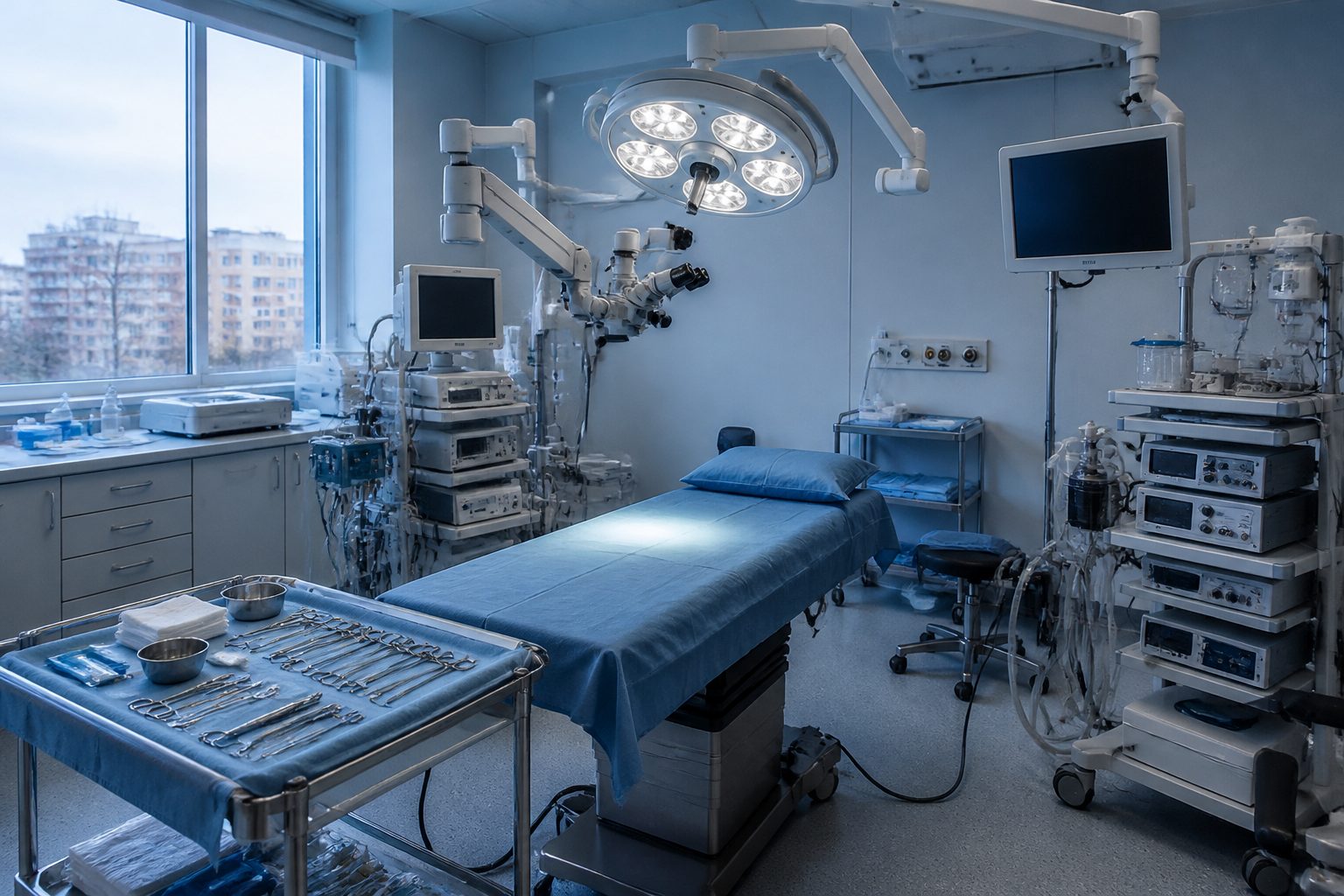
This guide is for patients and families comparing septoplasty surgery costs in Turkey, Germany, and the USA. Whether you are considering the procedure for breathing issues or to correct a deviated septum, you will find typical price ranges, what’s included, and essential planning tips here.
Septoplasty prices vary widely: expect $1,200 to $2,500 in Turkey, $3,500 to $7,000 in Germany, and $6,000 to $14,000 in the USA. Read on for a detailed breakdown and practical advice for international ENT care seekers.
What is septoplasty and who needs it?
Septoplasty is a surgical procedure designed to straighten or repair the nasal septum, the thin wall of cartilage and bone that separates the two nostrils. A deviated septum occurs when this wall is off-center or crooked, which can obstruct normal airflow and cause a variety of health issues. Common symptoms of a deviated septum include chronic nasal congestion, difficulty breathing through one or both nostrils, frequent sinus infections, nosebleeds, facial pain, and snoring or sleep disturbances such as sleep apnea.
Septoplasty is typically recommended for individuals who experience persistent nasal obstruction or related symptoms that do not improve with medical treatments like decongestants, nasal steroid sprays, or antihistamines. Both adults and children can be candidates for septoplasty, though the procedure is more commonly performed on adults once facial growth is complete. In some cases, children with severe breathing problems may undergo the surgery earlier, but this is less frequent.
The surgery is usually performed by ENT (Ear, Nose, and Throat) specialists, also known as otolaryngologists. During the procedure, the surgeon makes an incision inside the nose, repositions or removes deviated portions of cartilage and bone, and then sutures the septum in its corrected position. Septoplasty can be performed alone or combined with other nasal procedures for optimal results. For instance, it is often paired with turbinate reduction (to further open the nasal airway) or sinus surgery (to address chronic infections). In some cases, cosmetic rhinoplasty is performed alongside septoplasty to improve both function and appearance.
Patients considering septoplasty should have a thorough evaluation by an ENT specialist, including a physical examination and possibly imaging studies such as nasal endoscopy or CT scan. This ensures that surgery is appropriate and provides the best chance for symptom relief and improved quality of life.
Septoplasty cost comparison: Turkey, Germany, and USA
The cost of septoplasty depends on location, hospital type, surgeon experience, and what is included in the package. Here is a comparison of typical price ranges:
| Country | Typical cost range | Currency (local) | Inclusions |
|---|---|---|---|
| Turkey | $1,200 – $2,500 (₺39,000 – ₺81,000) | Turkish Lira | Surgeon, anesthesia, 1 night stay, routine tests, basic meds |
| Germany | $3,500 – $7,000 (€3,200 – €6,400) | Euro | Surgeon, anesthesia, 1-2 nights stay, routine tests, meds |
| USA | $6,000 – $14,000 | USD | Surgeon, anesthesia, outpatient or 1 night, basic tests, meds |
Prices are for straightforward septoplasty only. If you need additional procedures (e.g., rhinoplasty, endoscopic sinus surgery), costs may increase significantly.
What is included in the surgery price?
Understanding what is included in the quoted price for septoplasty is essential for proper financial planning. While the core components of the procedure are usually covered, the extent of inclusions can vary greatly depending on the country, hospital, and whether you are a local or international patient.
- Initial consultation and pre-op assessment: Most packages include an ENT specialist’s assessment and basic preoperative check-up. In Germany and the USA, this may be billed separately if you have not already seen the surgeon.
- Surgical fees: The fee for the ENT specialist performing the septoplasty is typically the largest portion of the cost. This covers the surgeon’s time, expertise, and use of surgical tools.
- Anesthesia: Both local and general anesthesia are usually included, but in the USA and Germany, the anesthesiologist’s fee may be listed as a separate line item. In Turkey, international packages often bundle anesthesia into the total price.
- Hospital or clinic stay: Most septoplasties are outpatient, but a short hospital stay (1-2 nights) may be included if medically necessary. In the USA, hospital facility fees can be a significant extra cost if not bundled. Turkish clinics often include a night’s stay in their packages for international patients.
- Routine tests: Standard blood work, ECG, and basic imaging (such as X-rays) are generally included, but more advanced scans (like CT) may incur extra charges, especially in Western countries.
- Standard medications and nasal packing: The cost of post-op nasal packing and basic medications (painkillers, antibiotics) is usually included, though prescription refills or non-standard drugs may not be.
- First follow-up visit: Many clinics include a single post-operative check-up in the package. In the USA and Germany, follow-up appointments may be billed separately, while in Turkey, they are more often included, especially for international patients.
It’s important to note that package inclusions can differ significantly. In Germany and the USA, you may face separate bills for anesthesia, hospital facilities, and follow-ups, which can drive up the total cost. In Turkey, clinics catering to international patients often offer more comprehensive packages, sometimes including airport transfers, translation services, and basic aftercare. Always review the details of your quote, ask for clarification on any ambiguous items, and ensure you understand what is—and isn’t—covered before committing to surgery.
What is not included: Hidden costs to watch for
While the advertised price for septoplasty might seem comprehensive, there are often several hidden or overlooked costs that patients may encounter. Understanding these potential extra expenses is crucial for accurate budgeting, especially for those traveling internationally for surgery. Here are some of the most common hidden costs:
- Preoperative diagnostics: Essential tests such as nasal endoscopy, CT scans, or allergy workups are frequently billed separately. In the USA and Germany, these imaging studies can add several hundred dollars or euros to your total bill, while in Turkey, some clinics may include them, but others do not.
- Additional procedures: If your surgeon discovers nasal polyps, enlarged turbinates, or recommends combining septoplasty with cosmetic rhinoplasty, these will significantly increase the cost. In Germany and the USA, each added procedure is itemized. In Turkey, bundled deals may be available, but always confirm specifics.
- Complications and extended stays: If you require an overnight hospital stay due to complications, or need additional monitoring, expect extra charges. In the USA, even a single extra night can cost thousands; in Turkey and Germany, the fees are usually lower but still notable.
- Travel and logistics for international patients: Flights, visas, airport transfers, and accommodation are almost never included in medical packages. Some Turkish clinics offer airport pickup or discounted hotel rates, but these are not standard everywhere.
- Medications and specialist consultations: Post-op antibiotics, pain medication, or extra ENT consultations can add up, especially in the USA where prescription costs are high. In Germany, you may need to pay out-of-pocket for medications not covered by insurance.
- Post-op supplies: Items like saline sprays, nasal dressings, and special cleaning solutions are rarely included and can cost more than expected, particularly for longer recovery periods.
- Revision surgery: If the initial septoplasty does not yield the desired result or complications arise, revision surgery is an added cost. This is rarely covered by the initial quote and can be substantial in any country.
To avoid surprises, always request a detailed, written quote that specifies exactly what is and isn’t included. For those traveling to Turkey, ask whether airport transfers, translation services, and aftercare support (such as remote follow-ups or emergency contacts) are part of your package. In Germany and the USA, clarify if anesthesia, facility fees, and follow-up visits are itemized or bundled. Being proactive about these hidden costs will help you budget accurately and avoid stress during your recovery.
What drives the price differences?
Several factors explain the large variation in septoplasty costs between Turkey, Germany, and the USA:
- Labour costs and insurance overhead: Medical staff salaries and malpractice insurance are much higher in the USA and Germany than in Turkey.
- Hospital type: University hospitals and large private hospitals in Germany and the USA tend to charge more than mid-sized clinics. In Turkey, medical tourism clinics may offer bundled pricing.
- Accreditation and reputation: JCI- or NABH-accredited hospitals, or those with a strong international patient department, may charge more but offer added safety and support.
- Complexity: If you need additional procedures (sinus work, cosmetic changes), the bill can double or triple.
- Location within each country: Major cities and capital regions generally have higher prices than smaller towns.
Always compare not just the price, but the experience and credentials of the ENT team, and the quality of the facility.
How to save safely on septoplasty abroad
Traveling abroad for septoplasty can offer significant savings, but it’s important to prioritize safety and quality over cost alone. Here are practical steps and considerations to help you save money without compromising your health:
- Choose a reputable, accredited clinic: Look for clinics or hospitals with international accreditations such as JCI or national health ministry approval. Read independent patient reviews on platforms like Google, RealSelf, or medical tourism forums to ensure the facility maintains high standards of care and patient satisfaction.
- Get a comprehensive, written quote: Request a detailed breakdown of all costs, including surgery, anesthesia, hospital stay, medications, follow-up visits, and any extras like translation or airport transfers. Make sure the quote lists both inclusions and exclusions, as well as cancellation or refund policies in case of changes to your plans.
- Avoid unnecessary add-ons: Some clinics may suggest additional procedures, such as cosmetic rhinoplasty or sinus surgery, that are not medically necessary. While these may be appropriate in some cases, always seek a second opinion if you are unsure and focus on addressing your primary health concern.
- Plan your trip carefully: Budget for a stay of at least 5-7 days, allowing time for preoperative assessment, surgery, and initial recovery. Avoid booking the earliest possible return flight, as you may need extra days for follow-up checks or in case of minor complications.
- Consider total costs, not just surgery price: Factor in airfare, visa fees, accommodation, transportation, and meals. Sometimes, a slightly higher-priced clinic in a central location with included services can save you money overall compared to a lower-cost clinic with hidden extras and longer travel times.
Above all, never choose a clinic based solely on price. The surgeon’s experience, facility safety standards, and the availability of aftercare are far more important than saving a few hundred dollars. Take your time to research, compare options, and communicate directly with clinics before making a decision. Your health and safety should always come first when seeking affordable septoplasty abroad.
How to choose a hospital or clinic for septoplasty
Selecting the right hospital or clinic for your septoplasty is a critical decision that can impact both your safety and surgical outcome. Here are several important factors to consider, along with practical steps you can take to ensure you make an informed choice:
- Specialist expertise: Seek out ENT surgeons with extensive experience in septoplasty and related nasal surgeries. Inquire about the surgeon’s training, years in practice, and the number of septoplasty procedures performed annually. In Germany and the USA, you can often verify a surgeon’s credentials through medical boards or professional societies. In Turkey, look for international certifications and ask for the surgeon’s CV.
- Volume and reputation: High-volume centers, especially those specializing in ENT procedures, tend to have more efficient protocols and lower complication rates. Research hospital ratings and patient reviews, and check if the facility is known for treating international patients.
- Accreditation and safety standards: Choose hospitals with recognized accreditations such as JCI (Joint Commission International), ISO, or national health ministry certifications. These indicate adherence to high safety and quality standards. In Turkey, many private clinics catering to medical tourists hold such accreditations.
- International patient services: If you are traveling from abroad, look for clinics that provide comprehensive support, including visa assistance, translation services, airport pickup, and help with accommodation. These services can make your experience smoother and less stressful.
- Cost transparency: Insist on a detailed, written quote that outlines all possible fees, from the initial consultation to post-op care. Ask specifically about anesthesia, hospital stay, follow-up visits, and any potential extra charges for complications or additional procedures.
To further ensure you are making the right choice, request information on the clinic’s infection rates, anesthesia team qualifications, and nursing staff experience. If possible, ask to speak with previous international patients to learn about their experiences, recovery process, and any challenges they faced. Doing your homework ahead of time can help you avoid unexpected problems and ensure that your septoplasty is performed in a safe, reputable facility.
Planning your trip: Timing, recovery, and logistics
Proper planning can make your septoplasty journey smoother and safer. Here are practical considerations:
- Pre-surgery: Most clinics require you to arrive at least 1-2 days before surgery for assessment and tests. Bring all relevant medical records, allergy lists, and previous imaging if available.
- Surgery day: Septoplasty is usually done under general anesthesia and takes 30–90 minutes. Most patients stay 1 night, but some are discharged the same day if local regulations and your health allow.
- Post-surgery: Expect nasal packing (removed after 1-3 days), mild pain, and swelling. Plan for 7–10 days before flying home. Follow-up at the clinic is usually required before departure.
- Recovery: Full recovery takes about 2–4 weeks. Avoid strenuous activity, blowing your nose, or dusty environments.
- Travel companions: Bringing a relative or friend is advised, especially for the first few days after surgery.
Check your airline’s policy on post-surgical travel and ensure you have medical travel insurance covering complications and rescheduling.
Frequently asked questions
Is septoplasty covered by insurance?
In the USA and Germany, insurance may cover septoplasty if it is medically necessary (not cosmetic). In Turkey, international patients usually pay out-of-pocket. Always check with your insurer and get pre-authorization if possible.
Can I combine septoplasty with rhinoplasty or sinus surgery?
Yes, many patients combine septoplasty with other nasal surgeries. This may improve breathing and appearance but increases cost and recovery time. Ask your surgeon if combined surgery is appropriate in your case.
How long do I need to stay after surgery?
Most clinics recommend staying 7–10 days after septoplasty to monitor healing and remove nasal packing. Complications are rare but easier to address if you remain nearby for a week after your procedure.
Are there risks or complications?
All surgeries carry risks. For septoplasty, these include bleeding, infection, persistent obstruction, or septal perforation. Choose an experienced ENT surgeon and follow all pre- and post-op instructions to reduce your risk.
Can children have septoplasty?
Septoplasty is sometimes performed in children with severe obstruction, but most surgeons prefer to wait until after facial growth is complete. Discuss age and timing with your ENT specialist for the safest outcome.
Related guides
Disclaimer: Prices and information in this guide are indicative and may vary by individual case, hospital, and country. Always request a written quote and consult a qualified ENT specialist before making decisions about surgery or travel.