
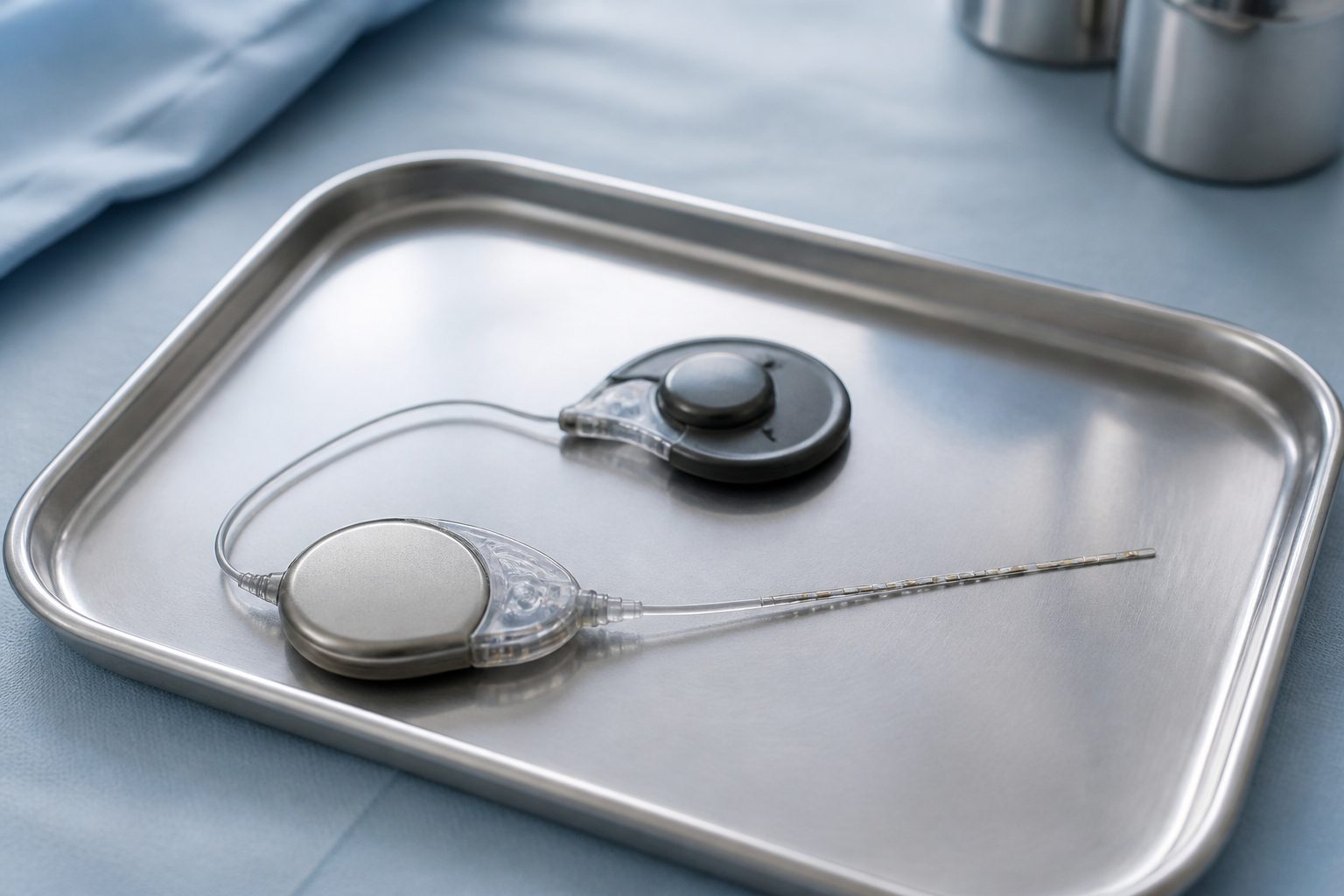
Cochlear implant surgery in the UK is a significant investment, with total costs usually ranging from $30,000 to $40,000 (GBP £24,000–£32,000) per ear. Most patients and families are surprised by the price, especially compared to hearing aids or to prices in other countries.
This guide explains the main factors driving cochlear implant costs in the UK, what is included in the price, and how UK costs compare internationally. If you are considering this life-changing surgery for yourself or a loved one, understanding these details will help you plan and budget more confidently.
What is included in UK cochlear implant pricing?
When considering private cochlear implant surgery in the UK, it’s important to understand exactly what the quoted price includes, as comprehensive packages can differ between hospitals and clinics. Typically, the cost is designed to cover the entire treatment pathway, but you should always verify the details with your provider.
- Initial assessment: This includes a series of hearing tests, imaging (such as MRI or CT scans), and a full evaluation of your suitability for implantation. Some centres may also include consultations with a multidisciplinary team.
- Device procurement: The package usually covers the cost of the cochlear implant itself and the external sound processor. The choice of device brand and model can influence the overall price, as some models have advanced features or longer warranties.
- Surgical fees: This encompasses the surgeon’s fee, anaesthetist’s fee, and all operating theatre charges. Experienced surgeons and prestigious hospitals may command higher fees.
- Hospital stay: Most packages include a stay of 1–2 nights post-surgery, covering nursing care, routine medications, and meals. Extended stays or special requirements may incur extra charges.
- Immediate post-operative care: Monitoring and care in the immediate recovery period are included, as well as management of any minor complications that may arise during the hospital stay.
- Activation and initial programming: The first “switch-on” of the implant and initial mapping sessions are part of the standard package. This is when your device is activated and tailored to your hearing needs.
- Follow-up mapping sessions: Typically, 2–5 follow-up visits are included to adjust the processor settings as your brain adapts to new sounds. The exact number of included sessions varies by provider.
- Initial rehabilitation: Early sessions with an audiologist or speech therapist are usually covered to help you adapt to the implant and develop listening skills.
However, not all packages are created equal. Some clinics may limit the number of follow-up visits or rehabilitation sessions, and additional costs may apply for extended therapy, lost or damaged processors, or extra accessories such as remote microphones or waterproof covers. Processor upgrades, which may be needed every few years, are rarely included in the initial package and can be expensive. Always request a detailed, itemised quote and ask about the cost of future maintenance, replacement parts, and long-term aftercare to avoid unexpected expenses. Being fully informed about what your package covers is essential for budgeting and peace of mind.
How much do cochlear implants cost in the UK?
The cost of cochlear implants in the UK can vary significantly depending on whether you are accessing care privately or through the National Health Service (NHS). For those seeking private treatment, the average all-inclusive price for a unilateral (one-ear) cochlear implant ranges from $30,000 to $40,000 (approximately GBP £24,000–£32,000). This fee typically covers the device, surgery, hospital stay, and initial follow-up care, but the exact amount depends on several factors. The main determinants include the hospital’s location (with London clinics often charging more than regional centres), the reputation and experience of the surgeon, and the specific brand and model of the cochlear implant chosen. Some hospitals may also charge extra for advanced technology or premium device features.
If you require bilateral (both ears) implantation, you can expect the cost to be roughly double, although some providers may offer a modest discount for the second ear. Additional costs may arise for extended aftercare, extra rehabilitation sessions, or replacement parts, so it is important to obtain a detailed quote in advance.
For UK residents who meet strict eligibility criteria, the NHS provides cochlear implants free of charge. However, access is highly regulated: eligibility is determined by national guidelines, and waiting times can be long, especially in areas with high demand or limited specialist centres. The NHS covers the full process, from assessment to long-term follow-up, but patients may need to travel to regional implant centres and face delays for non-urgent cases.
For overseas patients or those not eligible for NHS care (such as non-residents or those with private insurance), private sector treatment is the only option. In these cases, costs may include additional charges for pre-operative assessments, travel, accommodation, and, in some cases, interpreter services. Always confirm what is included in your quoted price before proceeding.
The main cost drivers for cochlear implants in the UK
Several factors explain why cochlear implant surgery is expensive in the UK’s private sector:
- Device cost: The cochlear implant system (internal electrode array, external sound processor, accessories) is the single largest expense, accounting for $15,000–$22,000 (GBP £12,000–£18,000) per unit. The UK market is dominated by four major manufacturers (Cochlear, MED-EL, Advanced Bionics, and Oticon Medical), and device prices are negotiated directly with hospitals. Unlike hearing aids, these are highly complex, custom medical devices subject to strict regulatory controls.
- Surgical and hospital fees: Cochlear implant surgery is a specialist procedure performed by consultant ENT surgeons (otologists) with dedicated audiology support. Fees include the surgeon, anaesthetist, operating theatre, and 1–2 nights’ inpatient stay. Private hospital costs in the UK are high by international standards, especially in major cities.
- Aftercare and rehabilitation: The price usually covers multiple follow-up mapping (programming) sessions and initial rehabilitation, which are essential for optimal hearing outcomes. Ongoing support may incur extra charges if additional sessions are needed or if the patient relocates.
- Regulatory and import costs: All devices must comply with UK and European (CE mark) standards, adding to procurement and importation expenses. Brexit has also increased some administrative costs for medical devices in the UK.
- Limited market scale: The UK performs fewer private cochlear implant surgeries than larger countries, so hospitals cannot benefit from the same volume discounts or economies of scale as some competitors abroad.
How UK cochlear implant costs compare internationally
Patients sometimes consider travelling abroad for cochlear implant surgery, especially if facing long NHS waits or high private fees. Here is a comparison of typical total costs (unilateral, all-inclusive) for major countries providing this service. Prices are indicative and may vary by city, hospital, and device choice.
| Country | Typical cost (USD) | Local currency | What’s included |
|---|---|---|---|
| UK | $30,000–$40,000 | GBP £24,000–£32,000 | Full package: device, surgery, hospital, initial aftercare |
| USA | $50,000–$100,000 | USD | Device, surgery, hospital, aftercare (insurance-dependent) |
| India | $12,000–$20,000 | INR ₹10–17 lakh | Device, surgery, hospital, initial mapping |
| Turkey | $18,000–$24,000 | TRY ₺570,000–760,000 | Device, surgery, hospital, aftercare (varies) |
| Germany | $32,000–$48,000 | EUR €29,000–€44,000 | Device, surgery, hospital, aftercare |
| Australia | $25,000–$38,000 | AUD $38,000–$58,000 | Device, surgery, hospital, aftercare |
| Thailand | $19,000–$28,000 | THB ฿670,000–990,000 | Device, surgery, hospital, initial aftercare |
| South Africa | $22,000–$32,000 | ZAR R410,000–R600,000 | Device, surgery, hospital, aftercare |
What is not included: hidden and ongoing costs
While most UK private cochlear implant packages are comprehensive, there are several expenses that may not be included, or that arise later:
- Upgrades and replacements: Sound processors typically last 5–7 years and may need replacing due to wear, loss, or technological advances. Upgrades can cost $6,000–$9,000 (GBP £5,000–£7,500) each, often not covered by the original surgery package.
- Additional mapping or rehab: If more follow-up sessions are needed beyond the package limit, extra charges apply (typically $200–$350 per session).
- Travel and accommodation: For non-local patients, costs for travel to the surgical centre and accommodation during treatment and follow-up can be significant.
- Accessories and repairs: Batteries, cables, water protection kits, and repairs for accidental damage may not be included.
- Future surgeries: In rare cases, device failure or medical complications require revision surgery, which is not always covered in the initial price.
How to save on cochlear implant costs in the UK
While the cost of private cochlear implantation in the UK is substantial, there are practical strategies to help manage and potentially reduce your expenses. Understanding your options and planning ahead can make a significant difference, especially for self-paying patients or those travelling from abroad.
- Compare providers: Prices for cochlear implants can vary widely between hospitals and clinics, particularly between London and regional centres. It’s wise to obtain detailed, written quotes from multiple reputable providers. Pay close attention to what each package includes, such as the number of follow-up visits, rehabilitation sessions, and whether device upgrades are covered.
- Ask about device options: Not all implant models are priced the same. Some manufacturers offer entry-level processors or special promotions, which can lower the upfront cost. Discuss with your surgeon and audiologist which device is most suitable for your hearing needs and financial situation. Sometimes, opting for a slightly older model can result in significant savings without compromising quality.
- Check for package deals: If you are considering bilateral implantation (both ears) or have more than one family member seeking implants (such as siblings), some clinics offer discounts or bundled packages. These can reduce the per-implant cost and may include additional aftercare or accessories.
- Consider travel insurance: Although surgical complications are rare, they can be costly if they occur. Comprehensive travel health insurance is especially important for overseas patients and should cover potential medical complications, additional hospital stays, and repatriation if needed. Always check the policy’s terms regarding elective procedures.
- Plan for aftercare: After the initial surgery, ongoing mapping, rehabilitation, and device maintenance are crucial for success. Ask in advance about the cost of extra mapping sessions, speech therapy, and future processor upgrades or replacements. Some clinics offer extended care packages at a reduced rate if purchased upfront.
Additional tips include exploring charitable funding, grants, or support from hearing loss organisations, which may occasionally be available for UK residents or children. Ultimately, being proactive—asking detailed questions, comparing offers, and planning for the long term—can help you control costs and avoid financial surprises during your cochlear implant journey.
Choosing a hospital or clinic in the UK
Selecting the right hospital or clinic for cochlear implant surgery in the UK is a crucial decision that can impact both your experience and outcomes. Several practical considerations should guide your choice to ensure you receive high-quality care, appropriate device options, and reliable aftercare.
- Surgeon and team experience: Look for centres with a proven track record in cochlear implantation, ideally performing a high volume of surgeries annually. Experienced surgeons and dedicated audiology teams are associated with better outcomes and lower complication rates. Ask about the team’s experience with your age group or specific needs (e.g., paediatric vs. adult patients).
- Accreditation: Major private hospitals in the UK are regulated by the Care Quality Commission (CQC), ensuring that they meet national standards for safety and quality. Some hospitals may also hold international accreditations, such as Joint Commission International (JCI), which can be especially reassuring for overseas patients. You can check CQC ratings online for transparency.
- Device choice: A reputable centre should offer a range of cochlear implant brands and models, providing unbiased advice tailored to your hearing needs, lifestyle, and budget. Ask whether you can compare different devices and discuss upgrade paths, warranties, and support for future technology advancements.
- Aftercare arrangements: Ongoing support is vital for long-term success. Confirm what aftercare is provided locally, such as mapping sessions, repairs, and rehabilitation. If you live far from the surgical centre or are travelling from abroad, check whether remote support or tele-audiology is available. Some centres have satellite clinics or partnerships with local audiologists to facilitate follow-up care.
- International patient services: If you are an overseas patient, inquire about services such as language interpretation, visa support, and help with travel and accommodation arrangements. Some hospitals have dedicated international patient coordinators to streamline your experience and ensure continuity of care after you return home.
Always request a written, itemised quote detailing exactly what is included in your package—especially regarding aftercare, device replacements, and potential additional costs. You may also want to seek testimonials or reviews from previous patients, and ensure that the centre’s approach aligns with your expectations for communication, transparency, and ongoing support. Taking these steps can help you choose a centre that offers both clinical excellence and practical support throughout your cochlear implant journey.
Planning your cochlear implant journey in the UK
Embarking on a cochlear implant journey in the UK involves a structured, multi-step process that can span several weeks or even months, depending on your individual circumstances and the availability of services. Understanding each stage helps you plan your time, budget, and expectations.
- Initial consultation: Your journey typically begins with a meeting with an ENT (Ear, Nose, and Throat) surgeon or a specialist audiologist. This visit includes a review of your medical history, discussion of hearing difficulties, and an explanation of the cochlear implant process.
- Comprehensive assessments: You will undergo detailed hearing tests, such as pure tone audiometry and speech perception tests, to determine the extent of hearing loss. Imaging studies like MRI or CT scans are performed to assess the inner ear’s structure and suitability for implantation.
- Multidisciplinary team review: Especially for children, a team of specialists—including audiologists, speech therapists, and sometimes psychologists—reviews your case to ensure all aspects of your care are considered. Adults may also benefit from team input to address medical and social factors.
- Device selection and consent: You’ll discuss available implant brands and models, balancing technological features, upgrade options, and costs. Informed consent is obtained after reviewing risks, benefits, and realistic expectations.
- Surgery: The operation is usually performed under general anaesthetic and takes 1–2 hours. The surgical technique and post-operative protocols can vary slightly between centres, but safety and outcomes are generally excellent in the UK.
- Hospital stay: Most patients remain in hospital for 1–2 nights for observation and initial recovery, although some centres may offer day-case surgery for straightforward cases.
- Healing period: A healing interval of 2–4 weeks follows, during which the surgical site recovers. During this time, you may be advised to avoid certain activities and monitor for any complications.
- Activation and mapping: After healing, your implant is switched on (“activation” or “switch-on”), and the external processor is programmed (mapped) to your hearing profile. This is a key milestone, but initial sound perception may be strange as your brain adapts.
- Follow-up and rehabilitation: Multiple follow-up sessions are scheduled to fine-tune the processor settings and provide auditory rehabilitation, which is crucial for optimal outcomes. Rehabilitation may include speech therapy, listening exercises, and counselling.
International patients sometimes arrange for the assessment and surgery to be completed in a single extended visit to the UK, but this requires careful coordination. Ongoing follow-up is essential, with several appointments typically needed in the first year for mapping and support. Increasingly, remote programming (tele-audiology) is available, allowing mapping and troubleshooting to be conducted online, but this service is not universally offered. Always confirm your centre’s approach to aftercare, especially if you live far away or are travelling from abroad.
Frequently asked questions
Can I get a cochlear implant on the NHS as an overseas patient?
Generally, the NHS only covers cochlear implants for UK residents who meet strict eligibility criteria. Overseas patients and self-paying individuals are usually directed to private care, where full costs apply. Always check your residency status and entitlements before making arrangements.
How long do cochlear implants last?
The internal component of a cochlear implant is designed to last for decades and rarely needs replacement. The external processor typically lasts 5–7 years before upgrades or replacements are needed. Regular maintenance and occasional repairs may also be required.
Is aftercare included in the UK cochlear implant package?
Most UK private providers include a set number of follow-up mapping and rehabilitation sessions in the initial price. However, extra sessions, future upgrades, or out-of-package repairs may incur additional charges. Always request a written summary of what is included.
Which device brand is best?
All major brands used in the UK (Cochlear, MED-EL, Advanced Bionics, Oticon Medical) meet high safety and performance standards. The best choice depends on individual hearing needs, anatomy, and lifestyle. Discuss options with your surgeon and audiologist.
Can children receive cochlear implants in the UK private sector?
Yes, private hospitals and clinics in the UK do provide cochlear implants for children, but specialist paediatric teams and aftercare are essential. Costs are similar to adult surgery, but additional rehabilitation and multidisciplinary support may be needed.
Related guides
Disclaimer: Prices in this article are indicative and can vary by hospital, device, and individual case. Always obtain a detailed written quote and consult a qualified ENT surgeon or audiologist before making any medical or financial decisions.