
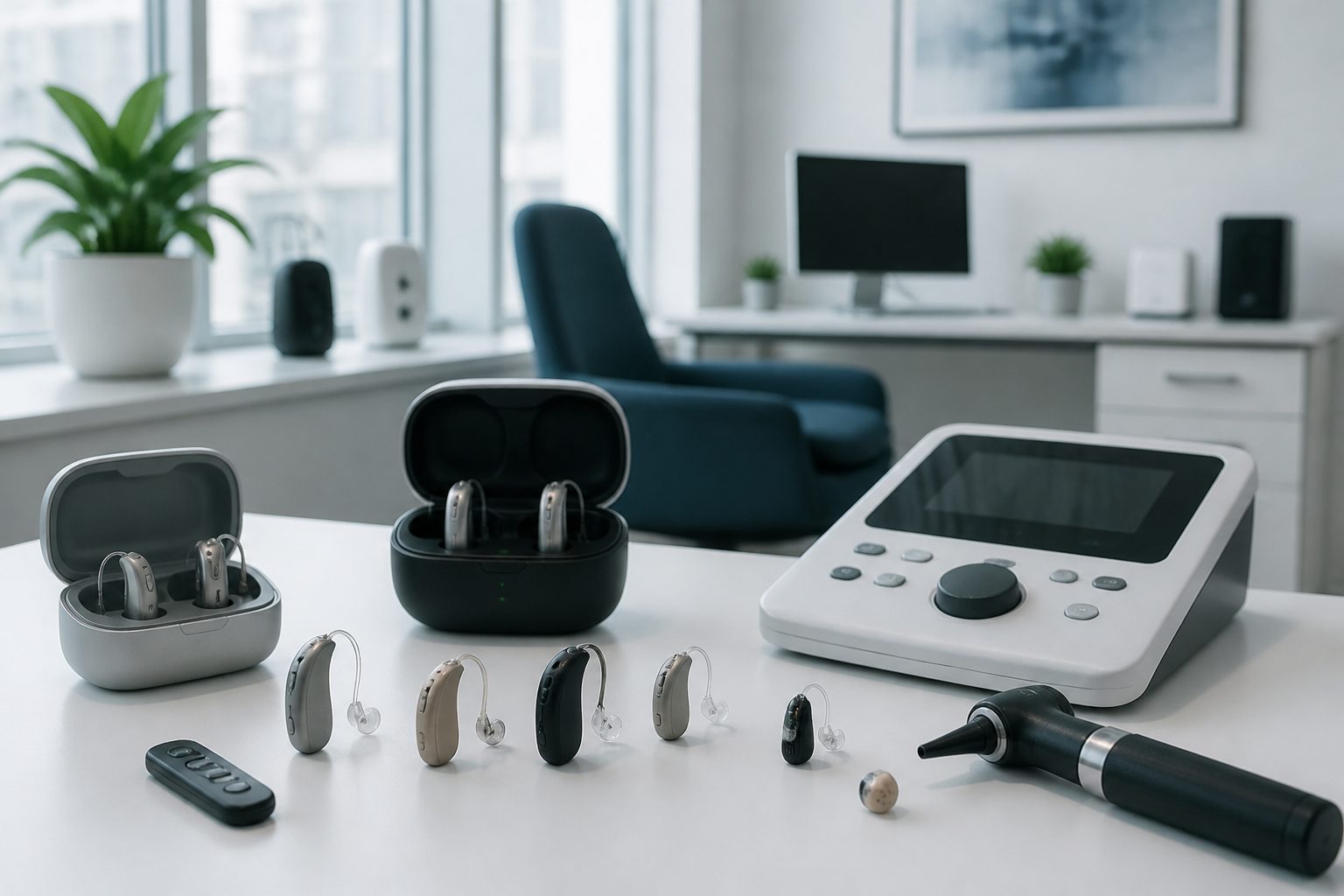
If you or a loved one needs a hearing aid in South Africa, you will likely encounter additional fees for fitting and adjustment. Hearing aid fitting fees typically range from $120 to $350 (R2,200–R6,500), depending on the clinic, device type, and services included.
This guide explains what the fitting fee covers, how costs are structured, what to expect at each stage, and how to avoid unnecessary expenses. It is designed for patients and families comparing clinics or planning for hearing care costs in South Africa.
What does the hearing aid fitting fee cover?
Hearing aid fitting is not a single event but a process involving several essential steps. The fitting fee generally covers the initial device setup, custom programming, and early follow-up visits. In South Africa, reputable audiology clinics bundle several services to ensure the device is tailored to your unique hearing profile.
- Initial fitting and programming: This includes calibrating the device, setting frequency response, and adjusting amplification based on your audiogram.
- Physical fitting: Ensuring the hearing aid or earmold fits comfortably and securely in your ear.
- Patient education: Training you in device use, cleaning, battery changes, and troubleshooting.
- First follow-up(s): Typically one or two appointments to fine-tune settings and address comfort or performance issues.
Some clinics may also include a basic starter pack (batteries, cleaning tools) or a short trial period, but this is not universal. Always confirm what is included before committing.
How much do fitting fees cost in South Africa?
Hearing aid fitting fees in South Africa can differ significantly depending on several concrete factors. The most notable cost determinants include the type of clinic (public hospital, private audiologist, or retail chain), the specific city or province, and the range of services bundled into the fee. Urban centres like Johannesburg, Cape Town, and Durban may see higher fees due to increased operational costs and greater demand, whereas rural clinics or public hospitals often offer lower pricing but may have longer wait times and fewer aftercare options.
- Public sector: Expect to pay between $40 and $90 (R700–R1,700). These fees generally cover only the basics, such as an initial fitting and a standard digital hearing aid. Follow-up appointments may be limited, and device choices are often restricted to entry-level models. Public hospitals may also have waiting lists, and aftercare is usually more basic compared to private services.
- Private audiologists: Fees here typically range from $120 up to $350 (R2,200–R6,500). The higher price reflects more comprehensive care, including detailed hearing assessments, custom programming, multiple follow-up visits, and sometimes even home visits or tele-audiology support. Private clinics may offer advanced device options (Bluetooth, rechargeable batteries, tinnitus masking) and more personalized aftercare.
- Chain providers: These national or regional franchises usually charge $110–$250 (R2,000–R4,600). Their fees may be bundled into the device price or offered as a separate package. Chains can offer competitive pricing due to bulk purchasing but may have less flexibility for customization and aftercare. Some chains provide free initial consultations but charge for ongoing support.
Many large hospitals and private clinics offer bundled packages where the hearing aid device cost and fitting fee are combined, which can simplify billing but make it harder to compare service quality. Always ask for a detailed written breakdown of what is included—such as the number of follow-ups, warranty period, and aftercare—so you can make an informed decision. Also, check whether medical aids (insurance) will cover any portion of the fitting fee, as this varies by provider and policy.
What is included – and what is not?
It is essential to clarify with your provider what the fitting fee does and does not include. Most fitting fees in South Africa cover:
- Initial hearing aid fitting appointment
- Basic programming based on your hearing test
- Physical fitting and comfort adjustments
- Device orientation and basic education
- At least one follow-up visit
However, the following are usually not included unless specifically stated:
- Hearing aid device itself (often billed separately)
- Comprehensive diagnostic hearing assessment (may be an additional $25–$70/R450–R1,200)
- Custom earmolds (if needed for your model)
- Long-term aftercare (beyond the first 1–2 months)
- Repairs, replacement parts, or extended warranties
- Additional follow-up visits (after the first included session or two)
Ask your clinic for a written list of what is included in the fitting fee and what will incur extra charges.
Comparison of hearing aid fitting fees by country
| Country | Typical fitting fee (USD) | Local currency | Notes |
|---|---|---|---|
| South Africa | $120–$350 | R2,200–R6,500 | Device not usually included |
| India | $25–$80 | ₹2,000–₹6,500 | Often bundled with device |
| Pakistan | $30–$90 | PKR 8,500–25,000 | Limited aftercare included |
| Bangladesh | $20–$70 | BDT 2,200–7,700 | Basic fitting only |
| Indonesia | $40–$100 | IDR 600,000–1,500,000 | Device and fitting often bundled |
| Philippines | $50–$120 | PHP 2,800–6,700 | Urban clinics may charge more |
| United States | $250–$600 | USD | Often includes several follow-ups |
| United Kingdom | $0 (NHS), $200–$400 (private) | GBP 0–320 | NHS covers fitting, private clinics charge |
| Australia | $180–$350 | AUD 270–530 | Government schemes may subsidise |
Hidden and extra costs to watch for
When comparing hearing aid fitting fees in South Africa, it’s essential to look beyond the advertised price and consider all possible extra charges that could increase your overall costs. Many clinics list a basic fitting fee, but you may encounter additional expenses for vital services or products that are not included in the initial quote. Here are some of the most common hidden and extra costs to be aware of:
- Diagnostic audiogram: If your last hearing test was more than six months ago, or if you’re a new patient, most clinics will require a fresh audiogram. This can cost between $25 and $70 (R450–R1,200). Some clinics include this in their fitting package, but others charge separately.
- Custom earmolds: For certain behind-the-ear or power hearing aids, custom earmolds are necessary for a proper fit and optimal sound quality. These typically cost $30–$90 (R550–R1,700), depending on the material and complexity. Replacement earmolds due to loss or wear are usually not covered by the initial fitting fee.
- Additional follow-ups: Most fitting packages include one or two follow-up visits, but further adjustments or troubleshooting appointments may incur charges of $20–$40 (R350–R750) per session. Be sure to clarify how many visits are included and what the cost is for extra appointments.
- Device repairs or servicing: Routine servicing, cleaning, or repairs for accidental damage are typically not covered by the fitting fee. Ask about warranty terms—some devices come with a one- or two-year warranty, but you may need to pay for repairs outside this period or for issues not covered by the manufacturer.
- Remote adjustments: Modern hearing aids often support remote programming or adjustments via smartphone apps. However, not all clinics provide this service for free; some may charge a fee or limit the number of remote sessions included in your package.
Other potential costs include batteries, chargers for rechargeable models, cleaning tools, and insurance for loss or theft. Always request a comprehensive, written breakdown of all possible fees before committing to a hearing aid package. This transparency will help you avoid surprises and budget accurately for your ongoing hearing care needs.
Ways to save on fitting fees
There are several safe ways to save on hearing aid fitting fees in South Africa without compromising quality:
- Shop around: Fees can differ by 40–60% between clinics, even in the same city. Compare at least three providers.
- Public hospitals: If eligible, public sector clinics offer much lower fitting fees, though device choices may be limited.
- Bundles: Some clinics discount the fitting fee if you purchase the device from them; check if this is genuinely cost-effective.
- Medical aid: Some insurance or medical aid schemes cover part or all of the fitting fee. Ask your provider for details and claim procedures.
- NGOs and university clinics: Some teaching hospitals and NGOs offer reduced fees for qualifying patients.
Never skip the fitting process to save money. Proper fitting is essential for hearing aid performance and comfort.
What to expect at your fitting appointment
Your hearing aid fitting appointment in South Africa is a crucial step in your journey to better hearing. Typically lasting between 60 and 90 minutes, the session is designed to ensure your new device is tailored to your unique hearing profile and lifestyle needs. Here’s a detailed breakdown of what you can expect during this appointment, along with some practical tips to help you prepare:
- Review of hearing assessment: The audiologist will begin by going over your most recent hearing test results, discussing your specific type and degree of hearing loss, and asking about your daily listening environments and communication challenges. This helps them understand your individual requirements and set realistic expectations.
- Earmold impression (if needed): For certain hearing aid styles, especially behind-the-ear models, an earmold impression may be taken. This involves placing a soft material in your ear canal to create a custom fit, ensuring comfort and optimal sound quality.
- Device programming: Using specialized software, the audiologist will program your hearing aid to match your hearing loss profile. This step is highly personalized and may involve real-ear measurements to fine-tune settings for different environments (quiet, noisy, music, etc.).
- Physical adjustments and comfort check: The audiologist will check that the device fits securely and comfortably. They may make minor adjustments to the earmold or dome, and ensure the hearing aid is not causing irritation or feedback.
- Instruction and hands-on training: You will receive detailed guidance on how to insert and remove the hearing aid, clean and maintain it, change batteries or use a charger (for rechargeable models), and troubleshoot common issues. Practical demonstration and supervised practice are standard, so don’t hesitate to ask questions.
- Initial feedback and follow-up scheduling: The audiologist will ask for your immediate impressions and note any concerns. A follow-up appointment will be scheduled—usually within one to two weeks—to assess your adaptation and make further adjustments if needed.
Good clinics in South Africa provide clear written instructions, warranty information, and a direct contact number for aftercare support. Bringing a family member or friend can be helpful for remembering instructions and providing emotional support. Remember, successful hearing aid use is a process, and ongoing communication with your audiologist is key to achieving the best results.
How to choose a hearing aid clinic in South Africa
Selecting the right hearing aid clinic in South Africa is about balancing cost, convenience, and quality of care. While pricing is important, other factors can significantly affect your long-term experience and satisfaction. Here are key considerations, along with practical steps you can take to ensure you choose the best provider for your needs:
- Qualified audiologists: Always verify that the audiologist is registered with the Health Professions Council of South Africa (HPCSA). This ensures they meet national standards for training and ethics. You can ask to see their registration certificate or check the HPCSA website. Experienced audiologists are more likely to provide accurate fittings and effective follow-up care.
- Device range: Some clinics are tied to specific brands or models, which can limit your options. Make a list of your priorities—such as Bluetooth connectivity, rechargeable batteries, or compatibility with smartphones—and ask whether these features are available. If you have unique hearing needs (e.g., profound loss, tinnitus), confirm that the clinic can provide suitable devices.
- Aftercare: Ongoing support is essential for successful hearing aid use. Ask how many follow-up visits are included in the fitting fee, what adjustments are covered, and whether remote support is available. Good clinics offer structured aftercare programs, including cleaning, servicing, and troubleshooting guidance.
- Transparency: Insist on a full, itemized written quote before proceeding. This should detail all included services (testing, fitting, follow-ups, warranty) and any potential extras (repairs, batteries, remote adjustments). Transparent pricing helps you avoid unexpected costs later.
- Location and accessibility: Choose a clinic that is easy to reach from your home or workplace since multiple visits are often required in the first few months. Consider parking availability, wheelchair access, and public transport links, especially if you have mobility challenges.
In addition to these practical factors, ask friends, family, or local hearing loss support groups for recommendations. Online reviews can also offer insight into a clinic’s reputation and service quality. Ultimately, the right clinic will combine professional expertise, a suitable device range, and strong aftercare in a location convenient for you.
Planning your hearing aid journey: practical tips
Getting the most out of your hearing aid fitting in South Africa involves careful planning and proactive steps before, during, and after your appointment. Here are some practical tips to help you navigate the process smoothly and make informed decisions that suit your lifestyle and budget:
- Check your hearing test date: Most South African clinics require a hearing test that is less than six months old to ensure accurate fitting. If your test is outdated, book a new assessment ahead of your fitting appointment. Some clinics offer this as part of a package, while others charge separately.
- Bring a support person: Having a family member or friend with you can be invaluable. They can help you remember instructions, ask questions you may not think of, and provide moral support. This is especially important if you’re anxious or if English is not your first language.
- Prepare questions: Write down any concerns or questions about device options (such as Bluetooth connectivity, water resistance, or battery life), aftercare services, warranty coverage, and all associated costs. Don’t be afraid to ask about trial periods, return policies, or upgrade options.
- Trial period: Ask the clinic whether they offer a trial or return period, which is common in some private practices and chain providers. This allows you to test the device in your daily life and return or exchange it if it doesn’t meet your needs. Clarify any fees or conditions attached to this policy.
- Follow-up commitment: Be prepared for at least one or two follow-up visits in the first month, as further adjustments are often needed for optimal comfort and performance. Make sure you can easily access the clinic for these appointments, and ask how additional visits are billed.
It’s also wise to keep a diary of your experiences with the hearing aid, noting situations where you struggle or where the device excels. Document all appointments and keep receipts, as these may be required for medical aid claims or tax purposes. Finally, consider joining a local hearing loss support group or online community for advice and encouragement throughout your journey.
Frequently asked questions
How much does a hearing aid fitting cost in South Africa?
The typical fee is $120–$350 (R2,200–R6,500) in private clinics, with lower rates in public hospitals. This usually covers the initial fitting and 1–2 follow-up visits.
Is the hearing aid device included in the fitting fee?
No, the device is usually billed separately. The fitting fee covers the professional time and services needed to customise and set up your hearing aid.
Are follow-up visits included?
Most clinics include at least one follow-up visit in the fitting fee. Additional visits for further adjustments may be charged separately, so ask for details in advance.
Can medical aid or insurance cover the fitting fee?
Some medical aid schemes and insurance plans do cover fitting fees, at least partially. Check with your insurer and the clinic about claim procedures before your appointment.
What happens if I am unhappy with my hearing aid fit?
Many clinics offer a short trial or adjustment period. If the device is uncomfortable or not working well, discuss your concerns promptly. Some clinics allow returns or exchanges under certain conditions.
Related guides
Disclaimer: Prices in this guide are indicative and can vary by clinic, device type, and individual needs. Always request a written quote and consult a qualified audiologist for personalised advice before making decisions.