
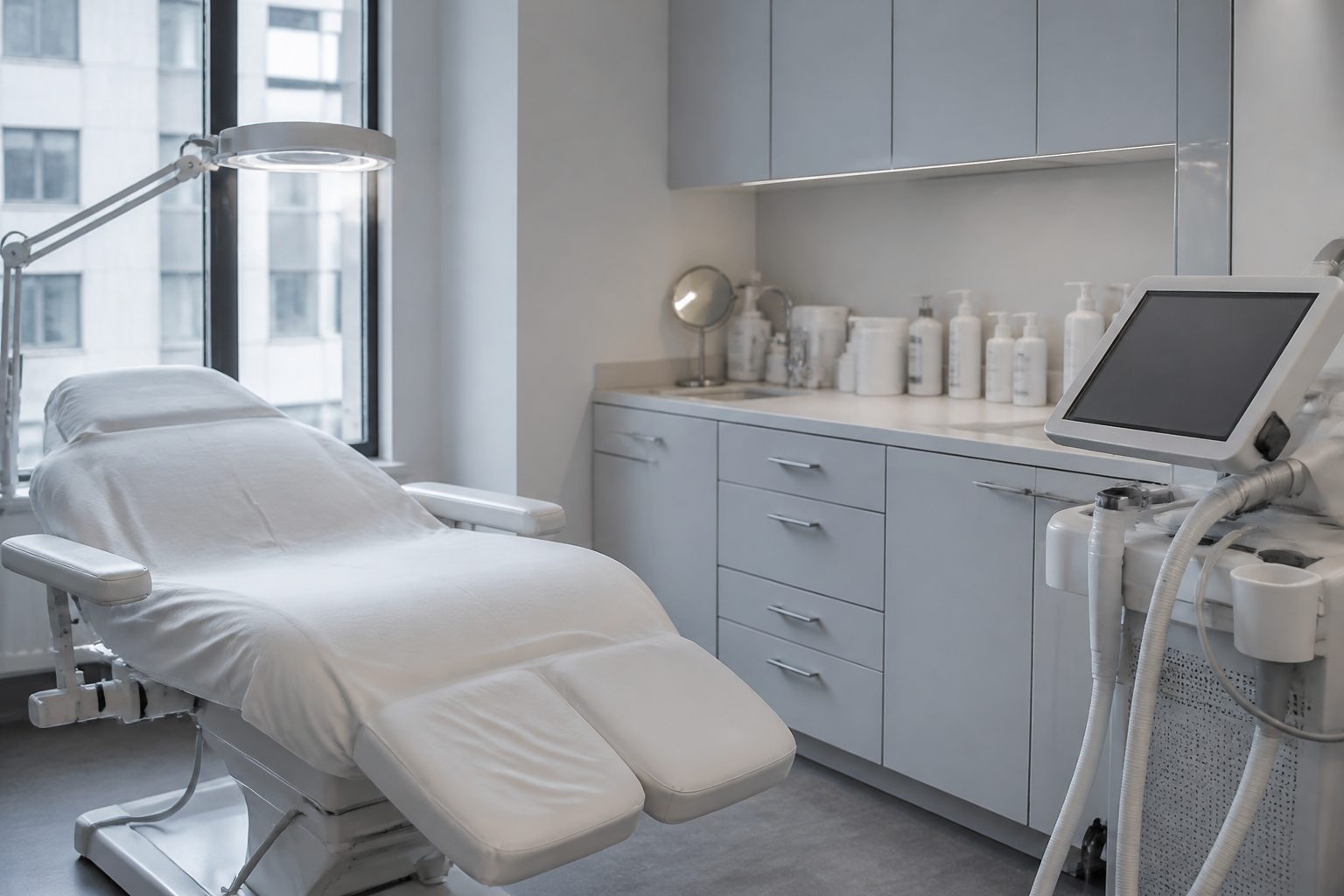
This guide is for patients and families seeking eczema treatment in Bangladesh. Expect monthly costs from $50 to $350 (৳5,500–৳38,500), depending on the type and intensity of therapy, clinic, and whether advanced treatments are needed.
We cover typical prices for doctor consultations, topical and oral medications, phototherapy, and advanced options in Bangladeshi dermatology hospitals and clinics. Read on for a practical cost breakdown, what’s included, and how to plan your care.
Eczema treatment options in Bangladesh
In Bangladesh, eczema care is widely accessible in urban areas through a network of private dermatology clinics, hospital outpatient departments, and some government hospitals. The treatment you receive will depend on the severity and type of your eczema, your medical history, and the resources available at the clinic or hospital you visit. Costs and access to therapies can vary greatly between large cities and rural regions.
Most patients begin treatment with a consultation by a dermatologist, who will assess your symptoms, review your medical history, and recommend a personalized care plan. The majority of mild to moderate cases are managed with a combination of prescription topical corticosteroids (to reduce inflammation), emollients (moisturizers to repair the skin barrier), and lifestyle advice such as avoiding known triggers and using gentle skincare products. Oral antihistamines may be prescribed to help control itching, and in more persistent or severe cases, oral immunosuppressants (such as cyclosporine or methotrexate) could be considered, though these require close monitoring and regular blood tests.
For patients with chronic or severe eczema that does not respond to standard therapies, advanced options are available in major cities like Dhaka and Chattogram. These include:
- Phototherapy: Narrowband UVB light therapy is offered at select hospitals and specialized clinics. It is generally used for moderate to severe eczema and requires multiple sessions per week over several weeks, with costs accumulating per session or as part of a treatment package.
- Allergy testing and counseling: Comprehensive allergy panels and patch testing are available in some urban centers to identify specific triggers, though these may not be widely accessible in rural areas.
- Biologic drugs: For the most severe and treatment-resistant cases, biologic medications such as dupilumab may be prescribed. These are expensive, often imported, and not always stocked by local pharmacies, making them less commonly used except in major tertiary hospitals.
Most clinics and hospitals provide transparent pricing for basic consultations and commonly prescribed medications. However, the cost of advanced therapies like phototherapy or biologics can vary significantly depending on the provider, the number of sessions required, and the source of the medication. In rural areas, access to dermatologists and advanced therapies may be limited, and treatment is often restricted to topical creams and general advice dispensed by general practitioners or health workers. For the best outcomes, patients with severe or persistent eczema are advised to seek care in urban centers where a full range of diagnostic and therapeutic options is available.
Typical costs for eczema treatment
Eczema treatment costs in Bangladesh depend on the severity and type of therapy required. Here’s what you can expect for common services:
- Dermatologist consultation: $10–$35 (৳1,100–৳3,850) per visit at private clinics; lower in public hospitals, but with longer wait times.
- Topical medications: $10–$40 (৳1,100–৳4,400) per month for creams, ointments, and moisturizers. Imported brands cost more.
- Oral medications: $15–$50 (৳1,650–৳5,500) per month for antihistamines or immunosuppressants.
- Phototherapy: $20–$60 (৳2,200–৳6,600) per session, with 8–12 sessions usually needed per course.
- Allergy testing: $35–$120 (৳3,850–৳13,200) for a skin prick test panel; patch testing may cost extra.
- Biologic drugs: $300–$800 (৳33,000–৳88,000) per injection (rarely used, not widely available).
Most patients spend $50–$350 (৳5,500–৳38,500) per month for ongoing eczema care, including consultations and medicines. Severe cases requiring phototherapy or advanced drugs will cost more.
Cost comparison: Bangladesh and other countries
How do Bangladesh’s eczema treatment costs compare to other countries? The table below summarizes typical monthly costs for standard eczema care (consultations, medication, and basic therapy) in several countries. Note that advanced treatments and hospitalizations can increase costs everywhere.
| Country | Consultation | Monthly medication | Phototherapy (per session) | Total monthly range |
|---|---|---|---|---|
| Bangladesh | $10–$35 | $10–$40 | $20–$60 | $50–$350 |
| India | $8–$30 | $8–$35 | $15–$55 | $40–$250 |
| Paksitan | $8–$25 | $8–$30 | $15–$45 | $35–$200 |
| Indonesia | $15–$40 | $10–$45 | $30–$70 | $55–$400 |
| Philippines | $18–$50 | $12–$50 | $35–$80 | $65–$450 |
| USA | $80–$200 | $50–$150 | $100–$250 | $300–$1,500 |
| UK | $0–$90 (NHS/private) | $0–$60 | $60–$110 | $0–$400 |
| Germany | $40–$120 | $20–$80 | $80–$150 | $100–$500 |
Bangladesh offers some of the lowest out-of-pocket costs for eczema treatment among these countries, especially for basic care. Advanced treatments may be less available or require referral to larger urban hospitals.
What is included in the price
Understanding exactly what is covered by your eczema treatment fees in Bangladesh is essential for accurate budgeting and to avoid unexpected expenses. Treatment costs can vary widely between clinics, hospitals, and cities, so always request a detailed breakdown before starting therapy.
- Consultation fees: Each visit to a dermatologist or specialist clinic is typically charged separately. Initial consultations may be more expensive than follow-ups, and fees are generally higher in private clinics and urban hospitals compared to rural centers.
- Prescription medication costs: The price of topical creams (such as corticosteroids), oral medications (like antihistamines or immunosuppressants), and moisturizers is usually billed separately by the pharmacy. Most prescriptions cover 2–4 weeks, but imported or branded products can significantly increase overall costs. Some clinics may offer generic alternatives to help manage expenses.
- Basic laboratory tests: If your doctor suspects infection, allergies, or other complications, basic blood tests or allergy panels may be ordered. These are generally not included in the consultation fee and are charged per test.
- Phototherapy session fees: For patients prescribed phototherapy (narrowband UVB), each session is billed individually or as part of a package deal. The total cost depends on the number of sessions recommended, which can range from a few weeks to several months of treatment.
However, several important items are usually not included in the base price:
- Costs for follow-up visits, which are billed separately from the initial consultation
- Advanced allergy testing such as patch tests or specific IgE blood tests, which can be expensive and are only available in select centers
- Hospitalization or emergency care, which is rarely required for eczema but can result in significant additional expenses if needed
- Biologic drug injections (such as dupilumab), which are reserved for severe cases and can be prohibitively expensive due to import costs
- Special moisturizers, imported skin care products, or non-standard therapies that may be recommended but are not typically stocked by local pharmacies
To avoid confusion, always ask your clinic or hospital for a comprehensive written estimate that details what is included and excluded from the quoted price. Some larger hospitals offer package pricing for phototherapy or long-term eczema management, which can provide cost savings if you require ongoing care. If you have insurance or employer health benefits, clarify which costs are eligible for reimbursement and what documentation you will need to submit claims.
Hidden and extra costs to watch for
When budgeting for eczema treatment in Bangladesh, it is important to look beyond the initial consultation and prescription costs. Several hidden or additional expenses can arise during the course of care, and being aware of these can help you avoid financial surprises and plan more effectively for your treatment journey.
- Repeat consultations: Eczema often requires ongoing management, with follow-up appointments every 2–4 weeks to monitor progress and adjust medications. Each visit is typically billed separately, and fees can vary by clinic, with urban centers like Dhaka generally charging more than rural areas.
- Medication adjustments: If your eczema does not respond to first-line treatments, your doctor may prescribe alternative or stronger medications. Imported or branded drugs, especially biologics or advanced topical agents, can cost significantly more than generic options. Changes in your treatment plan may also require new prescriptions and additional pharmacy visits.
- Missed or rescheduled appointments: Many clinics, particularly private ones, impose fees for missed or late appointments. These charges can add up, especially if you have a busy schedule or are traveling from another city.
- Additional diagnostic tests: Severe, atypical, or unresponsive cases may require extra tests such as patch testing, specific IgE blood panels, or skin biopsies. These are usually not included in the base consultation fee and can be costly, with prices varying widely by facility and test type.
- Travel and accommodation: For patients living outside major cities, travel expenses—including bus or train fares, private car hire, and sometimes overnight stays—can be a significant part of the overall cost. Accommodation near top hospitals in Dhaka or Chattogram can range from budget guesthouses to more expensive hotels, depending on your needs.
It is also important to note that outpatient dermatology services in Bangladesh are rarely covered by public health insurance, and private insurance policies often exclude chronic skin conditions or limit reimbursement for medications and tests. Some larger employers may offer partial reimbursement for chronic disease management, so check with your HR or benefits department for details on coverage limits, required documentation, and claim procedures. Always request itemized bills and keep all receipts to facilitate reimbursement or for your own financial records.
How to save on eczema treatment safely
There are several ways to manage eczema care costs in Bangladesh without compromising on safety or quality:
- Choose generic medications: Local brands are often as effective as imported ones and much cheaper. Ask your doctor for alternatives.
- Use public hospitals: Government hospitals offer lower consultation and medication fees, though wait times may be longer and advanced therapies less available.
- Ask about package deals: Some clinics offer discounts for multiple phototherapy sessions or long-term management plans.
- Follow your treatment plan: Sticking to prescribed regimens can reduce flares and the need for emergency care.
- Request written quotes: Before starting phototherapy or advanced treatments, get a full cost breakdown in writing.
Be cautious about very low-cost clinics or unregulated products. Avoid steroid creams from non-medical sources or without a prescription, as misuse can cause side effects.
How to choose a clinic or hospital
Selecting the right clinic or hospital for eczema treatment in Bangladesh can make a significant difference in both your health outcomes and overall costs. With a wide range of providers—from small local clinics to internationally accredited hospitals—it’s important to weigh several concrete factors before making your decision.
- Specialist expertise: Start by confirming that the facility employs board-certified dermatologists with specific experience in treating eczema and related allergic skin disorders. In major cities like Dhaka and Chattogram, you may also find dermatologists who have trained internationally or who subspecialize in pediatric dermatology for children.
- Accreditation and reputation: Hospitals with national or international accreditation (such as NABH or JCI) are more likely to adhere to high standards of hygiene, safety, and patient care. While this is more common in large private hospitals, it is less frequent in smaller or rural clinics. Accreditation can also be a good indicator for international patients seeking quality assurance.
- Facilities and technology: If you require advanced treatments like phototherapy, allergy testing, or access to biologic medications, verify that these services are available on-site. Not all clinics offer specialized therapies, and you may need to travel to a larger center for comprehensive care.
- International patient services: Large hospitals and some private clinics in Dhaka cater to international patients with English-speaking coordinators, appointment scheduling assistance, and help navigating payment or insurance processes. If you are coming from abroad, check if the clinic offers help with visas, airport transfers, or accommodation recommendations.
- Cost transparency: Always ask for a clear, written estimate of all expected costs, including consultation fees, medications, tests, follow-up visits, and any potential extra charges. Transparent pricing helps you budget accurately and avoid unexpected expenses down the line.
In addition to online reviews and recommendations from friends or family, consider visiting the clinic in person, if possible, to assess cleanliness, staff professionalism, and the overall environment. For children or patients with severe eczema, prioritize hospitals with pediatric dermatologists and access to emergency care if complications arise. Taking these steps will help you find a provider that balances expertise, convenience, and cost-effectiveness for your eczema treatment in Bangladesh.
Planning your visit: Practical tips
Preparing for eczema treatment in Bangladesh requires careful organization to ensure you receive effective care while managing costs and logistics. Whether you are a local resident or traveling from another city or country, taking a proactive approach will help you avoid unexpected delays and expenses.
- Book appointments early: Dermatologists, especially in major urban centers like Dhaka and Chattogram, can have waiting lists of several weeks. Prioritize scheduling your consultation as soon as possible, particularly if you require a specific specialist or advanced therapies such as phototherapy.
- Gather your medical history: Bring all relevant documents, including previous prescriptions, lab results, allergy reports, and a summary of treatments you have tried. This helps your doctor make informed decisions and may reduce the need for repeat testing, saving both time and money.
- Clarify your treatment timeline: Ask your doctor about the likely number of follow-up visits, the expected duration of therapy, and the frequency of medication refills. This is especially important if you live in a rural area or outside Bangladesh, as frequent travel can add significant costs.
- Address language needs: While many Bangladeshi doctors speak English, language barriers may still arise. If you are an international patient or not fluent in Bengali, consider bringing a translator or confirming that the clinic provides interpretation services.
- Plan for medication access: Some prescription creams and advanced medications may only be available in major cities or select pharmacies. If you are from a remote area, discuss options for obtaining refills or arranging delivery to your location.
Most clinics operate from Monday to Saturday, typically opening between 9 am and 5 pm, though hours can vary and are often reduced during national holidays, Ramadan, or religious festivals. Payment methods are another crucial consideration: while cash and mobile wallet payments (such as bKash or Nagad) are widely accepted, only larger private hospitals and some international clinics in Dhaka accept foreign credit cards. Always confirm payment options in advance to avoid surprises, and bring sufficient cash if you are visiting smaller clinics or rural hospitals. For those with insurance or corporate health coverage, check which providers are empaneled and what documentation is required for reimbursement.
Frequently asked questions
How often do I need to see a doctor for eczema in Bangladesh?
Most patients need an initial consultation and then follow-up visits every 2–4 weeks, depending on severity and response to treatment. Your doctor will advise on the schedule.
Is phototherapy widely available in Bangladesh?
Phototherapy is available in major dermatology hospitals and some private clinics in Dhaka and Chattogram. Rural areas may have limited access, and sessions are typically scheduled in advance.
Are imported eczema medications better than local brands?
Local generic medications are usually effective and much cheaper than imported brands. Imported options may be considered if you have allergies or poor response to local products, but always consult your doctor.
Can I get eczema treatment at government hospitals?
Yes, government hospitals offer eczema care at lower costs, but there may be longer wait times and less availability of advanced therapies like phototherapy or biologics compared to private clinics.
Is eczema treatment covered by health insurance in Bangladesh?
Most individual health insurance plans do not cover outpatient dermatology or chronic eczema care. Some corporate or employer schemes may reimburse part of the cost. Always check your policy details.
Related guides
Disclaimer: Prices in this article are indicative and may vary by hospital, clinic, and individual treatment needs. Always request a written quote before starting treatment and consult a qualified doctor for personal medical advice.