
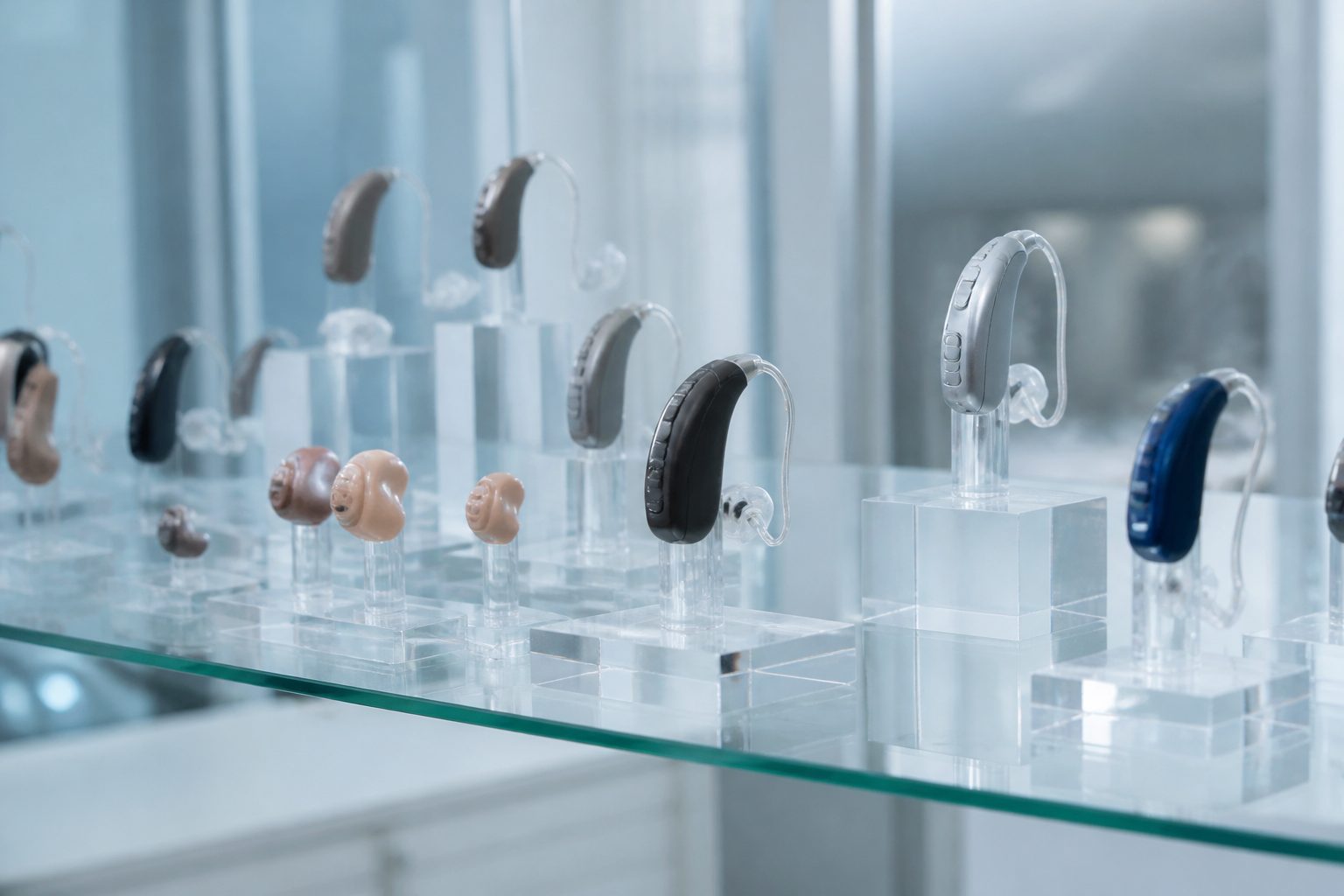
This guide is for patients and families comparing hearing aid brands, technology, and costs. If you’re choosing your first hearing aid or considering an upgrade, expect to spend from $299 up to $3,500 per device depending on the brand, features, and where you buy.
We compare the top 15 hearing aid brands worldwide, including premium and value options. This list covers major manufacturers known for digital innovation, comfort, and support, as well as new direct-to-consumer and over-the-counter (OTC) models that are reshaping access and affordability.
How we chose these
The brands below were selected for their reputation in hearing technology, specialty features (such as rechargeable batteries, Bluetooth, or tinnitus support), global presence, and consistent pricing transparency. Each brand offers a range of models suited to different types and levels of hearing loss, with options for in-person or remote fitting and support. International patients should consider after-sales service and local availability when making a choice.
1. Phonak, Stäfa
Phonak, based in Switzerland, is a leader in advanced digital hearing aids. Their models are known for reliable performance, robust connectivity, and rechargeable options. Phonak offers solutions for mild to profound hearing loss, with a focus on speech clarity and background noise management. They suit users seeking a broad product range and global support network. International buyers benefit from strong distributor networks in Asia, Europe, and the Americas.
Indicative cost: $1,200-$3,500
2. Oticon, Smørum
Oticon is renowned for its BrainHearing technology, which supports the brain’s natural processing of sound. Their discreet, comfortable designs appeal to users who want advanced features without sacrificing aesthetics. Oticon hearing aids are widely available and supported by a global network of audiologists. They are a popular choice for users prioritizing speech understanding in complex environments.
Indicative cost: $1,200-$3,500
3. Widex, Lynge
Widex emphasizes natural sound quality and offers specialized tinnitus management solutions. Their hearing aids are valued for clarity, comfort, and robust wireless connectivity. Widex is a good fit for those with sensitive hearing needs or who require custom sound profiles. The brand is supported in many countries, with a reputation for long battery life and water resistance in select models.
Indicative cost: $1,200-$3,500
4. ReSound, Ballerup
ReSound stands out for seamless smartphone connectivity and rechargeable hearing aid options. Their products integrate with iOS and Android devices, making them appealing to tech-savvy users. International patients can access ReSound through a wide network of clinics, and the company is known for ongoing remote support and app-based adjustments.
Indicative cost: $1,200-$3,500
5. Signia (formerly Siemens Hearing), Erlangen
Signia, from Germany, is known for Own Voice Processing technology, which helps users hear their own voice naturally. Signia offers sleek, modern styles with robust performance in noisy environments. Their hearing aids suit those who want a balance of technology and comfort, and the brand maintains a strong presence in international markets with multilingual support.
Indicative cost: $1,200-$3,500
6. Starkey, Eden Prairie
Starkey’s AI-powered hearing aids offer health tracking and fall detection alongside traditional amplification. Their devices are highly customizable, with options for invisible in-canal models. Starkey is a solid choice for users wanting advanced features and ongoing support, especially in North America, Europe, and Asia-Pacific regions.
Indicative cost: $1,200-$3,500
7. Unitron, Kitchener
Unitron is recognized for flexible technology upgrades, allowing users to adjust performance levels over time. Their hearing aids are comfortable and suitable for a wide range of hearing losses. International patients appreciate Unitron’s focus on service and the ability to trial different technology levels before committing to a purchase.
Indicative cost: $1,200-$3,500
8. Beltone, Glenview
Beltone specializes in personalized fitting and remote care, making it easier for users to access support from home. Their hearing aids are well-suited to older adults or those in regions with limited audiology services. Beltone’s global network ensures aftercare and adjustments are widely available.
Indicative cost: $1,000-$3,000
9. Rexton, Piscataway
Rexton focuses on durable, value-oriented hearing aids. Their products are built for reliability and ease of use, suiting those who need a straightforward, budget-friendly solution. Rexton is popular in clinics and retail chains, especially across the US and parts of Europe and Asia.
Indicative cost: $1,000-$2,500
10. Audibel, Eden Prairie
Audibel offers custom-fit, nearly invisible hearing aids, making them a good choice for users seeking discretion. Their devices are known for comfort and advanced noise reduction. International buyers should check for local distributor support, as aftercare is important for custom-fit models.
Indicative cost: $1,200-$3,500
11. Eargo, San Jose
Eargo provides virtually invisible, rechargeable hearing aids designed for mild to moderate hearing loss. Their direct-to-consumer model allows users to order online, with remote support and teleaudiology services. Eargo is ideal for those who prefer minimal in-person visits and seek a discreet profile.
Indicative cost: $1,450-$2,950
12. MDHearing, Chicago
MDHearing offers affordable hearing aids sold directly to consumers, with prices well below traditional clinic-fitted devices. Their models are simple, reliable, and suitable for mild to moderate hearing loss. MDHearing is a strong option for budget-conscious users or those in areas with limited audiology services.
Indicative cost: $299-$699
13. Lexie, Pretoria
Lexie offers subscription-based, app-controlled hearing aids with a focus on affordability and flexibility. Their monthly plans include remote support and device insurance. Lexie suits users who want predictable costs and remote service, especially in regions where hearing care is less accessible.
Indicative cost: $799-$999
14. Jabra Enhance (formerly Lively), Copenhagen
Jabra Enhance provides online hearing care with Bluetooth streaming and remote adjustments. Their process includes online hearing tests, aftercare, and direct shipping. Jabra Enhance is convenient for tech-literate users who want professional support without clinic visits.
Indicative cost: $1,195-$1,995
15. Sony, Tokyo
Sony’s self-fitting OTC hearing aids are developed in collaboration with WS Audiology. These devices allow users to set up and adjust their hearing aids independently, making them accessible and affordable. Sony is a good fit for those with mild to moderate hearing loss seeking a well-known electronics brand.
Indicative cost: $999-$1,299
| Rank | Hospital | City | Known for | Indicative cost |
|---|---|---|---|---|
| 1 | Phonak | Stäfa | Advanced digital hearing aids, rechargeable models | $1,200-$3,500 |
| 2 | Oticon | Smørum | BrainHearing technology, discreet designs | $1,200-$3,500 |
| 3 | Widex | Lynge | Natural sound processing, tinnitus solutions | $1,200-$3,500 |
| 4 | ReSound | Ballerup | Smartphone connectivity, rechargeable options | $1,200-$3,500 |
| 5 | Signia | Erlangen | Own Voice Processing, sleek styles | $1,200-$3,500 |
| 6 | Starkey | Eden Prairie | AI-powered hearing aids, health tracking | $1,200-$3,500 |
| 7 | Unitron | Kitchener | Flexible technology upgrades, comfort | $1,200-$3,500 |
| 8 | Beltone | Glenview | Personalized fitting, remote care | $1,000-$3,000 |
| 9 | Rexton | Piscataway | Durability, value-focused hearing aids | $1,000-$2,500 |
| 10 | Audibel | Eden Prairie | Custom-fit, invisible hearing aids | $1,200-$3,500 |
| 11 | Eargo | San Jose | Virtually invisible, rechargeable hearing aids | $1,450-$2,950 |
| 12 | MDHearing | Chicago | Affordable direct-to-consumer hearing aids | $299-$699 |
| 13 | Lexie | Pretoria | Subscription-based, app-controlled hearing aids | $799-$999 |
| 14 | Jabra Enhance | Copenhagen | Online hearing care, Bluetooth streaming | $1,195-$1,995 |
| 15 | Sony | Tokyo | Self-fitting OTC hearing aids, collaboration with WS Audiology | $999-$1,299 |
What drives the price of hearing aids
Prices depend on several factors: technology level, customization, local taxes, and the presence of bundled services such as fitting, follow-up, and warranty. Premium models offer advanced noise reduction, Bluetooth streaming, rechargeability, and health tracking, which raise costs. Entry-level and OTC models focus on essential amplification and may not include in-person fitting or extended support, keeping their price lower. In some countries, insurance or government subsidies may reduce out-of-pocket expenses for eligible users.
How to choose the right brand for you
Consider your hearing profile, lifestyle, and support needs. If you have complex hearing loss or need frequent adjustments, brands with strong local clinic networks (Phonak, Oticon, Widex, Signia) are preferable. Tech-savvy users may prefer brands with robust app integration and remote care (ReSound, Jabra Enhance, Lexie). Budget is also key: MDHearing and Lexie offer lower-cost alternatives, while Eargo and Sony provide discreet, self-service options. Always check for local support and warranty coverage, especially if purchasing abroad or online.
What is included—and not included—in the price
The price of a hearing aid package can vary widely depending on the brand, country, and point of purchase, but it is crucial to understand exactly what is and is not included before you commit. Traditional hearing aid purchases from clinics or audiologists typically include the device itself, an initial professional fitting, one or more follow-up adjustment appointments, and a manufacturer’s warranty lasting 1-3 years. In some countries, such as the UK or Australia, public health systems may cover basic models, but private purchases usually follow this structure. Some brands or clinics may also bundle in a starter supply of batteries or a charging unit, cleaning tools, and a carrying case, but these are not always guaranteed.
By contrast, direct-to-consumer and OTC hearing aids—which are becoming more common in the US and parts of Europe—often have a lower upfront cost because they may not include in-person fitting, ongoing follow-up care, or personalized adjustments. This can make them more challenging for first-time users or those with complex hearing loss. Additional costs that are usually not included in the base price are repairs after the warranty period, extended warranty coverage, replacement parts (such as earmolds, domes, or tubes), and software updates. Some clinics may charge for extra follow-up visits or remote support after the first year.
To avoid unexpected expenses, always ask for a detailed breakdown of what is covered in your purchase. Clarify whether aftercare, support, batteries, and accessories are included, and what costs you might incur in the future for repairs or upgrades. This will help you make a fully informed decision and avoid surprises down the line.
Hidden costs to be aware of
When budgeting for hearing aids, it is important to take into account a range of hidden costs that are not always included in the advertised price. Initial hearing evaluations—which are essential for determining your needs—can cost anywhere from $50 to $250, depending on your country and whether you use a public or private clinic. In countries like the US, these tests are often not covered by insurance. Custom earmolds may be necessary for a secure and comfortable fit, especially if you have severe hearing loss or unique ear shapes; these can add $100 to $200 to your bill. For many hearing aids, batteries or rechargeable chargers are sold separately, with annual battery costs ranging from $30 to $100, or a charger costing $50 to $200.
Other ongoing expenses include software updates, cleaning tools, and replacement parts (such as tubes and domes), which can add up over the lifespan of your device. Service fees for follow-up appointments, remote adjustments, or repairs may be charged after the initial warranty period, which typically lasts 1-3 years. If you purchase imported brands, be aware that customs duties and local taxes can significantly increase your total cost—this is especially relevant in countries like India, Brazil, or South Africa. For international patients or those traveling for care, factor in travel, accommodation, and the cost of ongoing support in your home country, as you may need to return for adjustments or repairs. Being aware of these hidden costs can help you plan more effectively and avoid unpleasant surprises.
How to save money safely
There are several practical strategies to reduce your hearing aid expenses while ensuring you get a quality product and reliable support. First, consider reputable direct-to-consumer brands such as Eargo, Lexie, and MDHearing, which bypass traditional clinics and offer lower prices by selling online or in retail stores. These brands often provide remote fitting and support, making them a good option in the US and other countries where OTC hearing aids are regulated. You can also ask clinics about refurbished or demo models, which are typically returned devices that have been professionally cleaned and tested. These can cost 20-40% less than new models and often include a limited warranty.
Be sure to compare package inclusions carefully—some brands bundle batteries, chargers, or follow-up visits, while others charge extra for these essentials. Look out for seasonal promotions, discounts for seniors, or government subsidies (available in countries like the UK, Australia, and parts of Europe). Many providers offer financing or subscription plans that allow you to spread out payments over time, reducing upfront costs. However, always avoid unlicensed sellers, online marketplaces without proper guarantees, or deals that seem too good to be true, as these may not include professional fitting or after-sales support and could risk your hearing health.
Ultimately, investing in a professionally fitted device—even if it costs more initially—often leads to better long-term value, improved satisfaction, and fewer complications. Always verify the seller’s credentials, ask about return policies, and ensure you have access to local support before making a purchase.
Planning your purchase as an international patient
If you are considering purchasing hearing aids abroad, careful planning is essential to ensure a smooth experience and ongoing support. Start by thoroughly researching the warranty terms—some brands offer global warranties, while others restrict coverage to the country of purchase. Confirm whether there are authorized service centers or partner clinics in your home country that can handle repairs, adjustments, or warranty claims. Inquire about the availability of language support at the clinic, as well as options for remote care and teleaudiology services, which can be invaluable if you need follow-up adjustments from afar.
Before traveling, bring a recent audiogram (hearing test results), ideally less than six months old, or be prepared to undergo a new hearing test at your destination clinic—this may incur additional costs. Plan to stay long enough for at least one follow-up visit after your initial fitting, as fine-tuning the device is often necessary for optimal results. Ask the clinic how you can access support once you return home, including remote troubleshooting, software updates, and replacement parts shipping. In countries with strict medical device import regulations, check if you will face customs duties or local taxes on your purchase.
By addressing these practical considerations—warranty, local support, communication, and follow-up care—you can minimize risks and maximize the value of your investment, ensuring your new hearing aids continue to serve you well even after you return home.
Bottom line: which hearing aid brand is best?
Choosing the best hearing aid brand is a highly individualized decision that depends on several key factors: your specific hearing loss profile, personal preferences, budget constraints, and the level of after-sales support you require. Phonak, Oticon, Widex, and Signia consistently rank at the top due to their investment in advanced digital technologies—such as Bluetooth connectivity, rechargeable batteries, and AI-driven noise processing—as well as their extensive global clinic networks. These brands are particularly valued in countries like the US, UK, Germany, and Australia, where access to certified audiologists and service centers is widespread. On the other hand, brands like Eargo, MDHearing, and Lexie have made hearing aids more accessible and affordable, especially in the US, by offering direct-to-consumer and over-the-counter (OTC) options. These models can be purchased online or in retail stores, often at a fraction of the cost of traditional brands, but may offer less personalized fitting or limited in-person support.
When making your decision, it is crucial to prioritize not only the device features but also the quality of professional fitting, the comprehensiveness of the warranty, and the availability of aftercare. These elements can significantly impact your satisfaction and the long-term effectiveness of your hearing aids. For example, a professionally fitted device—even if it costs more upfront—can result in better hearing outcomes and fewer adjustments over time. Always consider your local support options, language needs, and whether the brand provides ongoing remote assistance. Ultimately, the best brand is the one that matches your hearing needs, lifestyle, and support expectations, while fitting within your budget.
Frequently asked questions
How long do hearing aids typically last?
Most hearing aids last 4 to 7 years, depending on the model, usage, and maintenance. Premium brands may offer longer durability and support. Regular cleaning and servicing can extend lifespan. Battery replacement and software updates are needed periodically.
Can I buy hearing aids online safely?
Yes, but only from reputable brands or authorized dealers that provide after-sales service and support. Direct-to-consumer and OTC models are best for mild to moderate hearing loss. Always check for a return policy and warranty before purchasing.
Is a hearing test required before buying?
A professional hearing test is recommended, especially for first-time users or if you have significant hearing loss. Some OTC and online brands offer remote hearing assessments, but in-person testing ensures the most accurate fitting and programming.
Are these brands available in India, Southeast Asia, or the Middle East?
Most major brands have distributors or clinics in India, Southeast Asia, and the Middle East. Availability of specific models and after-sales support can vary, so check with local audiologists or authorized dealers before choosing a brand.
What should I do if my hearing aid needs repair?
Contact the seller or local authorized service center for assessment and repair. Most brands offer a warranty period covering defects. If you bought abroad, check if repairs are supported locally or if shipping is required, which may add time and cost.
Related guides
Disclaimer: Prices are indicative and vary by model, location, and individual needs. Always obtain a written quote and consult a qualified audiologist or hearing care provider before purchasing a hearing aid.