
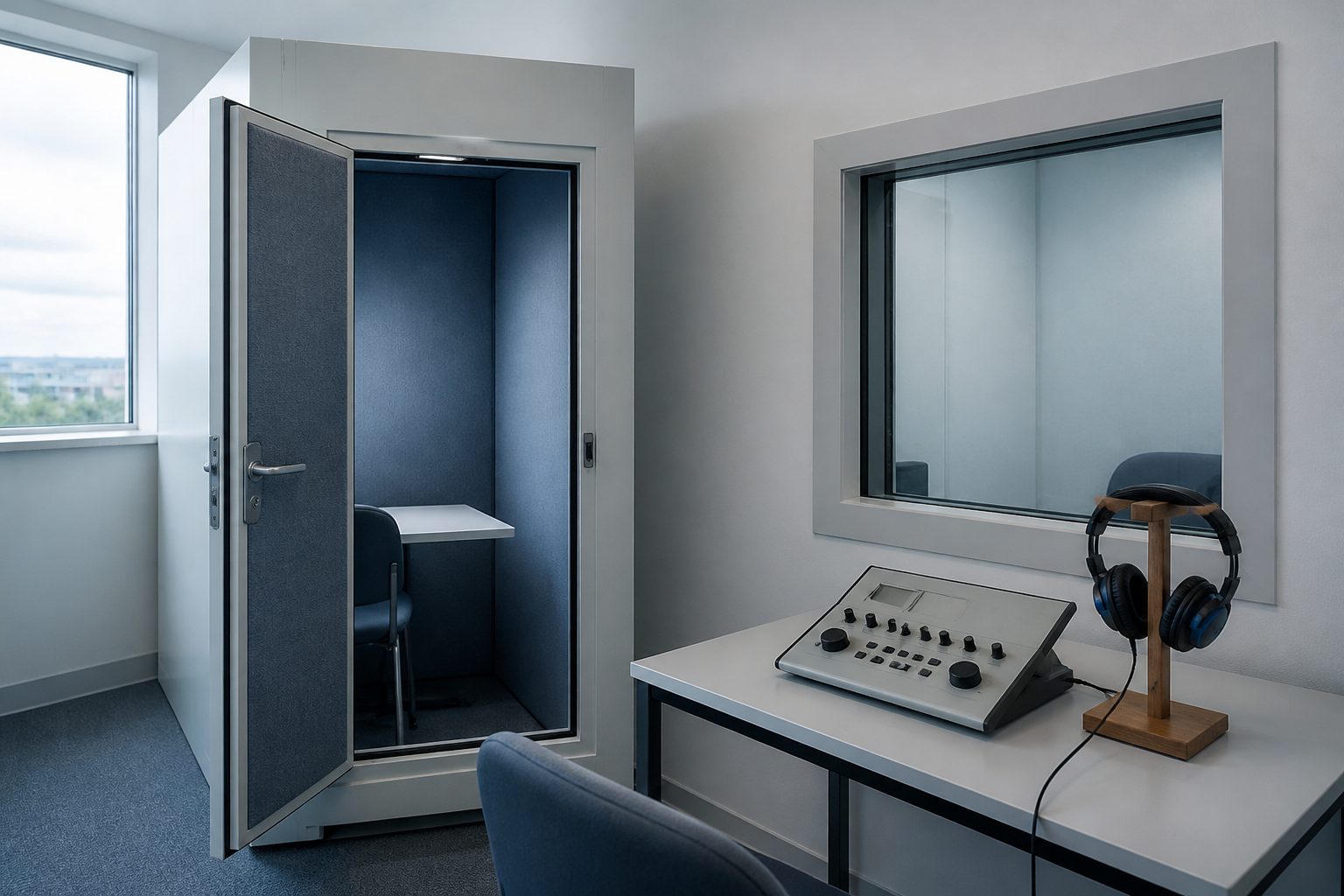
This guide is for anyone considering a hearing test in the USA, Mexico, or the Philippines, whether for themselves or a family member. Hearing tests are widely available in all three countries, but prices and what’s included can differ significantly.
In the USA, a standard hearing test at a private clinic usually costs $60-$250, while in Mexico the range is $30-$80. In the Philippines, you might pay $20-$60. Here’s a detailed comparison to help you plan and budget.
What is a hearing test and what does it include?
A hearing test, also known as audiometry, is a clinical assessment designed to evaluate your ability to hear sounds across a range of frequencies and volumes. The process begins with a consultation, where an audiologist or ENT specialist will take your medical history and discuss any symptoms you’re experiencing, such as difficulty understanding speech, ringing in the ears (tinnitus), or a sensation of fullness.
The core component is pure tone audiometry, during which you’ll wear headphones and listen for a series of beeps or tones at various pitches and loudness levels. You signal each time you hear a sound, allowing the specialist to chart your hearing thresholds. Speech audiometry is often conducted next, testing your ability to recognize and repeat spoken words at different volumes—a key measure for real-world hearing challenges.
Depending on your symptoms, the clinic, and the country, additional tests may be offered. Tympanometry checks how well your eardrum and middle ear are functioning, which is important for diagnosing issues like fluid buildup or Eustachian tube dysfunction. Otoacoustic emissions (OAEs) assess the health of the inner ear (cochlea) and are particularly useful for children or those who cannot respond to standard tests. In some cases, especially if neurological issues are suspected, an auditory brainstem response (ABR/BERA) test may be performed to evaluate how your brain processes sound.
- Initial consultation with a qualified audiologist or ENT doctor
- Pure tone audiometry (beeps/tones via headphones)
- Speech audiometry (word recognition and understanding)
- Discussion of results and recommendations for next steps
Some clinics in the USA, Mexico, and the Philippines may bundle tympanometry or OAEs into a comprehensive package, while others charge separately. Always confirm what is included in the price before booking, especially if you have complex hearing concerns or are seeking a report for insurance or hearing aid fitting.
Hearing test prices compared: USA, Mexico, Philippines
The cost of a hearing test can vary by clinic type, location, and whether you’re seeing an ENT specialist or an audiologist. Below is a summary table comparing typical prices for a standard hearing test (pure tone and speech audiometry) in each country. Prices are for private sector clinics and hospitals, as public sector tests may be subsidized or free for citizens.
| Country | Typical price (USD) | Local currency | What’s included | Common add-ons |
|---|---|---|---|---|
| USA | $60-$250 | USD | Consult + pure tone + speech audiometry | Tympanometry ($30-$90), OAEs ($40-$120) |
| Mexico | $30-$80 | MXN 520-1,400 | Consult + pure tone + speech audiometry | Tympanometry ($15-$35), OAEs ($20-$50) |
| Philippines | $20-$60 | PHP 1,100-3,300 | Consult + pure tone + speech audiometry | Tympanometry ($8-$25), OAEs ($12-$35) |
What drives the price of a hearing test?
Several factors influence the cost of a hearing test:
- Clinic or hospital type: Large hospitals and specialty ENT centers tend to charge more than small clinics or hearing aid retailers. Accredited hospitals (such as JCI or NABH) may have higher fees.
- Location: Urban clinics, especially in major cities like New York, Los Angeles, Mexico City, or Manila, are often more expensive than those in smaller towns.
- Provider qualification: Tests performed by ENT specialists (doctors) often cost more than those done by certified audiologists or hearing aid dispensers.
- Test complexity: A basic hearing screen is cheaper than a full diagnostic workup. Adding tympanometry, OAEs, or other tests increases the price.
- Package deals: Some clinics bundle the hearing test cost with a consultation, while others charge separately for each component.
Insurance coverage can also affect out-of-pocket costs, especially in the USA. In Mexico and the Philippines, most international patients pay directly.
What’s included and what’s not
When you see a hearing test advertised at a particular price, it’s important to know exactly what you’re paying for. A standard package in most countries typically includes an initial consultation with an audiologist or ENT specialist, pure tone audiometry (testing your ability to hear different pitches through headphones), and speech audiometry (assessing your ability to recognize spoken words at various volumes). These tests form the core of a basic hearing assessment and are often sufficient to diagnose common hearing issues.
However, many clinics do not include several important services in their base price. For example, advanced diagnostic tests such as tympanometry (which checks the health of your middle ear), otoacoustic emissions (OAEs, for inner ear function), or auditory brainstem response (ABR/BERA) are usually considered add-ons and carry additional fees. Ear cleaning or de-waxing—sometimes necessary before the test for accurate results—can also add to your bill, especially in the USA where this can cost $30-$80. In Mexico and the Philippines, the cost is generally lower but still not always included.
Follow-up consultations, detailed written reports (especially those required for insurance or hearing aid prescriptions), and the cost of hearing aids themselves are almost always separate. The hearing aid fitting process, device cost, and aftercare can be several times the price of the initial test. To avoid surprises, always ask the clinic for a detailed breakdown of what’s included, what’s not, and the potential costs of any additional services you might need. This is especially important if you are traveling internationally for care, as package inclusions can vary widely between countries and even between clinics in the same city.
Hidden costs and add-ons
While the advertised price for a hearing test might seem straightforward, there are several potential hidden costs and optional add-ons that can impact your final bill. Understanding these extras is crucial for budgeting, especially if you’re comparing clinics across countries or planning medical travel.
- Ear cleaning or de-waxing: If your ears contain wax or debris that could interfere with testing, the clinic may require cleaning before proceeding. In the USA, this can cost an additional $20 to $80, depending on whether it’s done by a nurse, audiologist, or ENT doctor. In Mexico and the Philippines, ear cleaning is typically less expensive, ranging from $5 to $25, but is rarely included in the basic test fee.
- Specialist consultation: If your initial results suggest a medical issue, or if you have a complex history, you may be referred to an ENT specialist. This adds $40-$120 in the USA, $15-$40 in Mexico, and $10-$30 in the Philippines to your costs. Some clinics bundle this with the test, but many do not.
- Retesting: If your results are inconclusive or if you need a follow-up after treatment (such as after removing earwax or treating an infection), clinics may charge a reduced or full rate for retesting. Always ask about their retesting policy in advance.
- Detailed reports for insurance or hearing aid reimbursement: Some clinics charge extra for comprehensive, signed reports required by insurance companies or for hearing aid fitting. Fees for these reports can range from $10 to $50, depending on the clinic and country.
For international patients, additional costs like travel, accommodation, and translation services should also be considered, as these are not included in the clinic’s bill. In some countries, there may also be taxes or government fees applied to medical services. To avoid surprises, always request a detailed written estimate before your appointment and clarify which services are considered optional add-ons versus required for a complete assessment.
How to save money safely on hearing tests
There are ways to lower the cost of a hearing test without compromising on quality:
- Shop around: Contact several clinics for their prices and what’s included. In some countries, large hospitals may charge more than independent audiologists for the same service.
- Check for packages: Some clinics offer hearing test packages that include consultation and all standard tests for a set price.
- Consider university clinics: Teaching hospitals and university clinics sometimes offer discounted rates, especially in Mexico and the Philippines.
- Public sector options: Citizens and residents may be eligible for free or heavily subsidized hearing tests at public hospitals. International patients usually pay the private rate.
- Ask about tele-audiology: Some clinics now offer remote consultations and screening tests, which can be cheaper, though full diagnostics must be done in person.
Be wary of very low-cost providers that don’t offer a formal report or use outdated equipment. Always confirm the qualifications of the audiologist or ENT specialist.
How to choose a clinic for your hearing test
Selecting the right clinic for your hearing test is crucial for both the accuracy of your results and your overall experience. Start by checking the clinic’s accreditation. In the USA, reputable clinics are often accredited by bodies such as the American Speech-Language-Hearing Association (ASHA) or the Joint Commission (JCI). In Mexico, look for certification from the Mexican Council of Audiology, Phoniatrics and Otoneurology (CMAPO) or international accreditations. The Philippines’ Department of Health (DOH) accredits major hospitals and some clinics, while international hospitals often have JCI accreditation as well.
- Specialist availability: If you have a history of ear infections, surgery, or sudden hearing loss, it’s best to choose a clinic that offers both audiologists and ENT (ear, nose, and throat) specialists. This ensures you can get immediate medical advice if your hearing loss is due to a medical condition.
- Modern equipment: Accurate hearing test results depend on well-maintained, calibrated audiometry equipment. Ask how often the clinic’s devices are checked and whether they use digital or analog systems. In urban centers in all three countries, modern equipment is the norm, but rural or budget clinics may lag behind.
- Language and communication: For international patients, especially in Mexico and the Philippines, confirm that the clinic has English-speaking staff or offers interpreter services. Clear communication is essential for understanding your results and recommendations.
- Comprehensive reports: If you need documentation for insurance claims or hearing aid fitting, verify that the clinic provides detailed, signed reports as part of the service or for a reasonable fee.
Finally, review recent patient feedback online or through expat forums, focusing on clinics with a track record of serving international patients and positive outcomes. If possible, contact the clinic in advance to ask about appointment availability, average wait times, and any specific needs you may have. Taking these steps will help ensure a smooth, reliable, and cost-effective hearing test experience, whether you’re at home or abroad.
Planning your visit: practical tips
To make your hearing test visit as smooth as possible, keep these points in mind:
- Book in advance: Some clinics, especially in major cities, can be busy. Booking ahead ensures you get your preferred slot.
- Bring medical records: Previous hearing test results, ENT reports, and a list of current medications can help the audiologist interpret your test more accurately.
- Avoid loud noise: Avoid exposure to loud sounds for at least 16 hours before your test, as this can temporarily affect your hearing.
- Ear cleaning: If you are prone to ear wax, consider having your ears checked and cleaned by a doctor a few days before your appointment.
- Payment: Most clinics accept cash and cards. In Mexico and the Philippines, international cards may not always be accepted, so check in advance.
If you are combining your hearing test with travel for other medical or dental care, coordinate appointments to minimize travel and waiting times.
Bottom line: what to expect
When considering a hearing test, it’s important to understand that the experience and costs can vary significantly depending on where you go. In Mexico and the Philippines, hearing tests are widely accessible at both urban and provincial clinics, with entry-level prices typically starting between $20 and $30 USD. These prices often reflect basic audiometry services at private clinics or public hospitals. In major cities such as Manila or Mexico City, you may find slightly higher prices at international hospitals or clinics catering to expats, but overall, the cost remains relatively low compared to the United States.
In the USA, hearing tests are more expensive, especially if you visit private audiology clinics or ENT specialists. Prices can range from $60 to $250 or more for a comprehensive evaluation. However, many Americans may have partial or full coverage through health insurance, Medicare, or Medicaid, especially if referred by a primary care physician. It’s crucial to check with your insurer before scheduling, as some plans only cover tests if medically necessary or performed by in-network providers.
Regardless of country, always clarify what is included in the quoted price. Some clinics may advertise low prices but add fees for consultation, ear cleaning, or additional tests. Ask for a written quote and verify the credentials of the provider—look for licensed audiologists or ENT doctors. A professional, thorough hearing test is a critical first step if you suspect hearing loss, experience ringing in your ears, or are considering hearing aids. Taking these steps helps you avoid unexpected costs and ensures you receive an accurate diagnosis and appropriate recommendations for your hearing health.
Frequently asked questions
How long does a hearing test take?
A standard hearing test usually takes 20 to 40 minutes, including consultation and both pure tone and speech audiometry. If additional tests are needed, allow extra time. Results are often available immediately.
Is the hearing test painful or uncomfortable?
No, a hearing test is non-invasive and painless. You wear headphones and listen to sounds or words. If you need ear cleaning first, that may be mildly uncomfortable, but the test itself is not.
Can I get a hearing test without a doctor’s referral?
In all three countries, you can usually book a hearing test directly with an audiologist or clinic without a referral. Some hospitals may require a referral for insurance purposes in the USA.
Will my insurance cover the hearing test?
In the USA, some insurance plans cover hearing tests if medically necessary, but coverage varies. In Mexico and the Philippines, most international patients pay out of pocket. Always check in advance.
How soon can I get hearing aids after the test?
If you need hearing aids, you can usually be fitted within a few days to a week after your test. Some clinics offer same-day fitting, while others may need to order devices based on your results.
Related guides
Disclaimer: Prices in this guide are indicative and may vary by clinic, location, and individual circumstances. Always request a written quote from your chosen provider and consult a qualified medical professional for personal advice.