
This guide compares hearing aid prices in India, Indonesia, and the USA, focusing on what patients and families can expect to pay, what’s included, and key factors that drive costs. If you’re considering purchasing hearing aids abroad or at home, this article provides practical information to help you budget and plan.
In India, hearing aids typically cost $200–$2,500 per device, while in Indonesia prices average $250–$2,800. In the USA, expect to pay $1,000–$6,000 per device. These ranges reflect differences in technology, brand, and service packages.
What is included in hearing aid prices
The price you pay for hearing aids usually covers much more than just the physical device. Most reputable providers bundle several essential services into the advertised price to ensure you get the best possible outcome from your investment. Typically, this includes an initial hearing assessment by a qualified audiologist or ENT specialist, which helps determine the degree and type of hearing loss and guides the selection of the most appropriate device. The fitting session is also included, where the hearing aid is programmed to match your specific hearing profile, and you receive instructions on how to use, clean, and maintain the device.
Warranty coverage is a standard inclusion, though the duration and scope can vary by country and provider. In the USA, warranties and aftercare periods tend to be longer—sometimes up to three years—and may include free repairs, loss and damage protection, and several follow-up visits for adjustments or reprogramming. Some clinics even offer trial periods or money-back guarantees, allowing you to test the device in real-life situations before committing. In India and Indonesia, aftercare is typically included for the first year, with additional service packages available for purchase if you want extended support. These packages may cover future adjustments, device cleaning, and minor repairs.
It’s important to note that some items are optional or may incur extra charges, depending on the provider. These can include batteries (for non-rechargeable models), wireless accessories like TV streamers or remote controls, extended warranties, and insurance against loss or accidental damage. Always ask for a detailed, itemized quote that lists every component and service included in the price. This will help you compare offers accurately and avoid unexpected expenses after your purchase. Understanding exactly what is bundled into the price ensures you receive comprehensive care and value for your investment.
Hearing aid types and technology levels
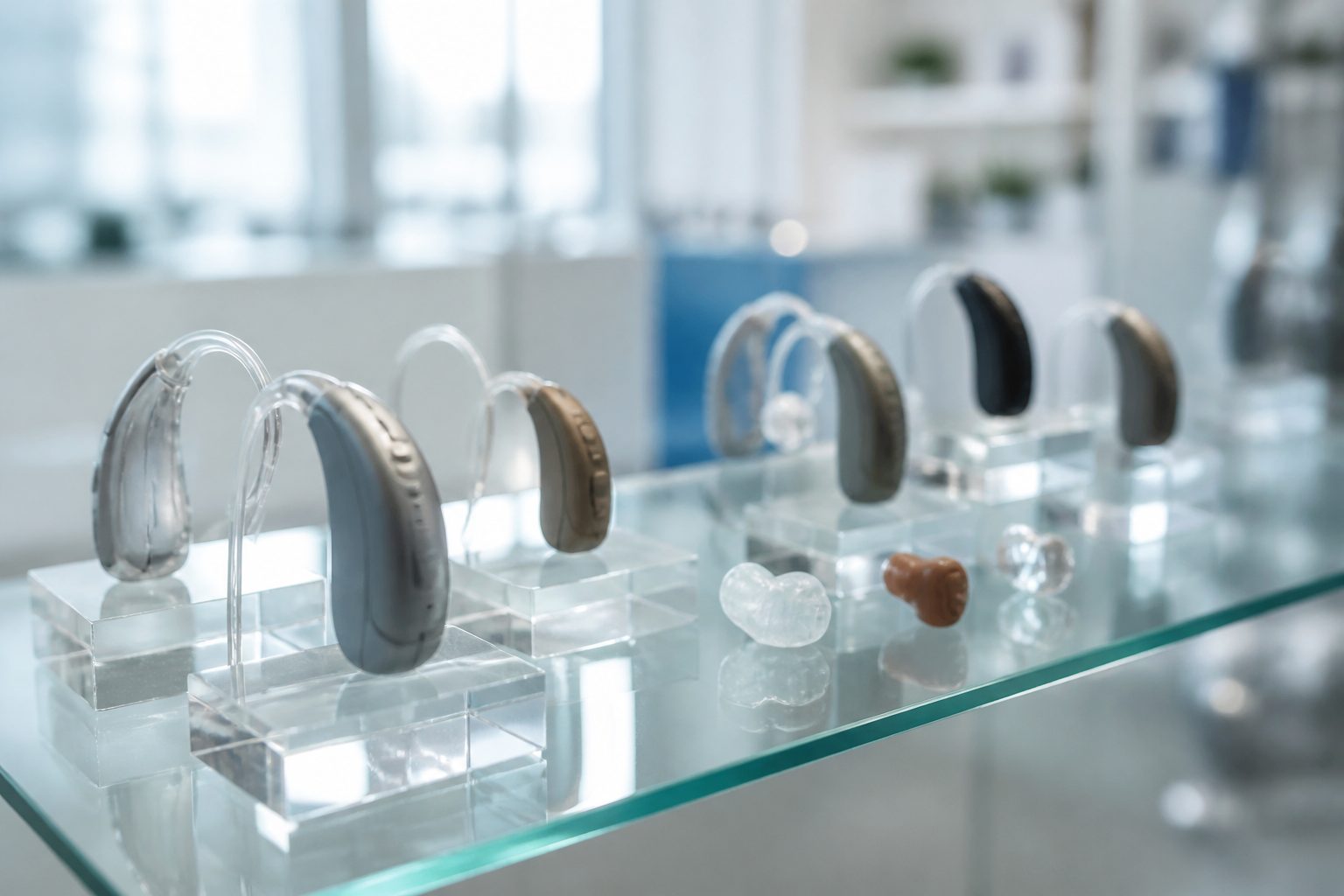
Hearing aids are available in a variety of styles and technological sophistication, each affecting comfort, performance, and price. The main types include behind-the-ear (BTE), receiver-in-canal (RIC), in-the-ear (ITE), and completely-in-canal (CIC) devices. BTE models are larger, sit behind the ear, and are often more durable and suitable for severe hearing loss, making them a common choice for children and older adults. RIC devices are smaller and more discreet, with a speaker placed inside the ear canal, offering a balance between subtle appearance and powerful amplification. ITE and CIC styles are custom-molded to fit inside the ear, with CIC being the most invisible but also the most limited in terms of battery life and features due to their tiny size.
Technology levels range from basic to premium. Basic models typically provide simple sound amplification with minimal customization and few features beyond volume control. Mid-range devices add some noise filtering and basic directional microphones. Advanced and premium hearing aids, which are increasingly in demand in India, Indonesia, and the USA, offer features such as adaptive directional microphones, sophisticated background noise reduction, Bluetooth connectivity for streaming audio from smartphones or televisions, rechargeability, and integration with smartphone apps for remote control and fine-tuning. Some premium models even include artificial intelligence features that learn and adapt to your listening preferences over time.
In India and Indonesia, international brands like Phonak, Widex, Siemens, and Oticon are widely available, often at higher prices due to import taxes and distribution costs. Local brands may offer more affordable options, though often with fewer high-end features or shorter warranties. In the USA, the same global brands are present, but there is generally quicker access to the latest product releases, and the market is seeing a rise in direct-to-consumer and over-the-counter (OTC) models, which can be a cost-effective alternative for those with mild to moderate hearing loss. Remember, the more discreet and technologically advanced the device, the higher the price, so it’s important to balance desired features with your budget and lifestyle needs.
Comparing hearing aid prices: India, Indonesia, USA
The table below compares typical price ranges for hearing aids in India, Indonesia, and the USA, covering the most common technology levels. Prices are per device and do not include cochlear implants or bone-anchored hearing devices.
| Country | Basic model | Mid-range | Advanced/Premium | Typical Inclusions |
|---|---|---|---|---|
| India | $200–$600 (₹17,000–₹50,000) | $700–$1,500 (₹58,000–₹1.25 lakh) | $1,600–$2,500 (₹1.3–2.1 lakh) | Assessment, fitting, 1-year aftercare |
| Indonesia | $250–$700 (Rp 3.9–11 million) | $750–$1,700 (Rp 11.8–26.7 million) | $1,800–$2,800 (Rp 28–43.9 million) | Assessment, fitting, 6–12 months aftercare |
| USA | $1,000–$2,000 | $2,100–$4,000 | $4,100–$6,000 | Assessment, fitting, 1–3 years aftercare, trial |
What drives the price of hearing aids
The final cost of hearing aids is determined by a complex interplay of several factors, each contributing to the overall price tag. The first and most significant factor is the technology level. Basic models are designed solely for simple amplification and can be relatively affordable, but as you move up to advanced and premium devices, prices increase sharply due to added features such as adaptive noise cancellation, multiple listening programs, Bluetooth streaming, rechargeable batteries, and smartphone compatibility. These advanced features require sophisticated microprocessors and software, which add to manufacturing costs.
Brand reputation and origin also play a major role. Imported brands, especially those from Europe or the USA, tend to be more expensive in India and Indonesia due to import duties, taxes, and higher distribution costs. Local or generic brands may cost less, but they might not offer the same level of durability, aftercare, or advanced technology. In the USA, hearing aid prices are generally higher overall, reflecting not only the latest technology but also the cost of bundled professional services such as hearing tests, custom fitting, and ongoing support, as well as higher regulatory and administrative overheads.
The point of purchase also affects price. Clinics and hospitals located in major urban centers, or those with a strong reputation for specialized ENT or audiology care, often charge more than smaller, independent clinics or rural providers. This is partly due to higher operating costs, but also because they may offer more comprehensive aftercare, access to a wider range of devices, and better-trained staff. Additional bundled services—such as extended aftercare, extra batteries, cleaning tools, or accessories—can further increase the total cost. In some cases, providers may offer package deals, but always check what is included so you can compare offers accurately. Ultimately, understanding these cost drivers helps you make informed decisions and avoid unnecessary expenses.
Hidden costs and extra charges
When comparing hearing aid prices, consider possible extra charges. Not all providers include the initial hearing assessment in the advertised price, especially for lower-cost packages in India and Indonesia. Custom earmolds, if needed, usually cost extra ($20–$80 per mold in India and Indonesia; $60–$150 in the USA). Extended warranties and loss/damage insurance are additional, and are more commonly offered in the USA.
Batteries for non-rechargeable models are rarely included beyond an initial starter pack. Accessories like wireless microphones, remote controls, or TV streamers are sold separately and can add $100–$500 per item. After the first year, follow-up visits or reprogramming may be charged per visit, especially in India and Indonesia. Always check what is, and is not, covered in the package you select.
How to save safely on hearing aids
While hearing aids represent a significant financial commitment, there are several strategies you can use to reduce costs without sacrificing quality or necessary features. In India and Indonesia, one of the most effective ways to save is to consider reputable local brands or previous-year models from established international manufacturers. These models may lack the very latest features but still offer reliable performance at a much lower price. Many clinics also provide discounts for purchasing two hearing aids at once (binaural fitting), which is often recommended for balanced hearing. Additionally, keep an eye out for promotional periods, such as festival sales or health awareness campaigns, when clinics may offer reduced prices or free accessories.
In the USA, the hearing aid market has evolved rapidly with the introduction of direct-to-consumer brands and over-the-counter (OTC) hearing aids. These options, which are often available online or at major retailers, can cost anywhere from $300 to $2,000 per pair, significantly less than traditional clinic-fitted devices. However, these products are best suited for individuals with mild to moderate hearing loss and may not come with professional fitting or aftercare services. If you choose this route, it’s important to ensure that the provider offers remote support, adjustment services, or a clear return and warranty policy. Some companies partner with local audiologists for an additional fee, providing a hybrid model of care.
Regardless of where you live, always avoid buying hearing aids from unverified sources, such as unauthorized online listings or informal sellers, as these may lack warranties, after-sales support, or even be counterfeit. Before making a purchase, request a detailed quote and compare what each provider includes in the price—such as follow-up visits, batteries, and accessories. If cost is a major concern, inquire about financing plans, installment payments, or insurance coverage, where available. Taking these precautions allows you to save money while ensuring you still receive a quality product and reliable support.
How to choose a hearing aid provider
Choosing the right hearing aid provider is a crucial step to ensure that you receive quality care and the best possible outcome for your hearing health. Start by seeking out clinics, hospitals, or hearing centers that employ qualified audiologists or ENT (Ear, Nose, and Throat) specialists, as these professionals are trained to assess your hearing needs and recommend suitable solutions. In countries like India and Indonesia, the presence of international accreditations such as Joint Commission International (JCI) or National Accreditation Board for Hospitals & Healthcare Providers (NABH) in India is a strong indicator of adherence to global standards of care and safety. Larger ENT hospitals or specialty centers are more likely to have advanced diagnostic tools, a wider selection of hearing aid brands, and experienced staff familiar with complex hearing conditions.
It is important to evaluate the range of products and services offered. A reputable provider should carry multiple brands and models, giving you the flexibility to choose based on your budget and preferences. Ask whether they have in-house repair facilities, as well as on-site aftercare services like device cleaning, adjustments, and programming. The availability of these services can save you time and money in the long run, especially if you require frequent support. Inquire about trial periods, which allow you to test the hearing aids in your daily environment before making a final commitment. Also, clarify the terms of warranty coverage, including what is covered (parts, labor, loss, or damage) and the duration.
For international patients or those who are not fluent in the local language, look for clinics that offer patient coordinators or English-language support. This can be particularly helpful in India and Indonesia, where language barriers might otherwise complicate communication. Reading recent patient reviews, checking online ratings, and requesting direct references from the clinic can provide insight into the provider’s reputation for transparency, customer service, and ethical practices. Finally, ask for a written, itemized quote and ensure you understand all costs involved, including future expenses for follow-up visits, batteries, or accessories. Taking these practical steps will help you make an informed choice and avoid unexpected costs or disappointments.
Planning your hearing aid purchase or treatment abroad
If you are considering medical travel for hearing aids, start by obtaining a recent hearing test result in your home country. This can speed up the process and ensure accurate fitting abroad. Contact clinics in advance to request detailed quotes and clarify what is included in the price. If possible, schedule at least two visits: one for assessment and fitting, and another for follow-up adjustment a few days later.
Plan for a stay of at least 3–5 days for the full process. If you are traveling with a companion, ask about accommodation options and clinic location. Check if your preferred brand and model are available locally, especially if you require specific features. Consider travel insurance that covers medical devices and check customs regulations for importing hearing aids or batteries.
Frequently asked questions
How long do hearing aids typically last?
Most hearing aids last 4–6 years with proper care. The lifespan depends on the device type, usage, and maintenance. Rechargeable batteries may need replacement after a few years. Regular servicing and cleaning help extend device life.
Are hearing aids covered by insurance in these countries?
In India and Indonesia, insurance rarely covers hearing aids except in select corporate or government plans. In the USA, some private insurers and Medicare Advantage plans offer partial coverage. Always check your policy for details.
Can I use hearing aids purchased abroad in my home country?
Yes, most modern hearing aids can be serviced internationally, especially from major brands. However, warranty coverage may be limited outside the country of purchase. Verify local support before buying abroad.
How soon can I receive my hearing aids after ordering?
Standard models are often available within 1–3 days in India and Indonesia. Custom or premium models may take up to 2 weeks. In the USA, most clinics deliver within 1–2 weeks. Always ask about expected delivery times.
What should I bring to my hearing aid fitting appointment?
Bring your latest hearing test results, a list of current medications, and information about your lifestyle and hearing needs. This helps the audiologist recommend a suitable device and ensures a smooth fitting process.
Related guides
Disclaimer: Prices and information in this article are indicative and can vary by individual case, provider, and location. Always obtain a written quote and consult a qualified audiologist or ENT specialist before making any medical or financial decisions.